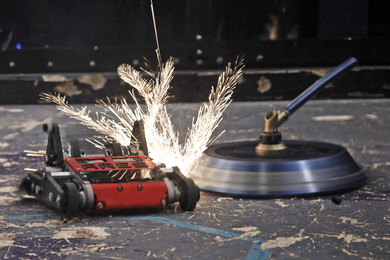
Dream, build, destroy, repeat
Members of the student-run MIT Combat Robotics Club learn through destruction.
Members of the student-run MIT Combat Robotics Club learn through destruction.
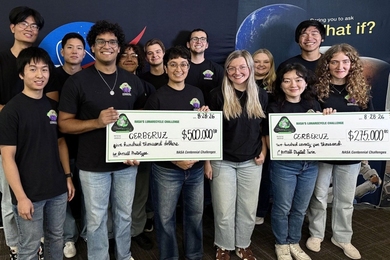
The team took first prize in both the Prototype and Digital Twin tracks for its lunar waste recycling system.
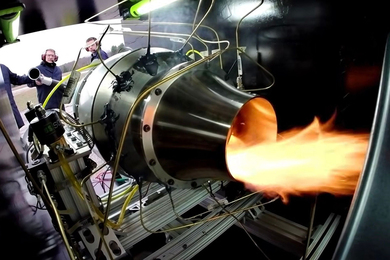
MIT students designed, built, and tested a jet engine with AI copilots, assessing AI’s usefulness in developing high-performance aerospace systems.
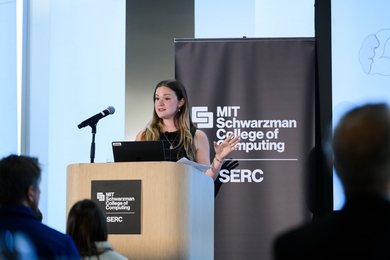
PhD student Rachel Sava, winner of the Envisioning the Future of Computing Prize, explores transformative improvements and dystopian risks of neural technology.
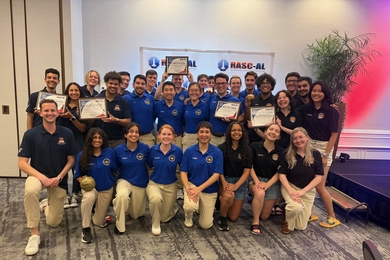
Three MIT teams took five top awards in the 2026 NASA RASC-AL Competition for designing critical elements for the moon base and future missions to Mars.
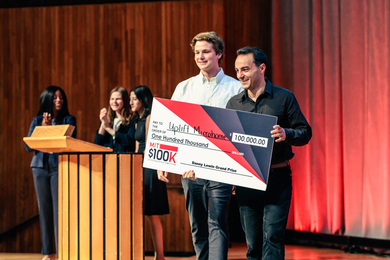
Uplift Microhome’s modular housing units can provide their own power and water, for faster deployments.
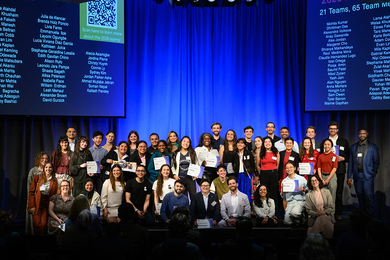
At the 25th IDEAS Social Innovation Incubator Showcase and Awards, 21 student-led ventures joined 1,200 alumni-led ventures tackling the world’s most pressing problems through social entrepreneurship.
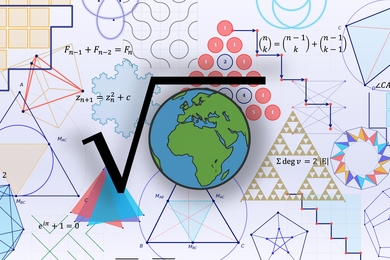
New dataset of 30,000-plus competition math problems from 47 countries gives AI researchers a harder test — and students worldwide a better training ground.
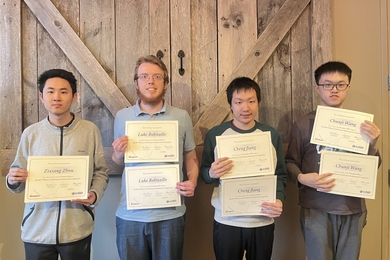
The undergraduate team topped the scoreboard for the sixth year in a row and also took the Elizabeth Lowell Putnam Prize again.
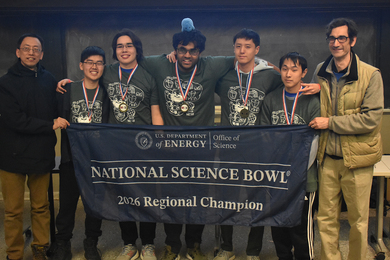
At a daylong science competition, high school students gathered from across New England to test their science knowledge for a shot at nationals in Washington.
Offering substantial prize funding alongside workshops, classes, and mentorship, the initiative helps translate early-stage biotech research into venture-ready innovation.
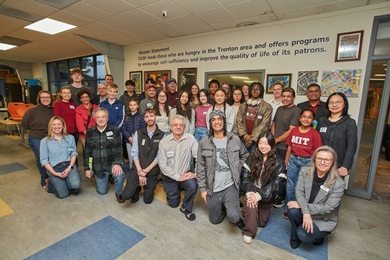
The PKG Center is commemorating 25 years of the IDEAS Social Innovation Challenge with regional student-alumni hackathons for social impact.
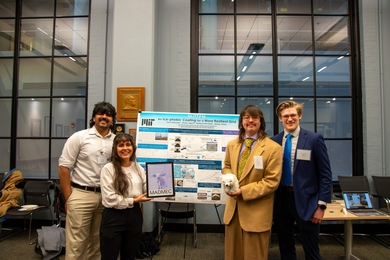
Placing first in the MADMEC innovation contest, the MITten team aims to curb costly power outages during winter storms.
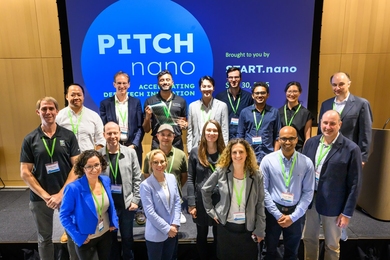
Twelve START.nano companies competed for the grand prize of nanoBucks to be used at MIT.nano’s facilities.

The winning essay of the Envisioning the Future of Computing Prize puts health care disparities at the forefront.