
The effects of an “algorithmic monoculture” depend on the details
In a study focusing on hiring decisions, MIT researchers found the use of a single algorithm by many firms could benefit job seekers in certain situations.
In a study focusing on hiring decisions, MIT researchers found the use of a single algorithm by many firms could benefit job seekers in certain situations.
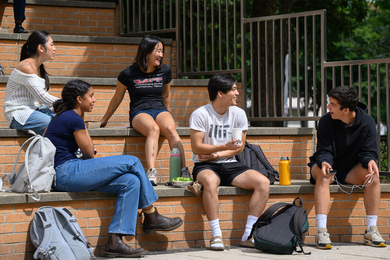
The Institute’s undergraduate engineering, computer science, and economics programs are No. 1; its business program is No. 2.
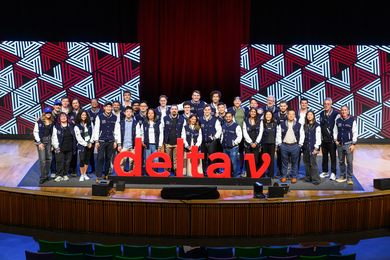
The event featured ventures solving problems in manufacturing, cybersecurity, health care spending, and more.
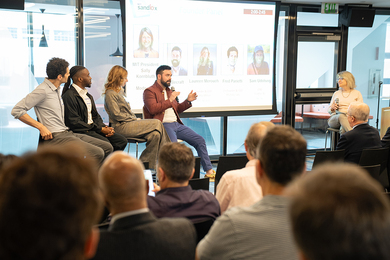
Through a decade of non-dilutive funding, hands-on mentorship, and a safe space to fail fast, the MIT Sandbox Innovation Fund Program has helped students translate curiosity into real-world impact.
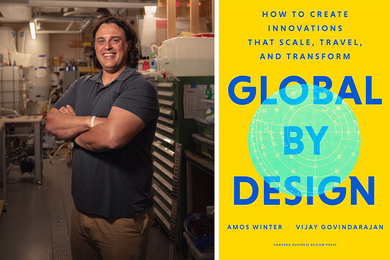
A new book coauthored by Professor Amos Winter asserts that, to solve major challenges and deliver products of value to consumers in both developed and emerging markets, innovators must think and act globally.
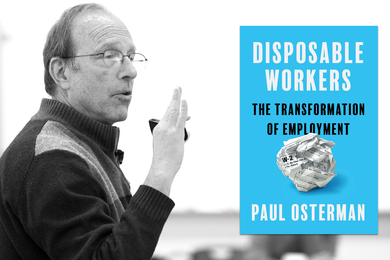
In a new book, Paul Osterman details his research finding more than one-third of the country’s workers are “disposable,” with little security or chance of job advancement.
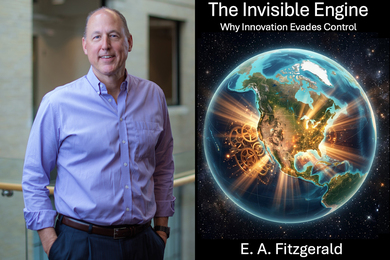
In his latest book, Professor Eugene Fitzgerald examines the forces that turn breakthroughs into value — and why innovation resists simple formulas.
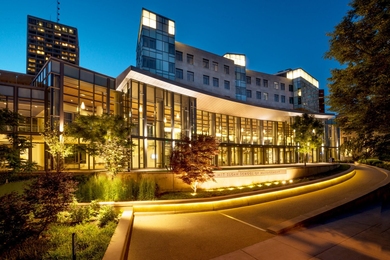
Dean Richard Locke discusses a new program that expands access for working professionals while deepening connections to Greater Boston’s innovation economy.
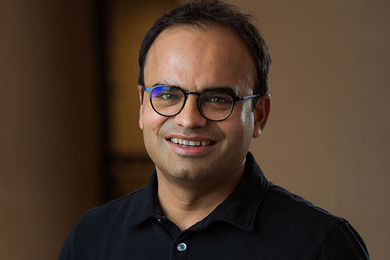
Through research and entrepreneurship, Professor Devavrat Shah is helping to design methods that can handle constant decision-making using limited computational resources.
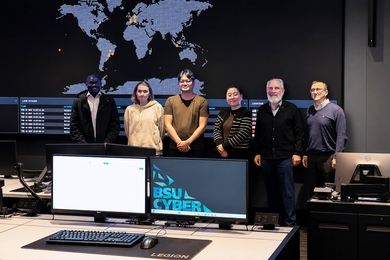
Students from the MIT Cybersecurity Clinic help local governments and other vulnerable organizations defend against digital threats.
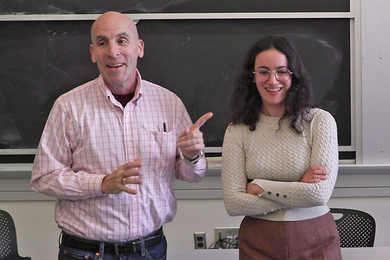
An MIT mechanical engineering course explores entrepreneurship through lessons and stories shared by alumni startup founders.
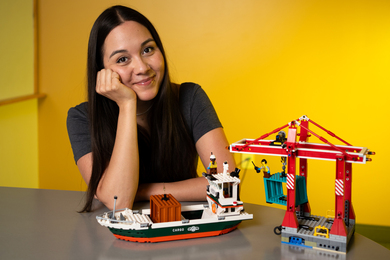
PhD student Chelsea Mitchell studies the economic forces that shape shipping ports and their ability to support global supply chains.
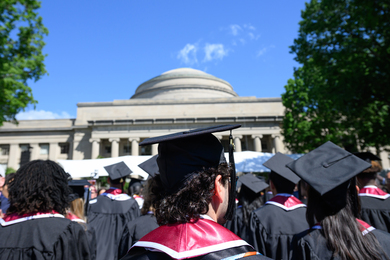
Ranking at the top for the 15th year in a row, the Institute also places first in 12 subject areas.

The new ChartNet training dataset could improve the accuracy of vision-language models that help analyze business trends or interpret scientific figures.
The MBA student and entrepreneur is learning to lead a more resilient future with her renewable energy company.