
The effects of an “algorithmic monoculture” depend on the details
In a study focusing on hiring decisions, MIT researchers found the use of a single algorithm by many firms could benefit job seekers in certain situations.
In a study focusing on hiring decisions, MIT researchers found the use of a single algorithm by many firms could benefit job seekers in certain situations.

The “HardFlow” algorithm could help generative AI models produce high-quality outputs that obey strict requirements when “pretty close” doesn’t cut it.
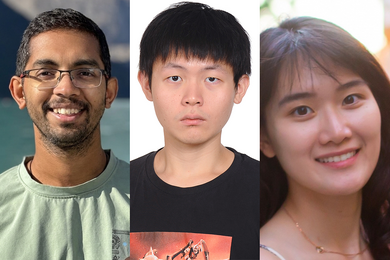
MIT affiliates engage with the MIT-IBM Computing Research Lab to bring rigorous theory to production systems.
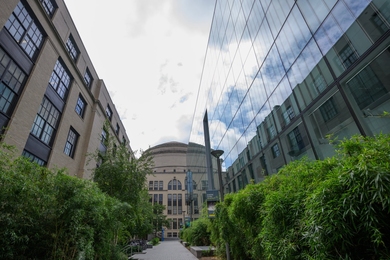
The Institute welcomes its first cohort of QMIT Fellows this fall to advance interdisciplinary quantum research.

A new algorithm learns to anticipate the unprecedented scenarios that critical infrastructure and global supply chains are least prepared for.

The new framework could streamline the design process of robotic grippers or aerospace components that exhibit complex behaviors found in nature.
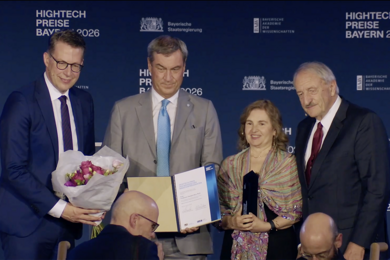
Director of CSAIL and MIT professor honored for her contributions to robotics, artificial intelligence, and autonomous systems.
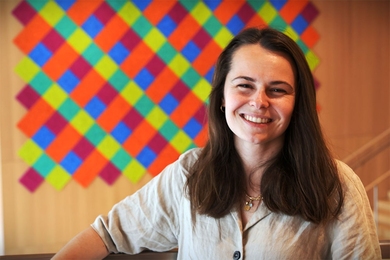
Assistant Professor Bailey Flanigan has arrived at complex computational methods for helping democracy thrive.

Researchers developed an automated framework that helps AI models generate CAD programs more accurately and efficiently.
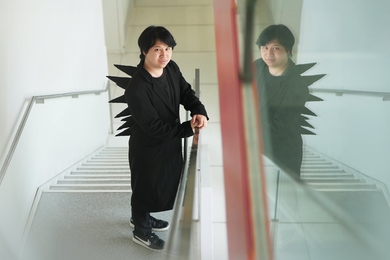
Assistant Professor Pat Pataranutaporn describes a new interface that lets everyday users glimpse inside an AI's neural network before their chatbot ever says a word.
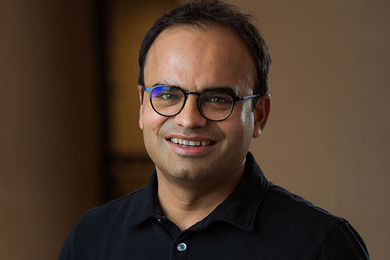
Through research and entrepreneurship, Professor Devavrat Shah is helping to design methods that can handle constant decision-making using limited computational resources.

Researchers developed an auditing technique to test generative AI models for malicious capabilities, without prompting them for illegal outputs.

Computer scientist Phillip Isola cuts through the hype to explain how AI agents work and what the future might hold for this rapidly advancing technology.
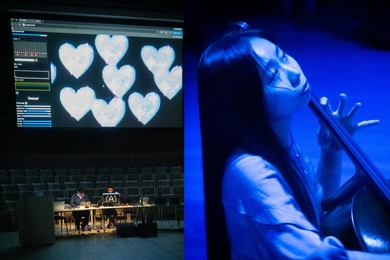
Associate Professor Anna Huang delivers the keynote address, “In Search of Human-AI Resonance,” to a capacity crowd.
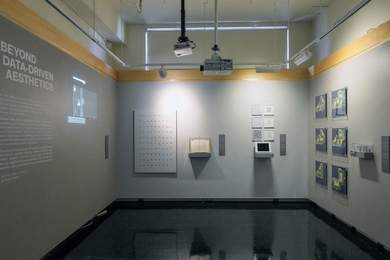
In a new Keller Gallery exhibition, Alexandros Haridis SM ’17, PhD ’22 traces centuries of ideas about aesthetic judgment and explores how design can make complex computational systems visible.