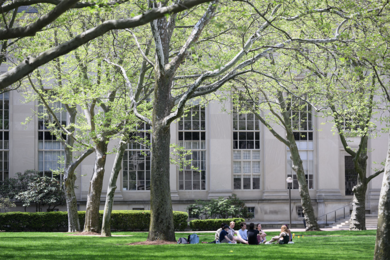
MIT School of Engineering faculty and staff receive awards in spring 2026
Faculty members and researchers were honored in recognition of their scholarship, service, and overall excellence.
Faculty members and researchers were honored in recognition of their scholarship, service, and overall excellence.
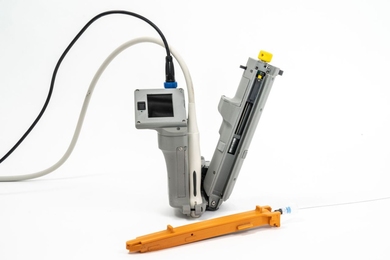
The handheld catheterization device AI-GUIDE, created by Lincoln Laboratory and Massachusetts General Hospital, promises improved health outcomes for injured service members and civilians.
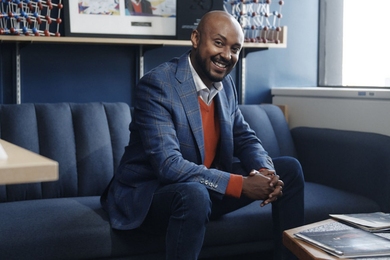
Assistant Professor Iwnetim Abate creates space for ambitious research and sustainable growth for his graduate students.
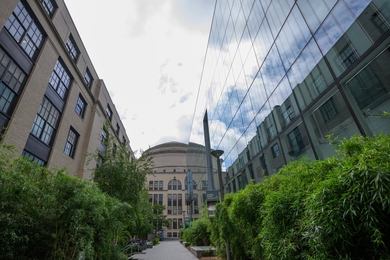
The Institute welcomes its first cohort of QMIT Fellows this fall to advance interdisciplinary quantum research.
The MIT Haystack Observatory principal research scientist is honored for lifetime contributions to ionospheric research.
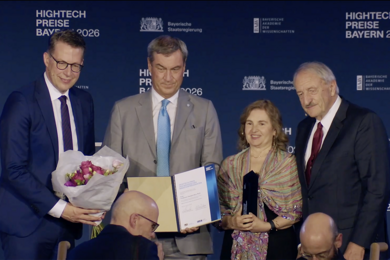
Director of CSAIL and MIT professor honored for her contributions to robotics, artificial intelligence, and autonomous systems.
MIT-trained mathematicians earn the honor, one of the most prestigious in the field, for their significant achievements.
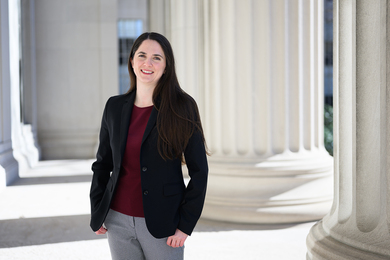
PhD student Lauren Fortier is building on the experience she gained operating a nuclear plant for the Navy to solve a critical hurdle in the wider adoption of the energy source.

Professor Anna-Christina Eilers is “Committed to Caring” for building a culture around attentiveness and community.
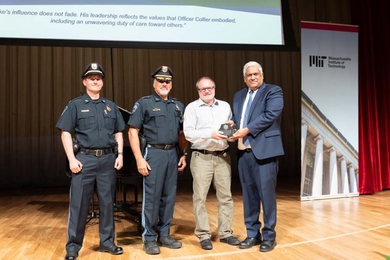
The MIT community celebrated the talent, dedication, and impact of its staff.
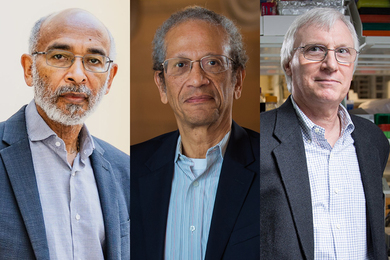
Longtime professors and experts in the fields of anesthesiology, aerospace engineering, and biological engineering, respectively, receive MIT’s highest faculty honor.

Computational Linguistics, International Security, and The Review of Economics and Statistics lead their disciplines with 2026 Clarivate impact factors.
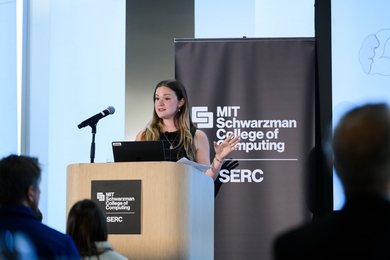
PhD student Rachel Sava, winner of the Envisioning the Future of Computing Prize, explores transformative improvements and dystopian risks of neural technology.
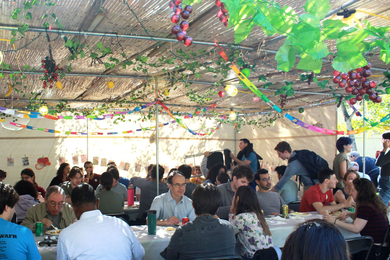
The innovative effort bringing researchers from Israel to campus keeps growing while enhancing community connections and academic inquiry.
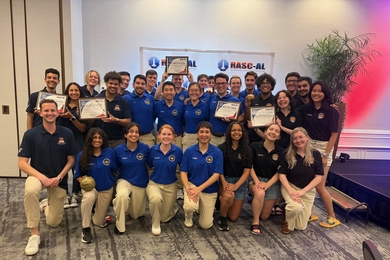
Three MIT teams took five top awards in the 2026 NASA RASC-AL Competition for designing critical elements for the moon base and future missions to Mars.