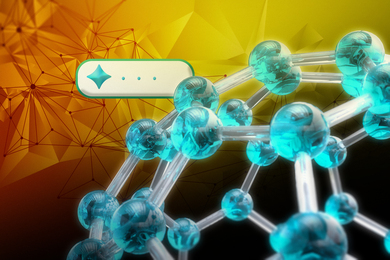
Giving AI a “crystal clear” view of the materials world
New research can help AI models understand crystalline materials in 3D and reason about their properties.
New research can help AI models understand crystalline materials in 3D and reason about their properties.
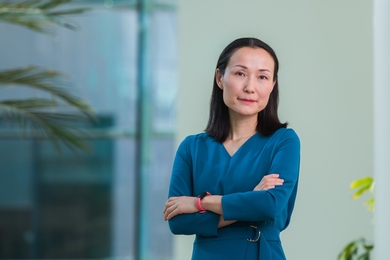
Professor Haruko Wainwright believes the risks posed by radioactive wastes cannot be properly assessed without also considering the hazards of chemical wastes.
The “CrysVCD” tool developed at MIT could cut the huge amounts of time and money spent on screening out chemically unstable designs.
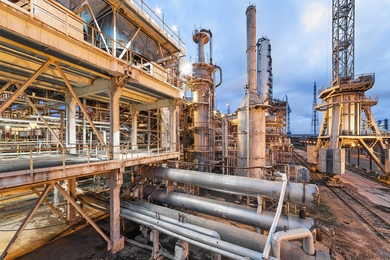
New MIT research could lead to better materials for a fossil-fuel-free process for making the chemical that's essential to fertilizer and other products.
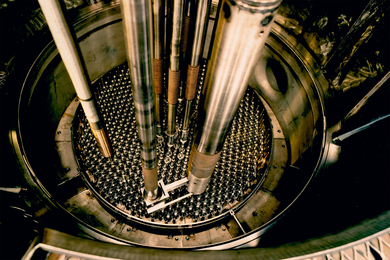
New understanding of how nuclear fuel breaks down and changes in an operating nuclear reactor could help keep some reactors running longer, will inform the next generation of nuclear reactor fuel systems.

Their new study aims to give budding industry a framework for understanding how fusion can be profitable.
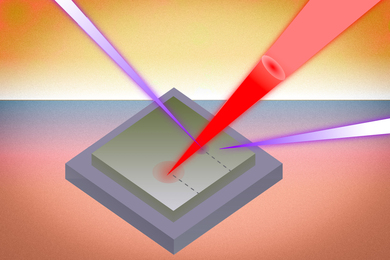
MIT researchers can now precisely measure how heat moves through multilayered materials like computer chips.
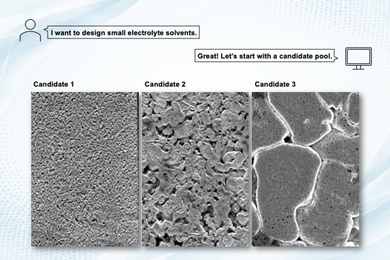
By focusing on electrolytes, MIT scientists are making sodium-metal batteries a more practical energy storage option.
PhD student Lauren Fortier is building on the experience she gained operating a nuclear plant for the Navy to solve a critical hurdle in the wider adoption of the energy source.
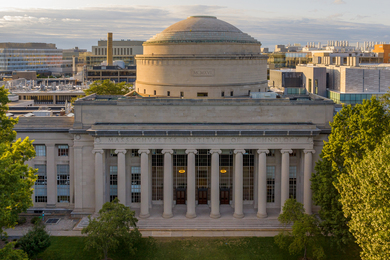
Initial research projects advance national priorities across natural resources, manufacturing, nuclear physics, and more.

The rising senior is passionate about soccer, nuclear fusion, and advocating on behalf of his fellow student-athletes at MIT.
The 1967 Outer Space Treaty bans nuclear weapons in space, but there’s currently no way to verify that satellites aren’t carrying them.
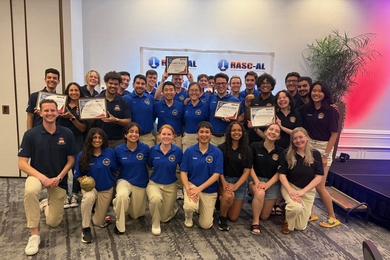
Three MIT teams took five top awards in the 2026 NASA RASC-AL Competition for designing critical elements for the moon base and future missions to Mars.

Founded by two researchers from MIT, Ferveret reduces the amount of energy and water required to cool the chips that power AI.
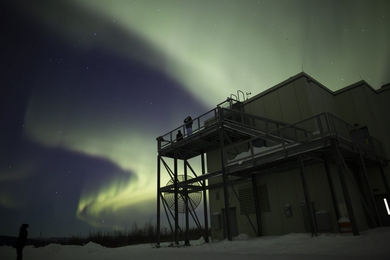
Student-led expeditions use distributed instruments to observe auroral structures and probe space plasma in real-world conditions.