
The effects of an “algorithmic monoculture” depend on the details
In a study focusing on hiring decisions, MIT researchers found the use of a single algorithm by many firms could benefit job seekers in certain situations.
In a study focusing on hiring decisions, MIT researchers found the use of a single algorithm by many firms could benefit job seekers in certain situations.
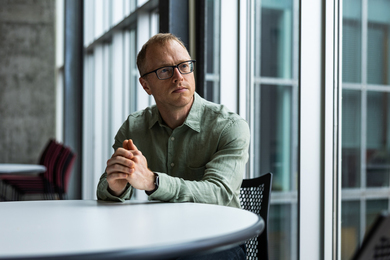
Philosopher Brian Hedden studies decision-making over time — and recently chose to return to alma mater MIT, where he is now connecting ethics and computing.
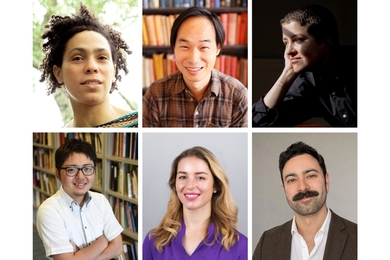
New professors join the Comparative Media Studies/Writing, Economics, Linguistics, and Music and Theater Arts departments.
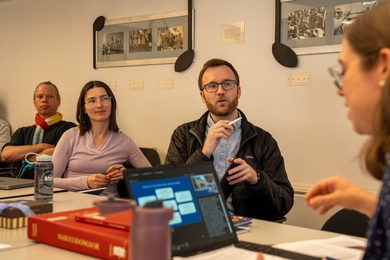
The SHASS Faculty Fellows Program, administered by the MIT Human Insight Collaborative, is fostering new research projects and creating space for supportive and interdisciplinary discussion.
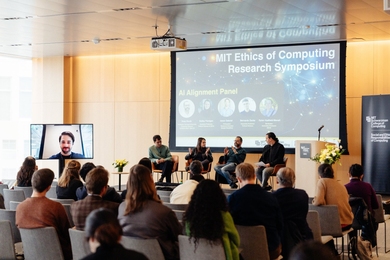
The MIT Ethics of Computing Research Symposium brought together experts and researchers working at the heart of ethical and social impact in technology.
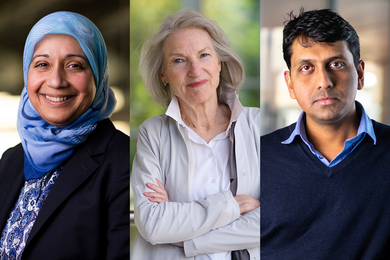
Afreen Siddiqi, Kathleen Thelen, and Vinod Vaikuntanathan, along with alumna Kate Manne, are appointed to the 2026 class of “trail-blazing fellows.”

MIT senior Olivia Honeycutt investigates how the ways we communicate can shape our views of the world.

Philosopher Sam Berstler explains why we have social norms that let people engage in open deception.
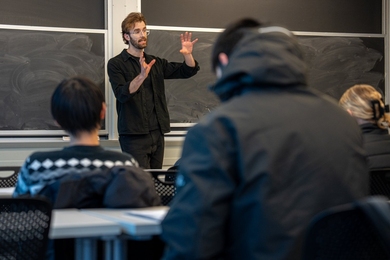
As the NC Ethics of Technology Postdoctoral Fellow, Michal Masny is advancing dialogue, teaching, and research into the social and ethical dimensions of new computing technologies.
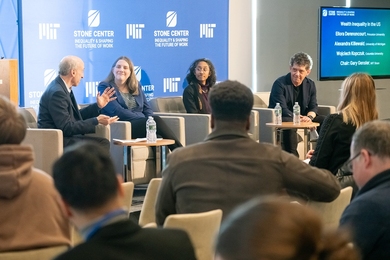
An MIT Stone Center event examined the origins, mechanisms, and political consequences of high inequality.
The Institute also ranks second in seven subject areas.

Linguistics graduate student William Pacheco hopes to preserve his endangered native language, while also becoming a better learner and educator.
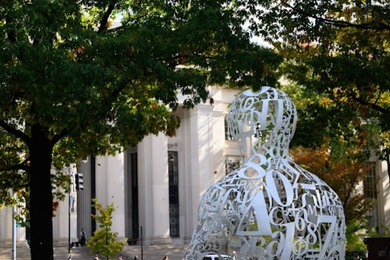
Top worldwide honors span disciplines across three MIT schools for the second year in a row.

He joins Nikos Trichakis in guiding the cross-cutting initiative of the MIT Schwarzman College of Computing.
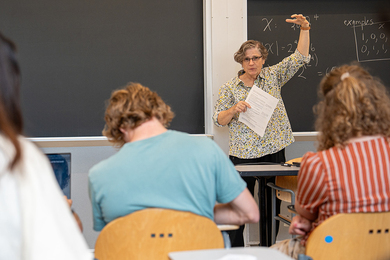
As AI technology advances, a new interdisciplinary course seeks to equip students with foundational critical thinking skills in computing.