
Q&A: Valencia Joyner Koomson ’98, MNG ’99 on new possibilities in microelectronic health systems
MLK Visiting Scholar focuses on microelectronics for cell analysis and biomedical applications.
MLK Visiting Scholar focuses on microelectronics for cell analysis and biomedical applications.
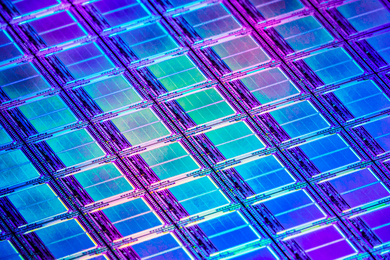
Once deemed suitable only for high-speed communication systems, an alloy called InGaAs might one day rival silicon in high-performance computing.
MIT Social Impact Interns partner with the Naval War College to develop an educational disaster response game.
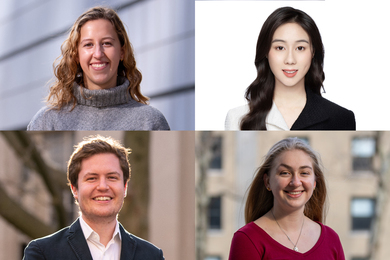
Francesca Macchiavello Cauvi, Alice Ho, Ava Waitz, and Lucio Milanese will pursue master’s degrees in global affairs and leadership training at Tsinghua University in Beijing.

Katie Collins and Marla Odell are heading to the United Kingdom next fall for two years of graduate study.
MIT study shows the power of adaptive training tools, like a basketball hoop that shrinks and raises as you make shots.

New system enables realistic variations in glossiness across a 3D-printed surface. The advance could aid fine art reproduction and the design of prosthetics.
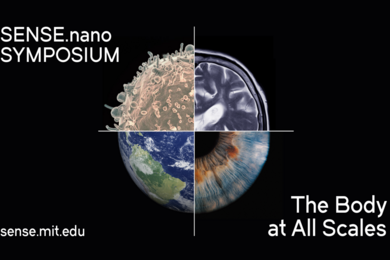
Applications and challenges of sensing technology have been accelerated by Covid-19.
A new approach could lower computing costs and increase accessibility to state-of-the-art natural language processing.
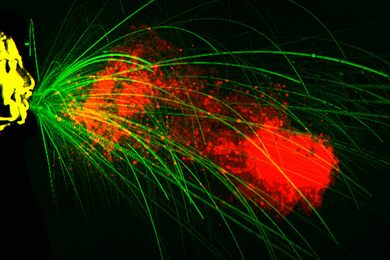
As cases increased worldwide this spring, mechanical engineers developed solutions to help slow and stop the spread of the coronavirus.
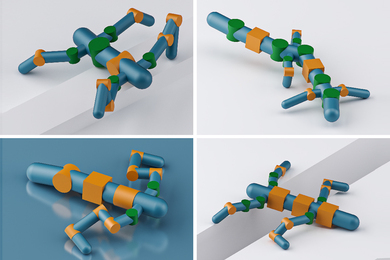
MIT researchers’ new system optimizes the shape of robots for traversing various terrain types.
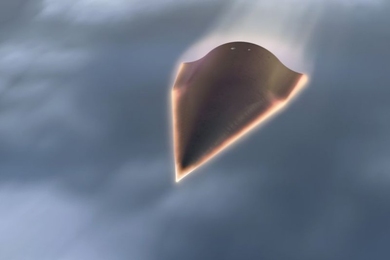
MIT is among nine universities selected as part of a program sponsored by the DoE to support science-based modeling and simulation and exascale computing technologies.
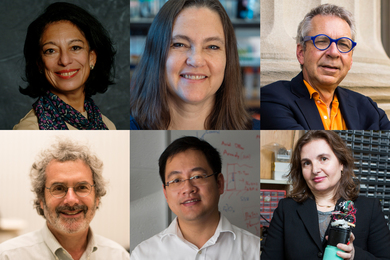
Choucri, Drennan, Fisher, Gershenfeld, Li, and Rus are recognized for their efforts to advance science.
M-CELS are purpose-driven living systems with multiple interacting living components.
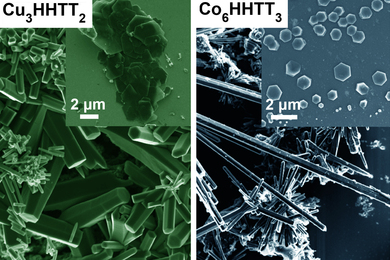
Family of compounds could someday be useful for fuel cells, supercapacitors, catalysts, and sensors.