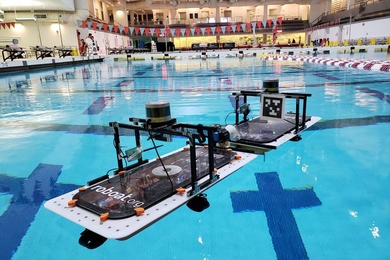
Autonomous boats can target and latch onto each other
Fleet of “roboats” could collect garbage or self-assemble into floating structures in Amsterdam’s many canals.
Fleet of “roboats” could collect garbage or self-assemble into floating structures in Amsterdam’s many canals.
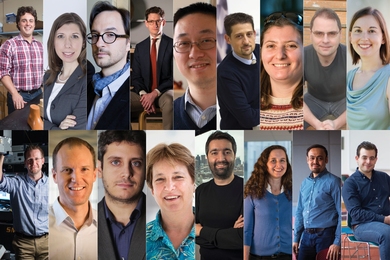
Seventeen appointments have been made in eight departments within the School of Engineering.
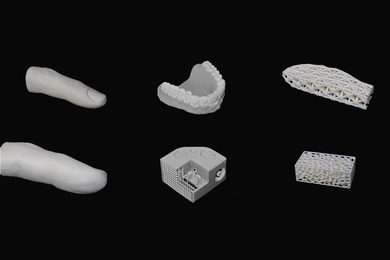
MIT startup Inkbit is overcoming traditional constraints to 3-D printing by giving its machines “eyes and brains.”
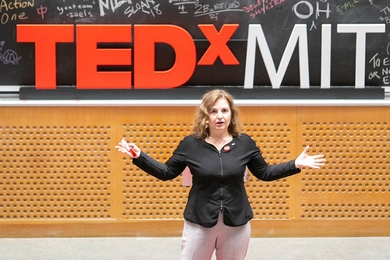
Speakers — all women — discuss everything from gravitational waves to robot nurses.

Interactive tool lets users see and control how automated model searches work.

Image-translation pioneer discusses the past, present, and future of generative adversarial networks, or GANs.
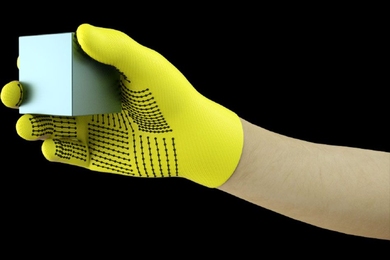
Signals help neural network identify objects by touch; system could aid robotics and prosthetics design.

Working group studies options for creating a new set of faculty hires for MIT’s new college.
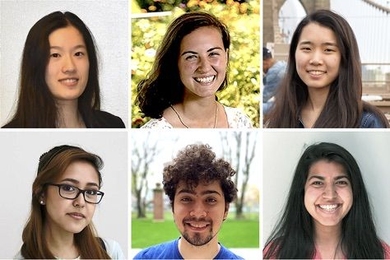
MIT Quest for Intelligence-sponsored undergraduate research projects demystify AI.
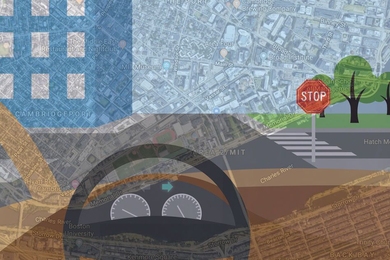
Autonomous control system “learns” to use simple maps and image data to navigate new, complex routes.
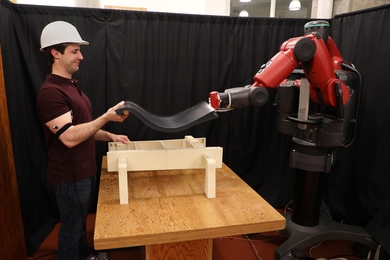
CSAIL system can mirror a user's motions and follow nonverbal commands by monitoring arm muscles.

New program will focus on rapid deployment of artificial intelligence innovations in operations, disaster response, and medical readiness.

Through computing, senior and Marshall Scholar Anna Sappington seeks answers to biological questions.
Grantees will spend the 2019-2020 academic year pursuing research and teaching opportunities abroad.

Through MIT App Inventor, Abelson aims to show children how they can use technology to shape their world.