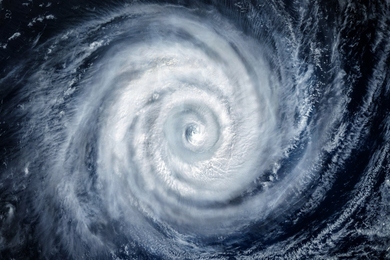
What happens when environmental change outpaces life’s ability to adapt?
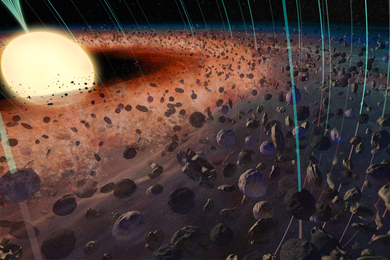
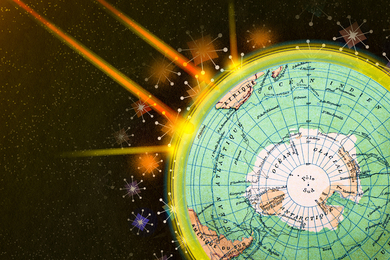
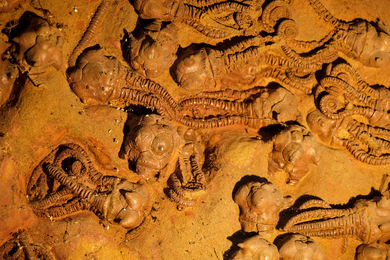
A new model links Earth’s mass extinctions to mismatches between rates of environmental change and biological adaptation.
Fourth-year PhD candidate Perrin Davidson studies the carbon cycle to understand how the planet responds to global disturbances.
Ranking at the top for the 15th year in a row, the Institute also places first in 12 subject areas.
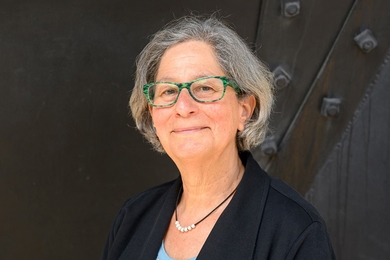
The MIT professor’s groundbreaking work on atmospheric chemistry helped lay steps towards recovery of the ozone layer and demonstrated the lasting impacts of carbon emissions on Earth’s climate.
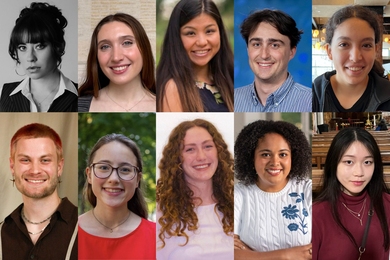
This year, over half of MIT’s Fulbright applicants won awards. The current students and alumni will embark on research projects abroad in 2026-27.
MIT senior Nik Sandu bridges scientific research with a strong commitment to teaching and community.
Six MIT faculty, along with 10 additional alumni, are recognized by their peers for their outstanding contributions to research in the natural and social sciences.
The legendary radio astronomy telescope returns to its science and educational mission at MIT Haystack Observatory.
The prestigious honor society honors four MIT faculty and 13 additional MIT alumni among more than 250 new members.
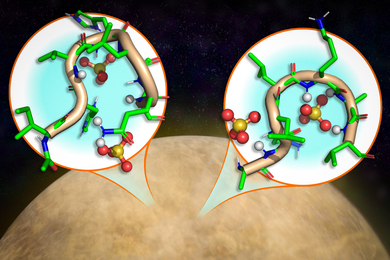
Scientists say an exception in the Montreal Protocol for the use of ozone-depleting feedstocks could set the ozone recovery back seven years.
From lazy ripples to towering breakers, waves should vary widely from one planet to another, according to a new model.
MIT Energy Initiative symposium maps a path to tap the planet’s heat-rich rocks for clean power at scale.
Two faculty and six additional alumni win top APS awards and prizes; four faculty and 12 additional alumni named APS Fellows.
On GBH’s new show The Curiosity Desk, MIT LIGO researchers revel in the beauties of fundamental discovery science and MIT astronomers talk planetary defense.
With warmer ocean temperatures, the composition of marine plankton could shift from protein-rich to carb-heavy, a new study suggests.