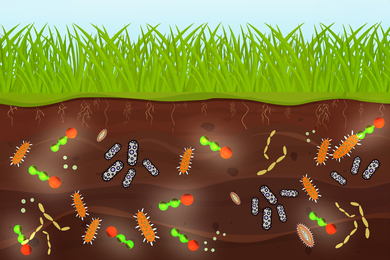
Nitrous oxide, a product of fertilizer use, may harm some soil bacteria
While some N2O is produced naturally at the plant root, agricultural practices can increase its levels, to the detriment of some microbes that support plant growth.
While some N2O is produced naturally at the plant root, agricultural practices can increase its levels, to the detriment of some microbes that support plant growth.

By minimizing the need to drive around looking for a parking spot, this technique can save drivers up to 35 minutes — and give them a realistic estimate of total travel time.
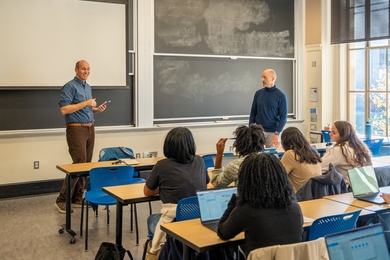
In STS.059 (The Bioeconomy and Society), students explore the social and political factors at work in the biology, biotech, and biological engineering sectors.
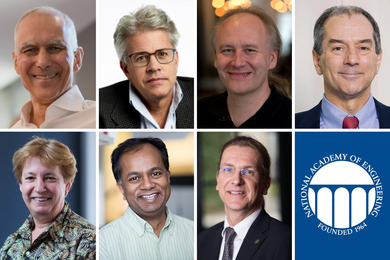
Seven faculty members, along with 12 additional alumni, are honored for significant contributions to engineering research, practice, and education.

WITEC is working to develop the first wearable ultrasound imaging system to monitor chronic conditions in real-time, with the goal of enabling earlier detection and timely intervention.
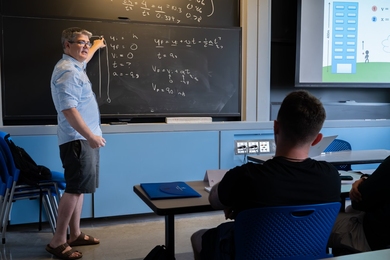
For nearly a decade, the MIT Warrior-Scholar Project STEM boot camp has helped enlisted members of the military prepare for higher education.
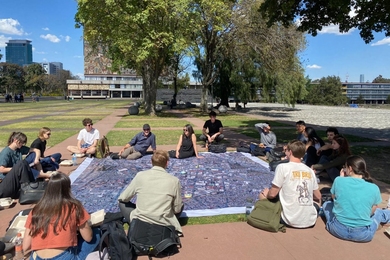
Cross-border collaborations are seen as a key to success for the MIT Leventhal Center’s Mexico City Initiative.

With the help of AI, MIT Research Scientist Judah Cohen is reshaping subseasonal forecasting, with the goal of extending the lead time for predicting impactful weather.
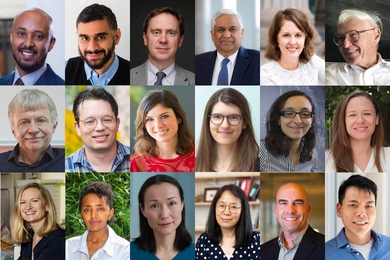
The program recognizes outstanding mentorship of graduate students.

New analysis provides the first national, bottom-up estimate of cement’s natural carbon dioxide uptake across buildings and infrastructure.
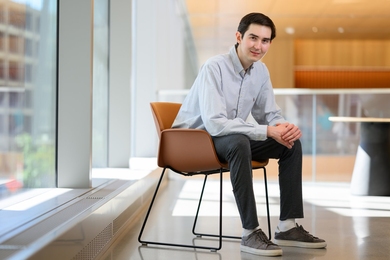
Nuclear waste continues to be a bottleneck in the widespread use of nuclear energy, so doctoral student Dauren Sarsenbayev is developing models to address the problem.

MIT researchers analyzed a recently discovered ancient construction site to shed new light on a material that has endured for thousands of years.
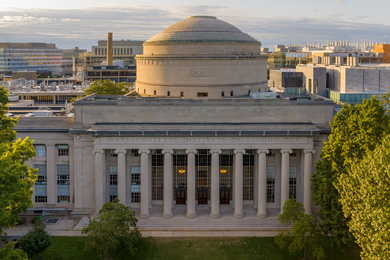
Faculty members and researchers were honored in recognition of their scholarship, service, and overall excellence.
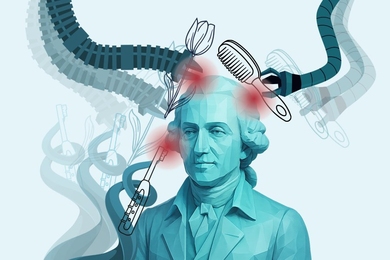
MIT CSAIL and LIDS researchers developed a mathematically grounded system that lets soft robots deform, adapt, and interact with people and objects, without violating safety limits.

MIT researchers developed a way to identify the smallest dataset that guarantees optimal solutions to complex problems.