A Ticketmaster for science seminars
Despite physical isolation, MIT mathematicians build one-stop portal to online talks around the world.
Despite physical isolation, MIT mathematicians build one-stop portal to online talks around the world.
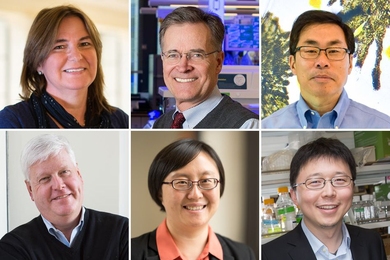
Multi-institutional MassCPR initiative announces more than $16.5 million to support 62 Boston-area projects.
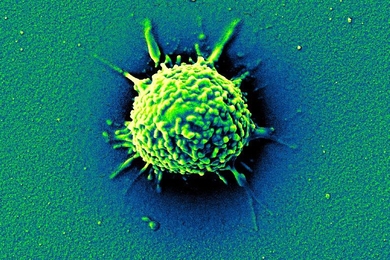
The MIT-IBM Watson AI Lab is funding 10 research projects aimed at addressing the health and economic consequences of the pandemic.

The protein Synaptotagmin 7 limits supply of neurotransmitter-containing vesicles for release at synapses.
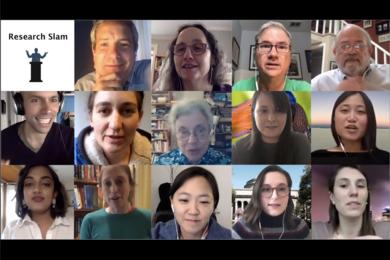
Nine biology alumni had just three minutes and one slide to awe the audience and judges.
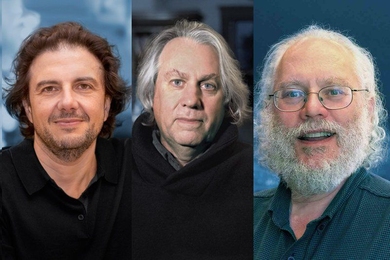
Laureates recognized for contributions to climate change, biomedicine, and quantum cryptography.

When searching for extraterrestrial life, astronomers may want to look at planets with hydrogen-rich atmospheres.
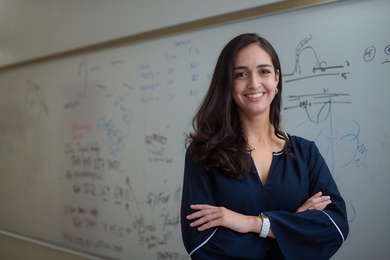
Postdoc Izabella Pena uses social media to combat the infodemic about the Covid-19 pandemic.
Despite Covid-19 physical distancing, the Department of Biology has come together while being apart.

MIT professor and intensivist/trauma surgeon explains the new challenges that Covid-19 brings to treating patients in acute respiratory distress.
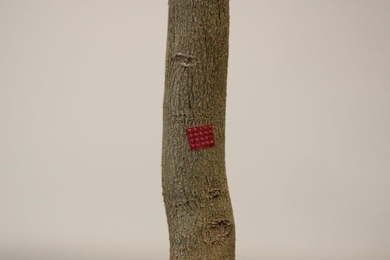
Microneedles made of silk-based material can target plant tissues for delivery of micronutrients, hormones, or genes.
Prestigious honor society announces more than 250 new members.
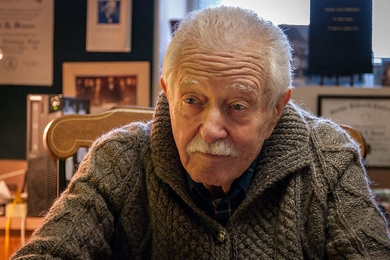
An eminent microbiologist, Demain conducted groundbreaking antibiotics research and mentored hundreds of young scientists.
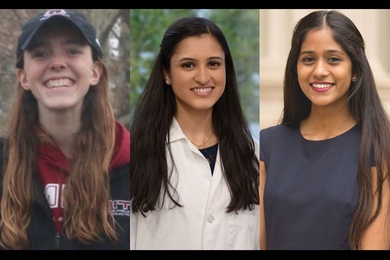
Three MIT undergraduates who use computer science to explore human biology and health honored for their academic achievements.
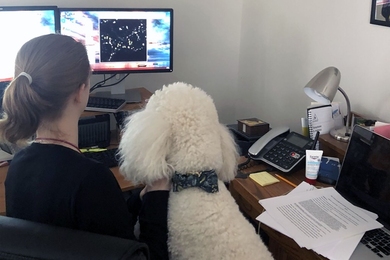
Picower Institute researchers are advancing their work in many ways despite time away from the lab required to corral Covid-19.