
Company founded by MIT alumnus lets anyone run DNA experiments
MiniPCR bio has sold thousands of its inexpensive polymerase chain reaction machines to researchers and schools around the world.
MiniPCR bio has sold thousands of its inexpensive polymerase chain reaction machines to researchers and schools around the world.
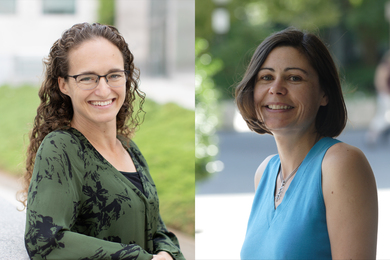
Professors will help guide school-level initiatives and strategy.
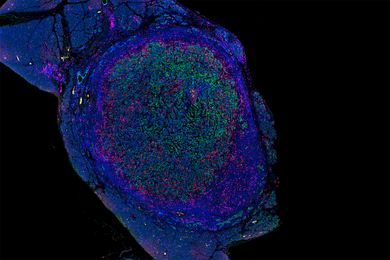
Researchers find three immunotherapy drugs given together can eliminate pancreatic tumors in mice.

Roundworms change the flow of material in and out of their mouths in response to bright light, revealing a new way for neurons to control muscle cells.
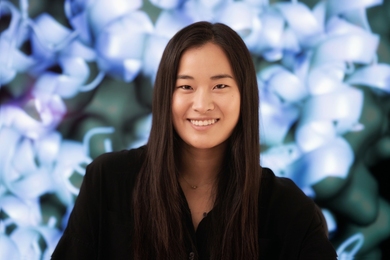
Graduate student Ellen Zhong helped biologists and mathematicians reach across departmental lines to address a longstanding problem in electron microscopy.
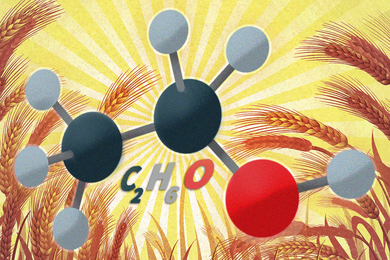
By making the microbes more tolerant to toxic byproducts, researchers show they can use a wider range of feedstocks, beyond corn.
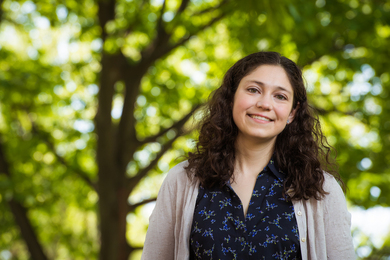
PhD student Sarah Nyquist applies computational methods to understudied areas of reproductive health, such as the cellular composition of breast milk.
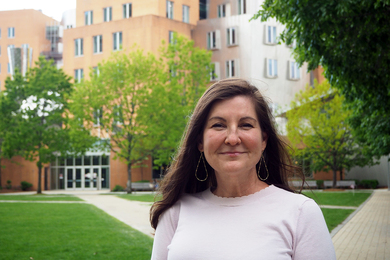
Professor Laurie Boyer studies cardiac development, and how we might be able to mend broken hearts.
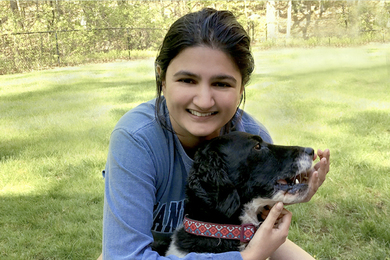
Natasha Joglekar ’21 is eager to apply her MIT education, with a major in computer science and biology and a minor in women’s and gender studies, to a career in medical research.
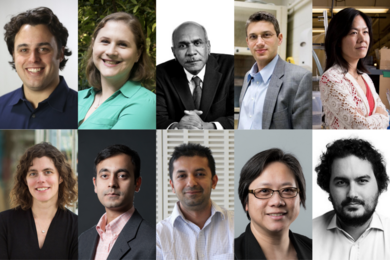
Ten principal investigators from seven MIT departments and labs will receive up to $150,000 for two years, overhead-free, for innovative research on global food and water challenges.
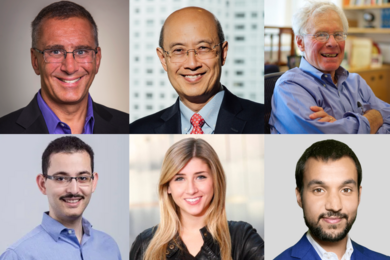
MIT instructors honored for creating multidimensional, multidisciplinary online courses that help learners everywhere address real-world problems.
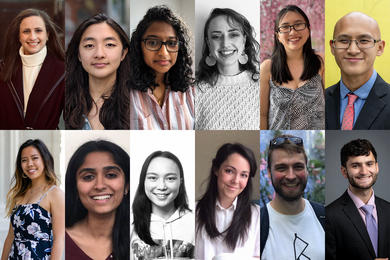
Grants will support their research, graduate study, and teaching abroad in 2021-22.
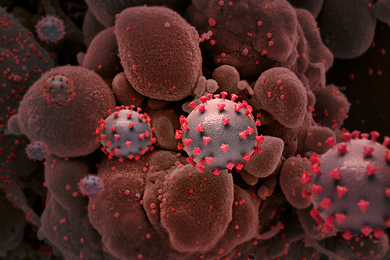
Covid-19 class taps experts to help students and the public avoid misinformation as the crisis evolves.
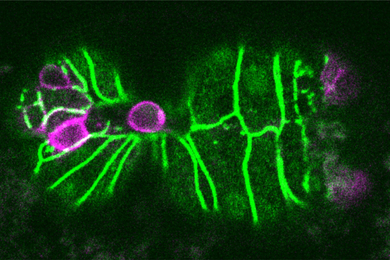
Study suggests this process for eliminating unneeded cells may also protect against cancer.
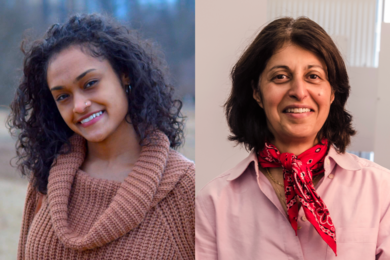
Graduate student and outreach director discuss efforts by the Department of Biology’s faculty, students, and staff to engage local community college students in scientific research.