Picower Institute for Learning and Memory

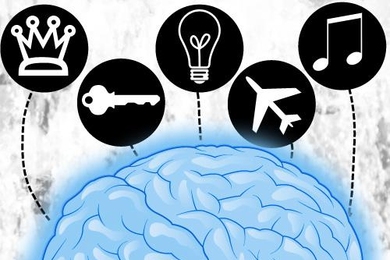
How the brain assigns objects to categories
New findings may explain why children with autism tend to fixate on details instead of seeing the big picture.
When four is not four, but rather two plus two
MIT neuroscientists redefine the limits of visual working memory.
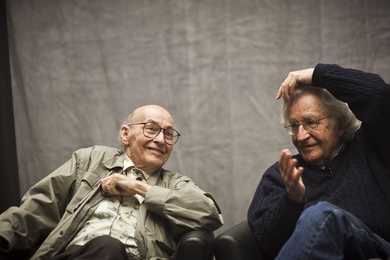
Of minds and machines
Final installment of MIT’s 150th anniversary symposia explores intelligence — both human and artificial.


Protein linked to aging may boost memory and learning ability
Discovery could lead to new drugs to fight Alzheimer’s and other neurological diseases.
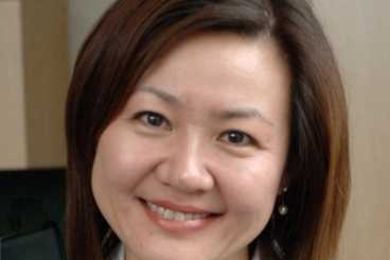
Li-Huei Tsai receives Glenn Foundation Award
Picower Institute director awarded grant for research in biological mechanisms of aging

Multitasking is no problem for these brain cells
Scientists find that neurons in the brain’s planning center can handle more than one kind of job.
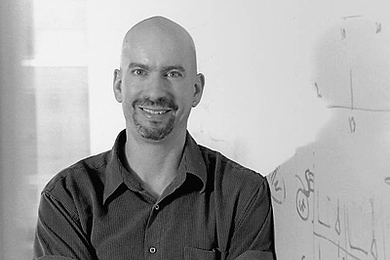
Earl Miller wins MERIT award from National Institute of Mental Health
National Institute of Mental Health
HHMI lists Tsai team’s advance among 10 biggest stories of 2009
Howard Hughes Medical Institute honors discovery of gene protein that could lead to safer drug treatments for Alzheimer’s and other diseases.
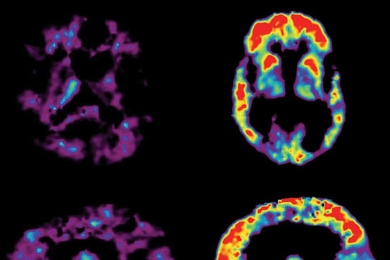
Back to (brain) basics
MIT neuroscientists are using their knowledge of the brain to generate promising treatments for autism, mental retardation and Alzheimer’s disease.
In Profile: Matt Wilson
By listening in on rat brains, the Picower Institute neuroscientist tries to understand the role of sleep in learning and memory
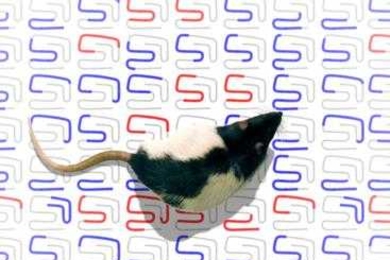
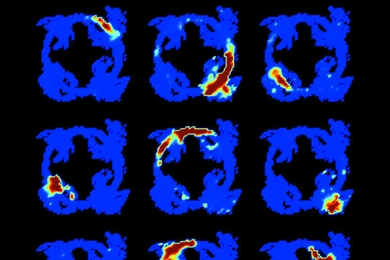
Animals have complex dreams, MIT researcher proves
Study may advance understanding of human learning and memory.