
New imaging system sees through murky waters
The “Sonar-MASt3R” combines sonar and visual data to create real-time 3D maps, even in cloudy water.
The “Sonar-MASt3R” combines sonar and visual data to create real-time 3D maps, even in cloudy water.
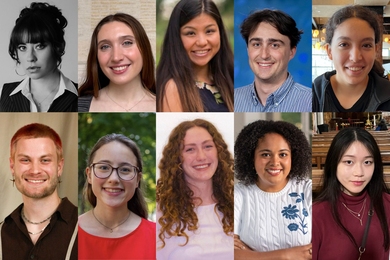
This year, over half of MIT’s Fulbright applicants won awards. The current students and alumni will embark on research projects and teaching abroad in 2026-27.

From lazy ripples to towering breakers, waves should vary widely from one planet to another, according to a new model.
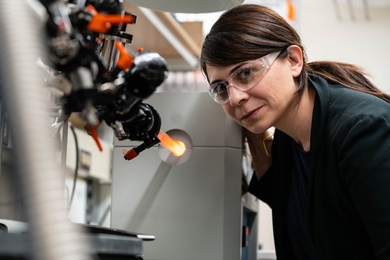
Faculty member in civil and environmental engineering will advance research and entrepreneurial initiatives across the School of Engineering.

MIT researchers uncovered the roles of bacterial species from the environment as they consume biodegradable plastic.

Research shows these channels allow seawater and nutrients to flow in and out, helping to maintain reef health over millions of years.

The winning essay of the Envisioning the Future of Computing Prize puts health care disparities at the forefront.
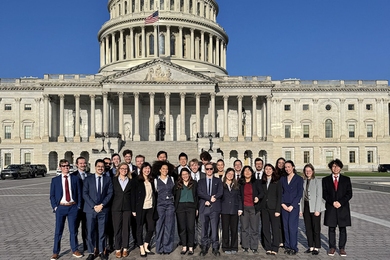
In an annual tradition, MIT affiliates embarked on a trip to Washington to explore federal lawmaking and advocate for science policy.
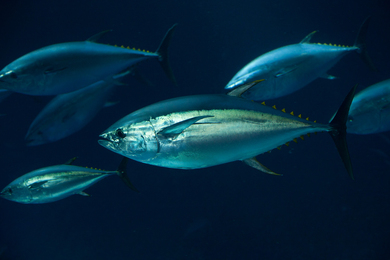
These big fish get most of their food from the ocean’s “twilight zone,” a deep, dark region the commercial fishing industry is eyeing with interest.
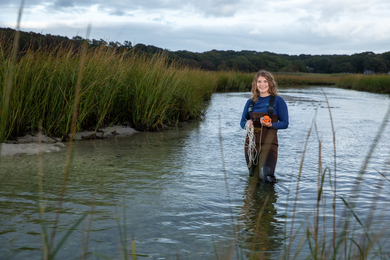
Brooks is researching the impact of coastal pond breaching on preventing and mitigating harmful algal blooms, and will report to Naval Aviation Schools Command to begin flight training this fall.
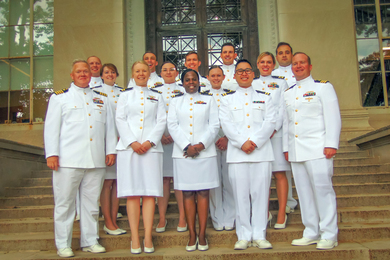
Through MIT’s 2N Program and the MIT-WHOI Joint Program, active duty naval officers gain the technical skills they need to lead projects in the Navy.
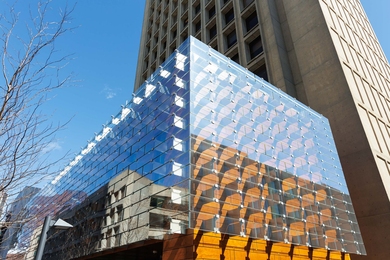
Together, the new Moghadam Building and refurbished Green Building form a vibrant new center to tackle pressing global concerns of sustainability and climate change.
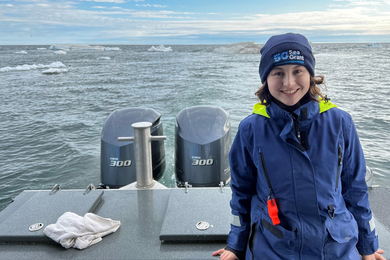
PhD candidate Emma Bullock studies the local and global impacts of changing mineral levels in Arctic groundwater.
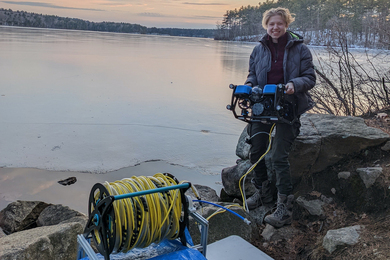
Senior Sylas Horowitz tackles engineering projects with a focus on challenges related to clean energy, climate justice, and sustainable development.
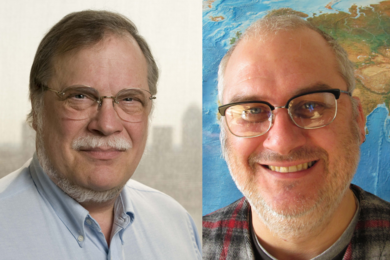
Ed Boyle to step down as director; Mick Follows will take over the directorship in July.