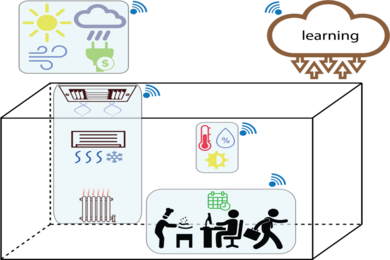
Making smart thermostats more efficient
A smart thermostat quickly learns to optimize building microclimates for both energy consumption and user preference.
A smart thermostat quickly learns to optimize building microclimates for both energy consumption and user preference.

A new deep-learning algorithm could provide advanced notice when systems — from satellites to data centers — are falling out of whack.
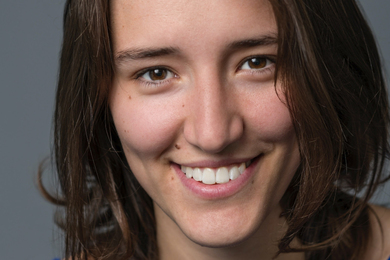
Graduate student Manon Revel uses quantitative methodologies to investigate how advertising in online publications affects trust in journalism.
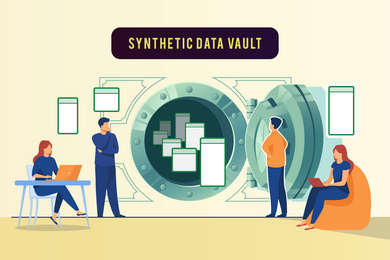
MIT researchers release the Synthetic Data Vault, a set of open-source tools meant to expand data access without compromising privacy.

MIT researchers reveal inadequacies in current battery models.

Annual MITEI awards support research on battery storage, smart grids, and carbon emissions reduction.
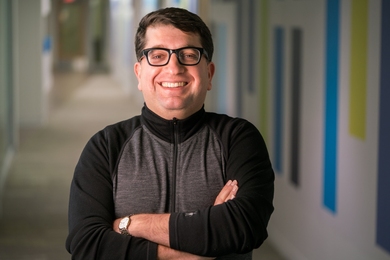
Systems science and control theory expert to succeed Markus Buehler.
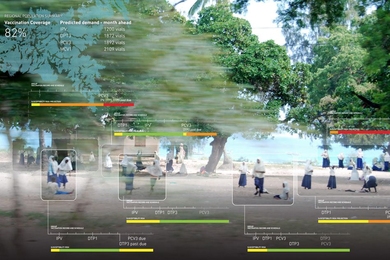
The startup macro-eyes uses artificial intelligence to improve vaccine delivery and patient scheduling.

Longtime professor of electrical engineering was also a transformative director of the MIT Laboratory for Information and Decisions Systems.

Isolat, a volunteer collaboration organized by the Institute for Data, Systems, and Society, informs coronavirus policy by analyzing data associated with the pandemic.
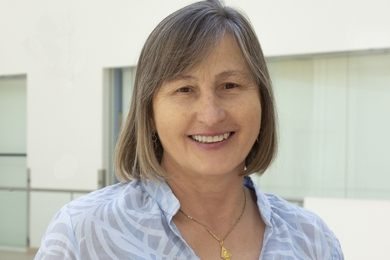
Senior Research Scientist Marija Ilic is making electric energy systems future-ready.
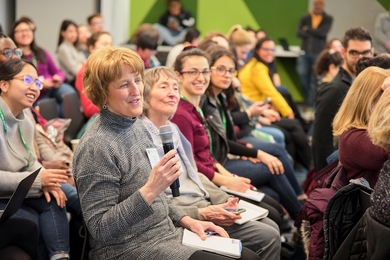
WiDS Cambridge, co-hosted by the Institute for Data, Systems, and Society, recognizes and empowers women in STEM across a variety of disciplines.

PatternEx merges human and machine expertise to spot and respond to hacks.
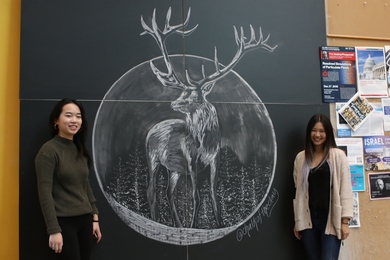
Chalk of the Day, an MIT student group, draws beautiful daily works of art on the chalk wall in Building 32.

The EECS emeritus professor is recognized for groundbreaking contributions in information and coding theory.