Computer Science and Artificial Intelligence Laboratory (CSAIL)
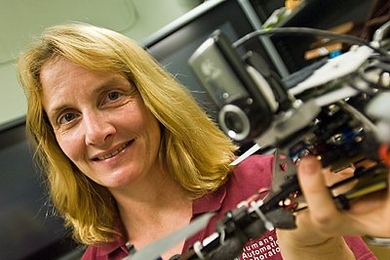
In Profile: Missy Cummings
Former U.S. Naval fighter pilot aims to improve how humans and computers interact.

Web sites that can take a punch
By preventing web applications from deviating from their normal behavior, a new MIT system can keep them online even during a cyberattack.
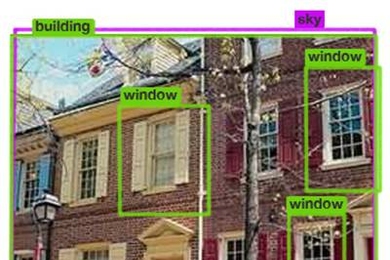
Context is ev … well, something, anyway
MIT research uses information about how frequently objects are seen together to refine the conclusions of object recognition systems.
Explained: Linear and nonlinear systems
Much scientific research across a range of disciplines tries to find linear approximations of nonlinear behaviors. But what does that mean?

Sketch-interpreting software
A new system that lets people enter data into a tablet computer simply by drawing diagrams on the screen could lead to interactive whiteboards.

At Davos, MIT faculty discuss the nature of intelligence
Videos available of professors' presentations at World Economic Forum
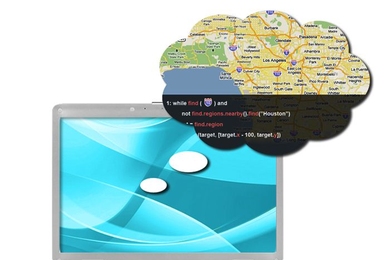
Picture-driven computing
New research could enable computer programming based on screen shots, not just code

Putting the squeeze on data
In work that could make it easier to handle huge data sets, MIT researchers improve data compression's fidelity without sacrificing speed
Rethinking artificial intelligence
Broad-based MIT project aims to reinvent AI for a new era. By going back and fixing mistakes, researchers hope to produce ‘co-processors’ for the human mind.
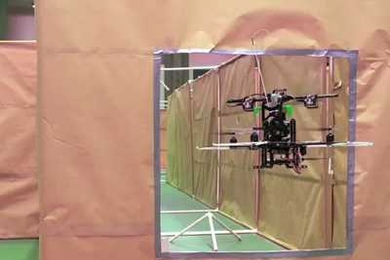
Flight of fancy
Using an autonomous mini-helicopter, an MIT team stunned the Association for Unmanned Vehicles International by solving one of its notoriously tough challenges on the first try.

When Signals Cross: Medical Systems at CSAIL
Professor John Guttag and his team of graduate students are working in partnership with clinicians to produce technological solutions for medical problems.
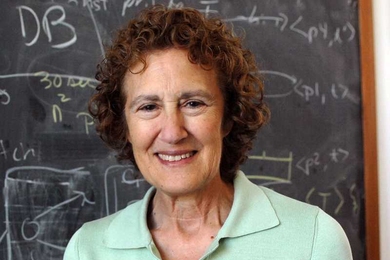
Reporter's Notebook: Inventing language
MIT’s Barbara Liskov, winner of the Turing Award, describes how she helped lay the foundations for today’s programming languages.
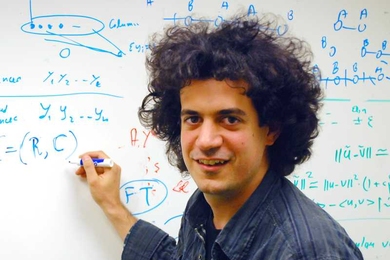
What computer science can teach economics
Constantinos Daskalakis applies the theory of computational complexity to game theory, with consequences in a range of disciplines.