Computer Science and Artificial Intelligence Laboratory (CSAIL)
Robot meets world
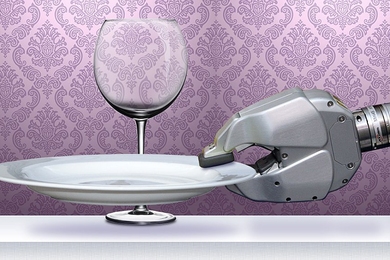
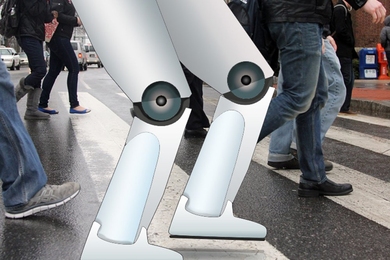
A new way of reasoning about what happens when a robot’s limb strikes an object could lead to more efficient and reliable robotic-control systems.
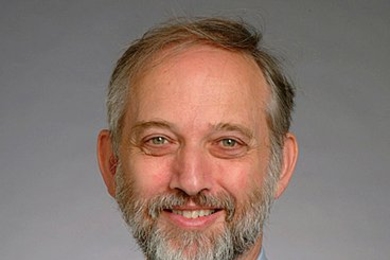
Peter Szolovits honored with Morris F. Collen Award of Excellence
Professor cited for 'commitment and dedication to biomedical informatics'

Goldwasser and Micali win Turing Award
Team honored for ‘revolutionizing the science of cryptography.’
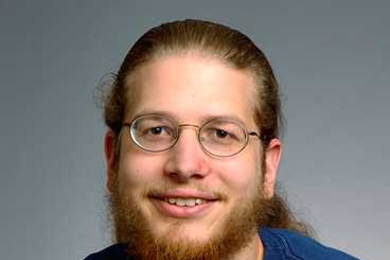
Demaine named Presburger Award recipient
Professor Erik Demaine was cited for his contributions to computational geometry and data structures.
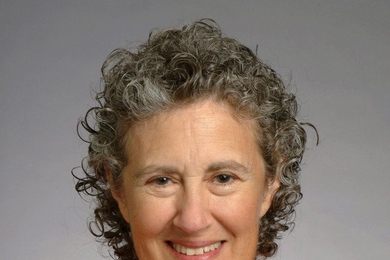
MIT researchers honored for 'Revealing Invisible Changes'
CSAIL team recognized by National Science Foundation for video that catches motions too subtle for the naked eye.
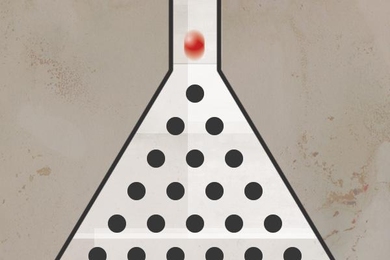
Research update: Multiple steps toward the ‘quantum singularity’
Over three days in December, four research groups announced progress on a quantum-computing proposal made two years ago by MIT researchers.
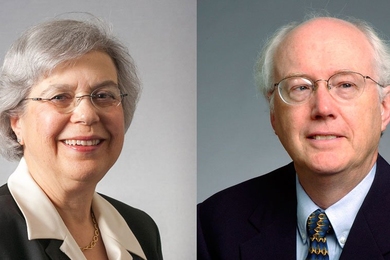
Clark and Sollins receive Test of Time Award
MIT researchers honored for their paper 'Tussle in Cyberspace: Defining Tomorrow’s Internet.'
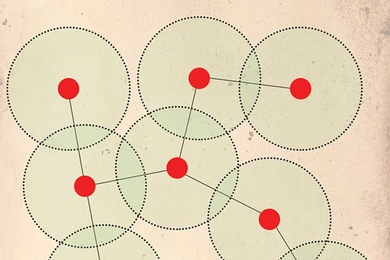
Guaranteed delivery — in ad hoc networks
A new algorithm for message dissemination in decentralized networks is faster than its predecessors but, unlike them, guarantees delivery.
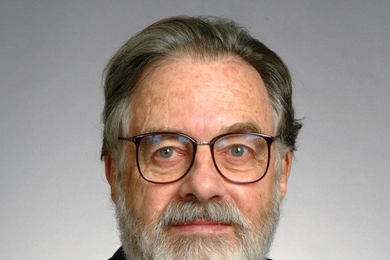
Dennis awarded IEEE John von Neumann Medal
Presented annually for outstanding achievements in computer-related science and technology

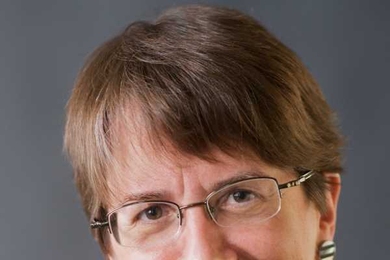
3 Questions: A Web for everyone
Judy Brewer leads the Web Accessibility Initiative, which developed standards that help make the Web accessible to people with disabilities.