Since 2021, the MIT Environmental Solutions Journalism Fellowship has supported local and regional journalists in reporting high-impact news stories that connect climate change with local priorities.
Now, the MIT Climate Project has published a report on the reach and impact of these fellowships, highlighting how the Institute’s scientific resources can help spark and deepen conversations about climate solutions in every corner of the country.
“Our goal is to offer trusted, grounded knowledge about climate change to everyone who wants to learn, so communities can make informed decisions for themselves about how to respond,” says Aaron Krol, who leads the Climate Change Engagement Program within the Climate Project. “Often, the best way to do that is just to lend support and scientific guidance to the people, like the reporters at local papers and radio stations, who know their audiences’ needs and perspectives best.”
Since the fellowship was founded, 20 journalists have completed the program, publishing 104 stories with a collective audience of nearly 3 million readers and listeners. Among the goals of the fellowship is to ensure that ambitious, long-form or serial climate reporting is not restricted to the large national outlets that can afford to maintain a climate desk. Americans consistently say they trust their local newsrooms more than national ones, and feel local news is an important institution in their cities and towns — making these news sources especially powerful media for introducing new ideas and perspectives on climate change and its solutions.
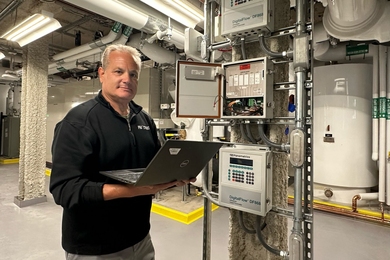
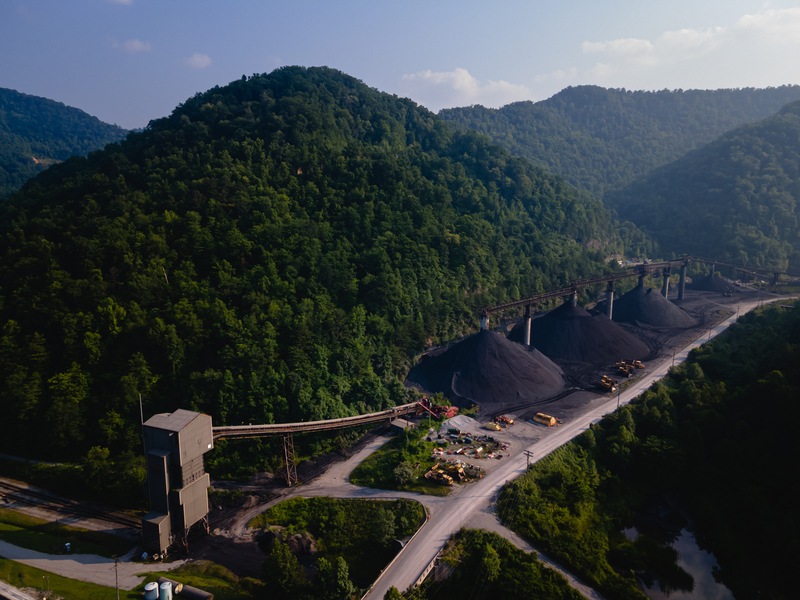
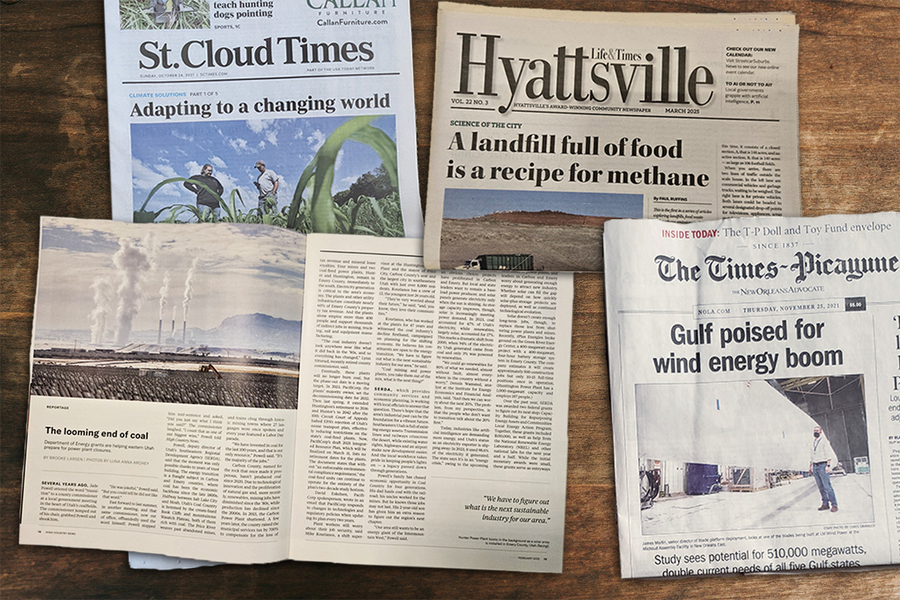
MIT journalism fellows have covered the potential for offshore wind energy in Louisiana, flood preparedness in West Virginia, and the energy transition in Utah’s coal country, among many other topics with clear stakes for readers and their communities.
“Local journalists want to engage on climate issues,” says Krol. “Every year, we’re amazed by the quality of the applications we receive. There are so many reporters out there who know this is important, who have been holding onto ideas for stories, and just need that extra support to step outside their usual beats or devote the time and resources to these issues.”
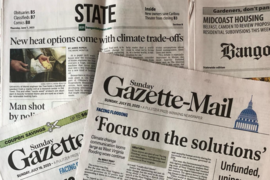
The 20 outlets that have participated in the fellowship showcase the full variety of local news media in the United States today. Some are long-standing institutions in their cities and states, while others are recent startups trying out new, nonprofit models for local journalism in the 21st century. Some publish in print, some are online-only, and some report on the radio. Some have readerships in the hundreds of thousands, and others serve impactful niche audiences.
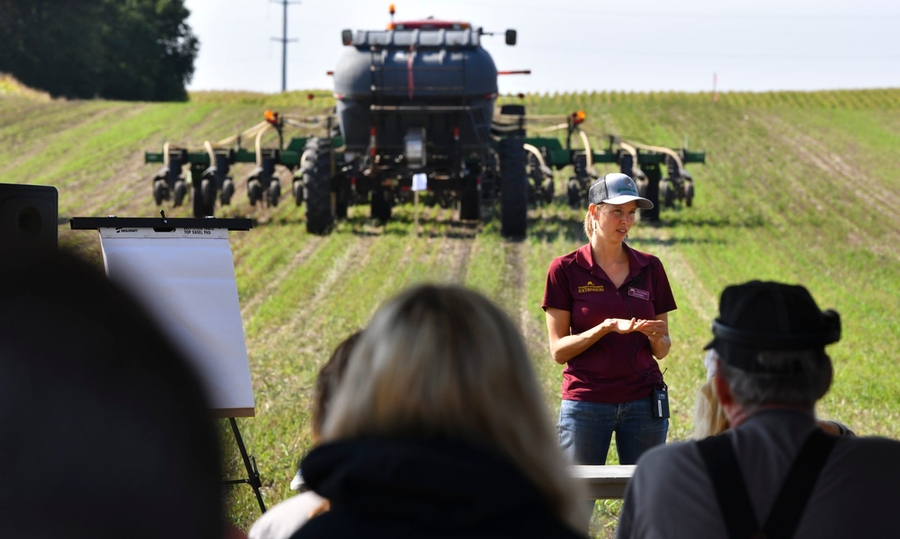
The most recent cohort of fellows, from 2025, exemplifies this range. At the Chicago Tribune, Karina Atkins reached hundreds of thousands of readers with her series on state and federal policies that have hampered Illinois farmers from diversifying their crops in preparation for a warming climate. Meanwhile, at Lancaster Farming, Carolyn Beans gave dairy farmers in Pennsylvania an in-depth look at the market for climate-smart milk.
“We don’t ask how big your audience is,” Krol says. “We ask who you’re going to reach, and how you’re going to connect climate change to their lives and livelihoods.”
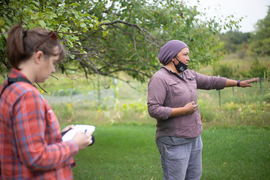
MIT provides the fellows with editorial, scientific, design, and financial support. Fellows get a crash course in climate science from MIT experts, and work hands-on with interactive climate models to get new perspectives on policy and technology solutions. They also get access to a science editor who can supplement the work of the host newsroom with a specialized background in reporting and writing science-focused stories.
“The stories themselves are important, but I’m proudest of the difference our program has made for the careers of the journalists who have come through it,” says Krol. “We’ve had newsrooms dedicate more resources to following up on their climate stories, fellows pivot to energy and environment beats, outlets start using digital tools and data visualizations in new ways. We even had a fellow start her own newsroom to pursue more environmental and solutions reporting for Minnesota. Once these journalists get a chance to dig in on climate, they carry the knowledge and skills with them.”
Read the 2026 Impact Report to learn more about the MIT Environmental Solutions Journalism Fellows, and the impacts they made on communities across the country. All 100-plus stories published through the fellowship can be found on the MIT Climate Portal.