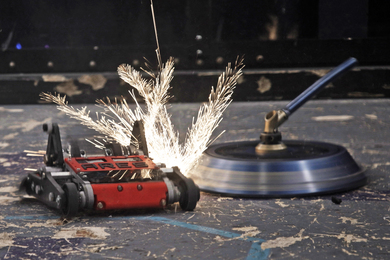
A new system identifies and corrects unreliable object descriptions stored in a robot’s memory, improving the robot’s ability to interact with its environment.
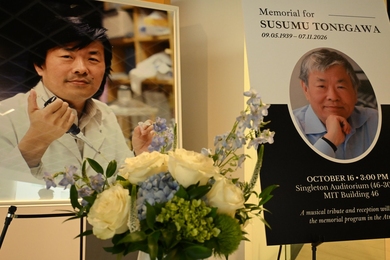
To remember the longtime professor, lab members, alumni, colleagues, and other well-wishers gathered with members of his family in MIT Building 46 and online.
Awarded up to $38 million from ARPA-H, the team aims to create a low-power, noninvasive sensor patch that measures heart failure and sepsis biomarkers in real-time.
Documentary shines a powerful light on a painful disease that affects 265 million women, highlights efforts at MIT’s Center for Gynepathology Research to study the disease and find treatments.