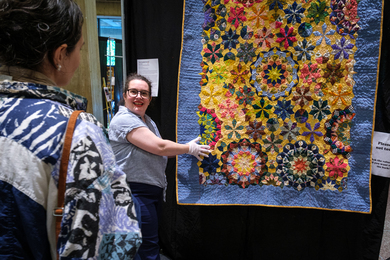
Scene at MIT: Beautiful, intricate, creative quilts
The MIT Quilt Show, featuring more than 40 quilted projects from 20 members of the MIT community, drew almost 1,000 visitors over three days.
The MIT Quilt Show, featuring more than 40 quilted projects from 20 members of the MIT community, drew almost 1,000 visitors over three days.
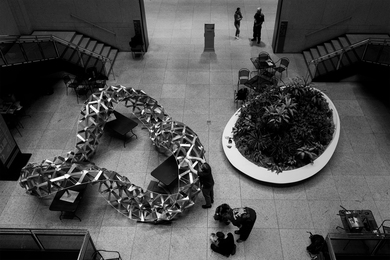
The modular approach could be used to erect emergency shelters or fabricate aerospace components more quickly and with less material than some techniques.
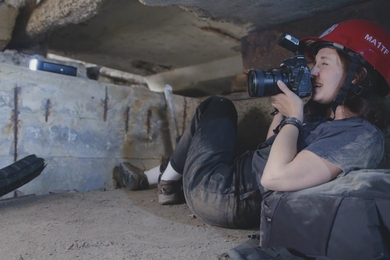
Staff photographer Niki Fandel captures the people and technology advancing Lincoln Laboratory’s national security mission.
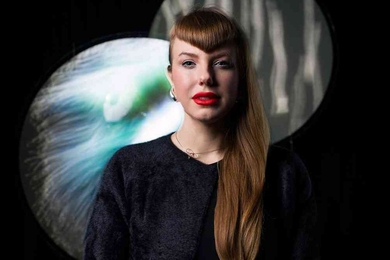
Inaugural artist Amy Karle will join astrophysicists at MIT’s Kavli Institute to explore questions about the universe and translate them into an immersive multimedia experience.
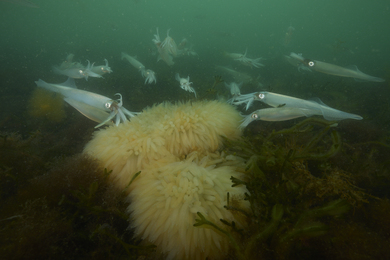
MIT Sea Grant resident artist and acclaimed underwater photographer Keith Ellenbogen captures an intimate look at courtship and communication in a hidden spawning spectacle off Cape Cod.
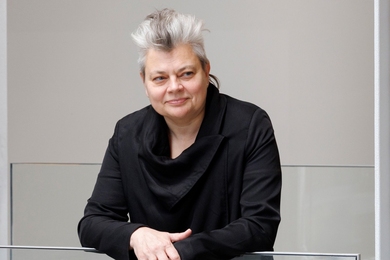
In this leadership role, Miljački seeks to shepherd a collective commitment to transform the present into a better future.
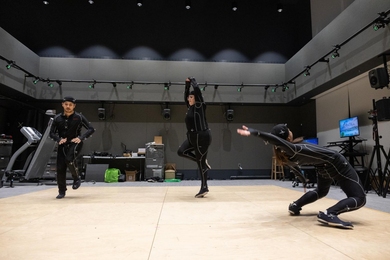
MIT.nano Immersion Lab collaborates with Emerson College students to advance the art of virtual production.
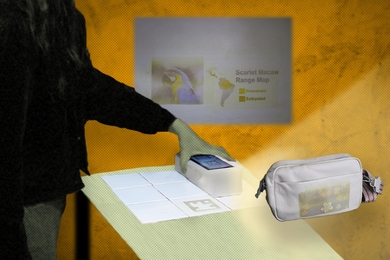
The portable “ChromoLCD” device combines LCD and LED lighting to customize high-quality designs onto things like shirts and whiteboards.

Professor of the practice Carlo Ratti designed this year’s Olympic torch with the ethos and principles he brings to his work at MIT.
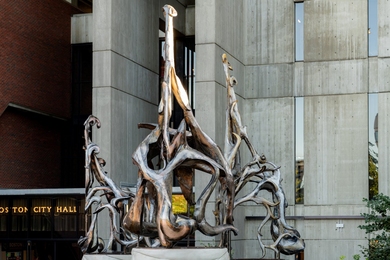
The MIT lecturer and artist-in-residence transformed hundreds of inscribed and hammered steel plates into “Amulet,” a soaring public artwork at City Hall Plaza.
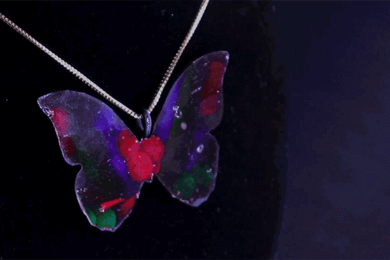
“MorphoChrome,” developed at MIT, pairs software with a handheld device to make everyday objects iridescent.
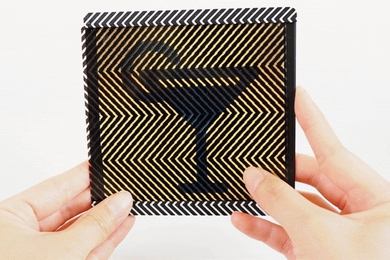
The FabObscura system helps users design and print barrier-grid animations without electronics, and can help produce dynamic household, workplace, and artistic objects.

Jay Keyser’s new book, “Play It Again, Sam,” makes the case that repeated motifs enhance our experience of artistic works.

A new method can physically restore original paintings using digitally constructed films, which can be removed if desired.

SketchAgent, a drawing system developed by MIT CSAIL researchers, sketches up concepts stroke-by-stroke, teaching language models to visually express concepts on their own and collaborate with humans.