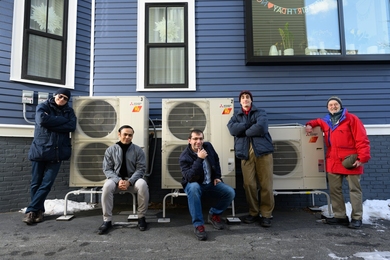
Reducing carbon emissions from residential heating: A pathway forward
A new MIT study identifies steps that can lower not only emissions, but also costs, across the combined electric power and natural gas industries that now supply heating fuels.
A new MIT study identifies steps that can lower not only emissions, but also costs, across the combined electric power and natural gas industries that now supply heating fuels.

In a new MIT course co-taught by EECS and philosophy professors, students tackle moral dilemmas of the digital age.

“We need to both ensure humans reap AI’s benefits and that we don’t lose control of the technology,” says senior Audrey Lorvo.

The consortium will bring researchers and industry together to focus on impact.
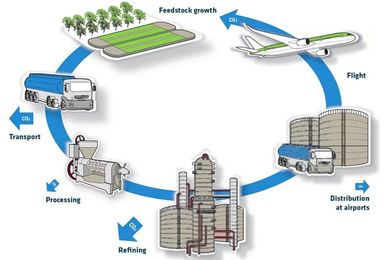
Special report describes targets for advancing technologically feasible and economically viable strategies.

Providing electricity to power-hungry data centers is stressing grids, raising prices for consumers, and slowing the transition to clean energy.
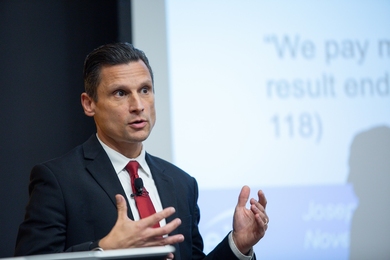
At the MITEI Fall Colloquium, the administrator of the US Energy Information Administration explained why long-term energy models are not forecasting tools — and why they’re still vitally important.

A better understanding of construction industry stakeholders’ motivations can lead to greater adoption of circular practices.

First organized MIT delegation highlights the Institute's growing commitment to addressing climate change by showcasing research on biodiversity conservation, AI, and the role of local communities.
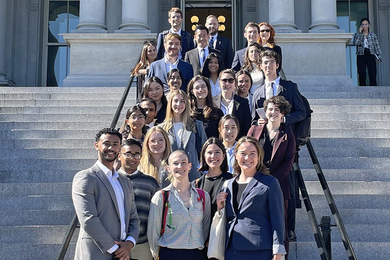
MIT students traveled to Washington to speak to representatives from federal executive agencies.
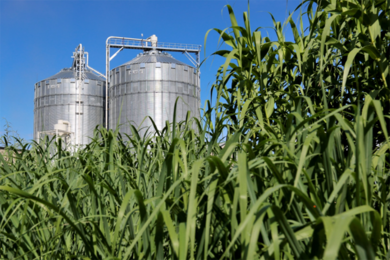
Study shows how smart policies could address competing land-use needs.
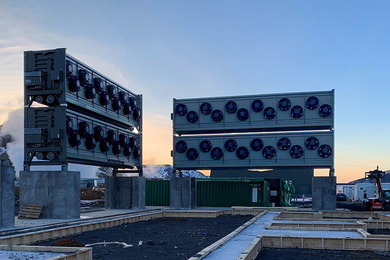
Study finds many climate-stabilization plans are based on questionable assumptions about the future cost and deployment of “direct air capture” and therefore may not bring about promised reductions.
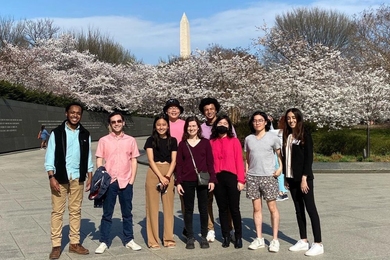
Alumni and founders of MIT Washington Summer Internship Program reflect on three decades of impact.

The MIT Energy Initiative and a consortium of Taiwanese companies are exploring how Taiwan can secure its energy future as the world transitions away from fossil fuels.

Researchers in the MIT Initiative on Combatting Systemic Racism are building an open data repository to advance research on racial inequity in domains like policing, housing, and health care.