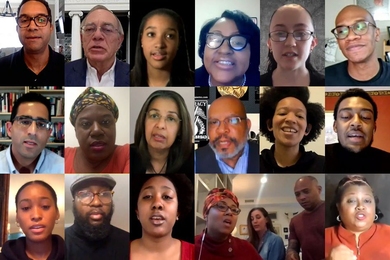
In online vigil, MIT community shares grief, anger, and hope
“If you say you care about the injustice in this nation and in this world, you have a role to play,” said Associate Dean DiOnetta Jones Crayton.
“If you say you care about the injustice in this nation and in this world, you have a role to play,” said Associate Dean DiOnetta Jones Crayton.

The online ceremony featured virtual reality, crowdsourced music, a surprise visit from space, and more.
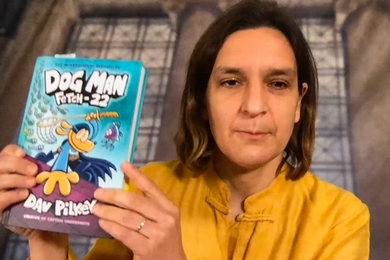
"Pick your issue [to address], and go for it with all your heart, all your mind, and all your knowledge," Duflo told graduates.

"Find your calling! Solve the unsolvable! Invent the future! Take the high road," Reif urged graduates. "And you will continue to make your family, including your MIT family, proud."
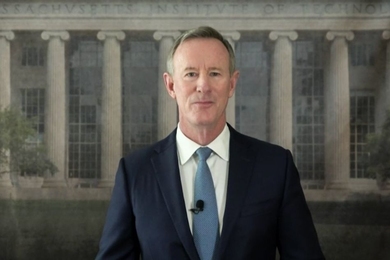
"To save the world, you will have to be men and women of great integrity," McRaven told graduates.
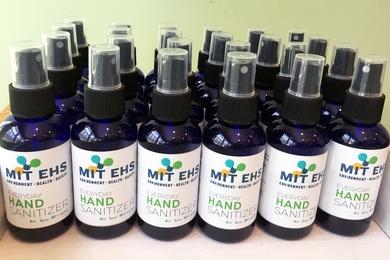
MIT Environment, Health and Safety Office responds to national shortage by producing, testing, and distributing its own product for the MIT community.
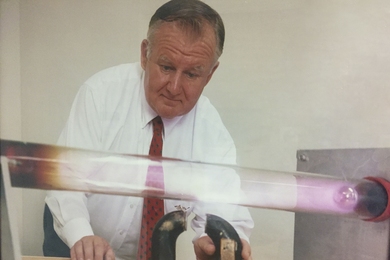
Beloved educator and former technical supervisor at the Plasma Science and Fusion Center brought hands-on science experiences to students of all ages.

The former special advisor to two Japanese prime ministers fostered US-Japan relations.

Decisions on when to return to campus await more information but may involve a phased process and continued precautions.
![Kyle Filipe working from home. "Our mentality is: keep telling us what you need and we'll keep trying to figure out creative solutions. That’s what [MIT IS&T] did before Covid-19 and that’s what we’ll do long after Covid-19.”](/sites/default/files/styles/term_page__news_article/public/images/202005/kyle-filipe-information-services-and-technology.jpg?itok=38e7E4AY)
Director of IT support services for MIT Information Systems and Technology describes how his unit mobilized to prepare the MIT community for our new virtual landscape.
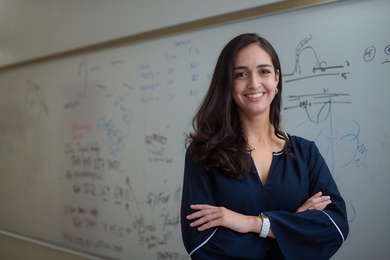
Postdoc Izabella Pena uses social media to combat the infodemic about the Covid-19 pandemic.


