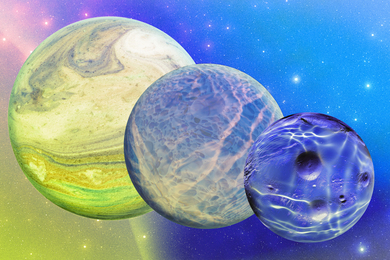
Planets without water could still produce certain liquids, a new study finds
Lab experiments show “ionic liquids” can form through common planetary processes and might be capable of supporting life even on waterless planets.
Lab experiments show “ionic liquids” can form through common planetary processes and might be capable of supporting life even on waterless planets.
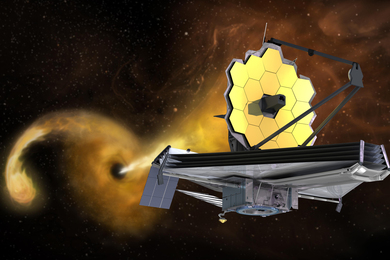
Unlike active galaxies that constantly pull in surrounding material, these black holes lie dormant, waking briefly to feast on a passing star.
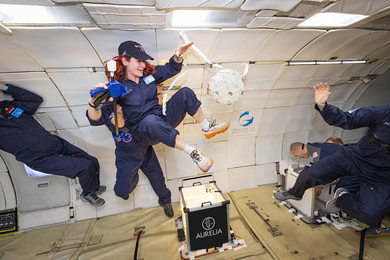
Aurelia Institute, founded by a team from MIT, serves as a research lab, an education and outreach center, and a policy hub for the space industry.
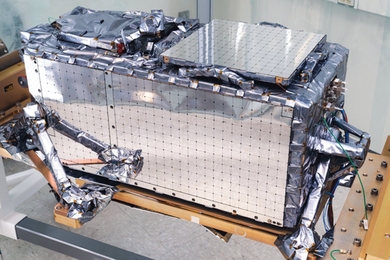
MIT Lincoln Laboratory developed the system, launched recently aboard the QZSS-HP satellite, for a collaborative effort between the US Space Force and Japan.
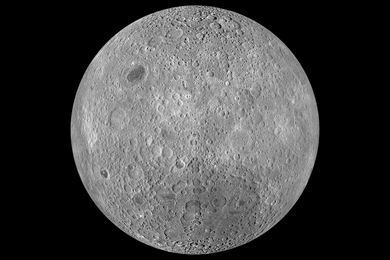
A large impact could have briefly amplified the moon’s weak magnetic field, creating a momentary spike that was recorded in some lunar rocks.
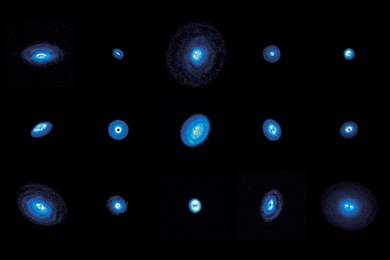
Led by Assistant Professor Richard Teague, a team of international astronomers has released a collection of papers and public data furthering our understanding of planet formation.
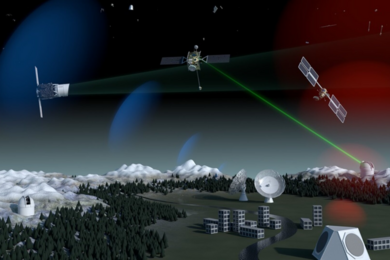
Researchers share the design and implementation of an incentive-based Space Sustainability Rating.
New phase will support continued exploration of ideas and solutions in fields ranging from AI to nanotech to climate — with emphasis on educational exchanges and entrepreneurship.

MIT students and faculty designed and fabricated a control room for a unique lunar landing mission — an achievement in design and engineering.

The small and rocky lava world sheds an amount of material equivalent to the mass of Mount Everest every 30.5 hours.
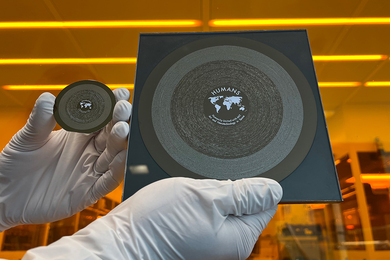
Professor Craig Carter’s precision design for a student-led project now on the moon encodes messages from around the world on a silicon wafer.
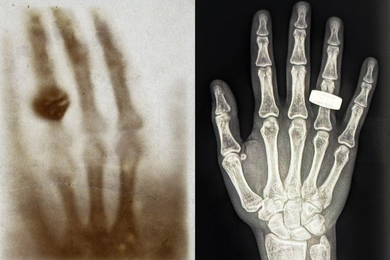
Performed in microgravity, 200 miles above the Earth’s surface, the imaging procedure could help keep astronauts safe and healthy on long-term missions.

The fellowship supports research contributing to the field of planetary science and astronomy.
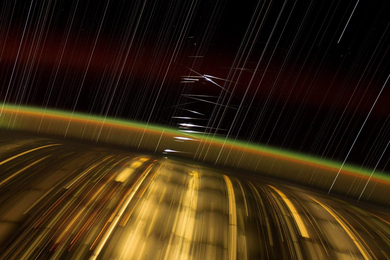
Increasing greenhouse gas emissions will reduce the atmosphere’s ability to burn up old space junk, MIT scientists report.
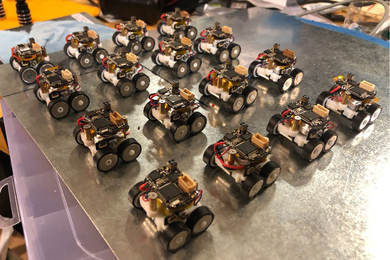
Data from the devices will help future astronauts navigate the moon’s south polar region and search for frozen water.