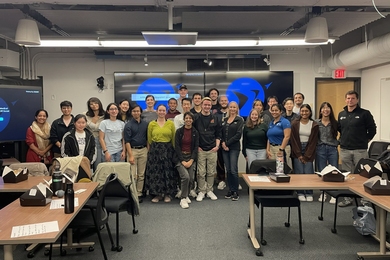
For students with their sights set on space medicine, a new community takes flight
MIT’s Doctors Without Gravity club connects health and space science enthusiasts.
MIT’s Doctors Without Gravity club connects health and space science enthusiasts.
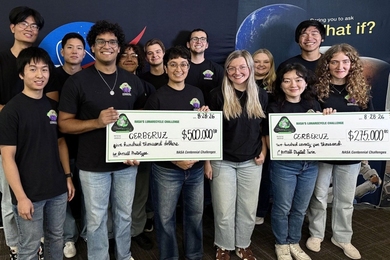
The team took first prize in both the Prototype and Digital Twin tracks for its lunar waste recycling system.

Over two decades at MIT, Hamilton forged new paths in computer science and engineering. Her groundbreaking work included leading the team that programmed the first computers that took humans to the moon.
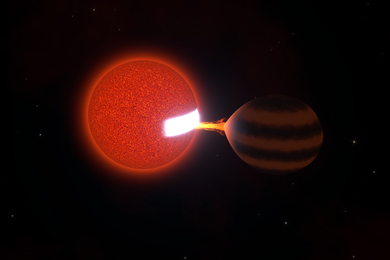
The discovery reveals a new way that stars and planetary companions can interact.
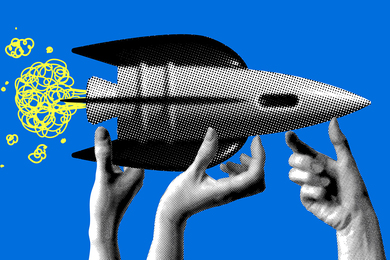
An industry report published by students in an MIT aerospace entrepreneurship class lays out guidance for aspiring space leaders and investors.
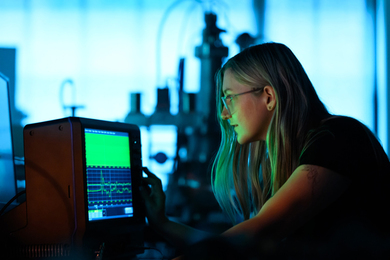
PhD candidate Lanie McKinney is building technology to convert the Red Planet’s atmosphere into propellant for bringing astronauts home.

Inaugural artist Amy Karle will join astrophysicists at MIT’s Kavli Institute to explore questions about the universe and translate them into an immersive multimedia experience.
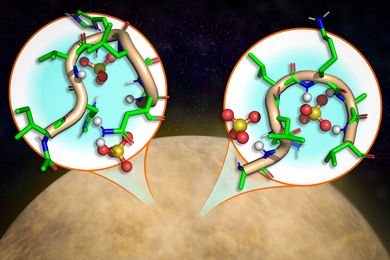
New research offers support for the possibility that complex biological molecules could exist in the highly acidic environment of Venus’s cloud layer.
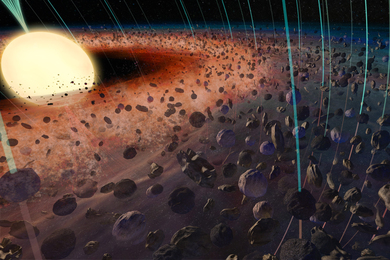
The discovery likely represents the earliest known evidence of a magnetic field in the infant solar system.

The MIT Haystack Observatory principal research scientist is honored for lifetime contributions to ionospheric research.
A new online platform helps engineers look beyond survival mode when designing habitats for extreme living conditions.
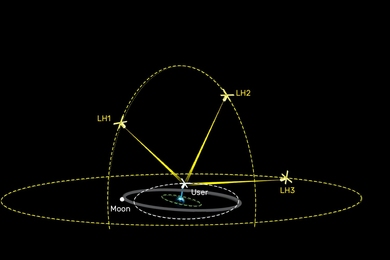
Acting as cooperative optical beacons, the satellites could provide GPS-like navigation and communications support for spacecraft operating across cislunar space.
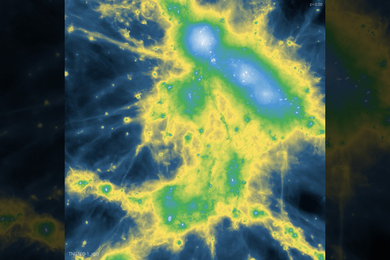
An MIT-led team used bright radio bursts to illuminate a vast source of matter that was previously unaccounted for.
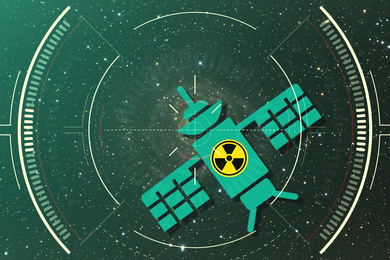
The 1967 Outer Space Treaty bans nuclear weapons in space, but there’s currently no way to verify that satellites aren’t carrying them.
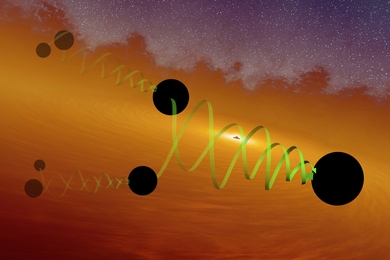
Physicists have found signs of colliding black holes that are themselves products of previous black hole smash-ups.