How an MIT research project became a global programming language
With millions of users across the world, Julia has been used to conduct cutting-edge research and to design new drugs, jet engines, heat pumps, and more.
With millions of users across the world, Julia has been used to conduct cutting-edge research and to design new drugs, jet engines, heat pumps, and more.
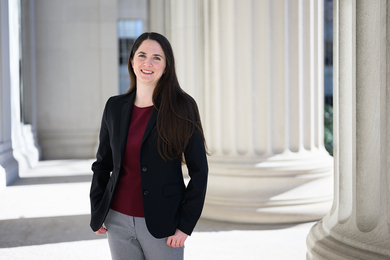
PhD student Lauren Fortier is building on the experience she gained operating a nuclear plant for the Navy to solve a critical hurdle in the wider adoption of the energy source.
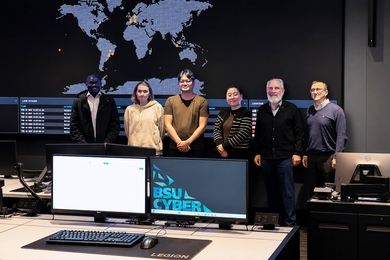
Students from the MIT Cybersecurity Clinic help local governments and other vulnerable organizations defend against digital threats.

A USAF cadet and a Lincoln Laboratory researcher found AI chatbots can help nontechnical service members produce viable software applications for their unique problems.
A new system, known as Murakkab, optimizes the design and deployment of multistep workflows that power AI applications.
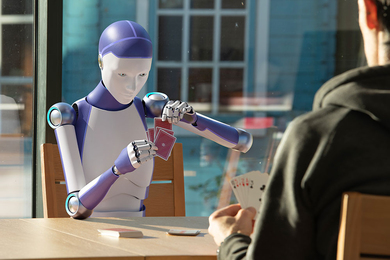
Researchers show that for certain kinds of games, an overlooked class of algorithms performs much better than expected.
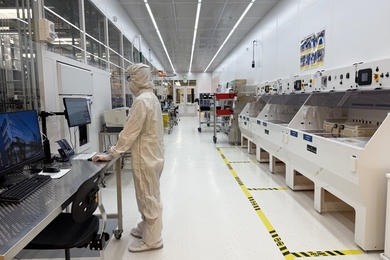
NanoFab Equipment Management and Operations (NEMO) system streamlines shared facilities management via tool trainings, reservations, and lab communications.

The influential first leader of the Computation Structures Group at MIT played a key role in the development of asynchronous computing.
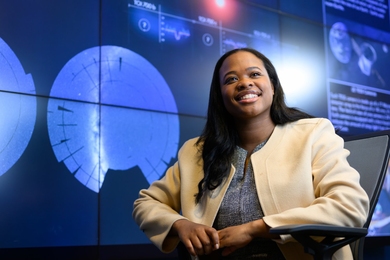
PhD student Carissma McGee studies exoplanets and examines intellectual property frameworks for space collaborations.
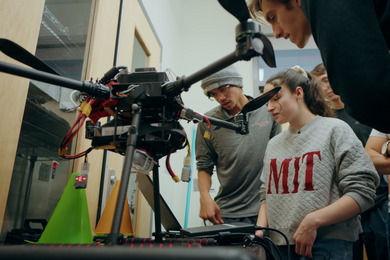
In 16.85 (Design and Testing of Autonomous Vehicles), AeroAstro students build software that allows autonomous flight vehicles to navigate unknown environments.
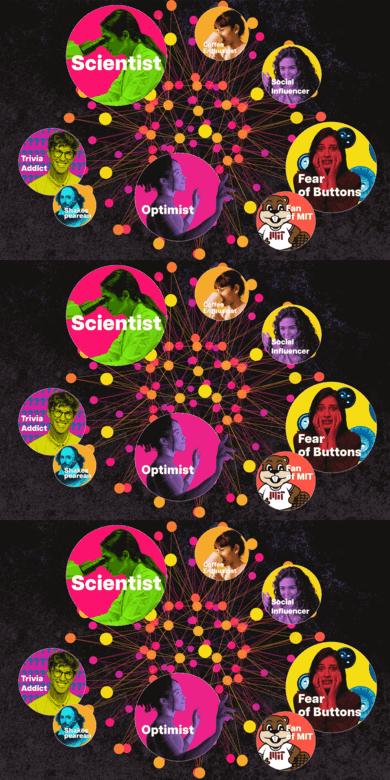
A new method developed at MIT could root out vulnerabilities and improve LLM safety and performance.
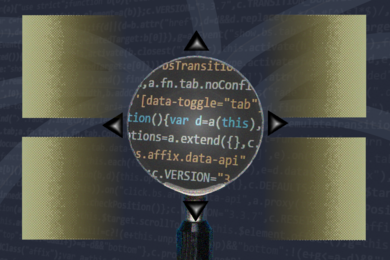
EnCompass executes AI agent programs by backtracking and making multiple attempts, finding the best set of outputs generated by an LLM. It could help coders work with AI agents more efficiently.

Founded by two MIT alumni, Samsara’s platform gives companies a central hub to learn from their workers, equipment, and other infrastructure.
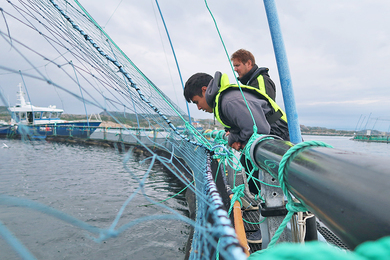
AquaCulture Shock program, in collaboration with MIT-Scandinavia MISTI, offers international internships for AI and autonomy in aquaculture
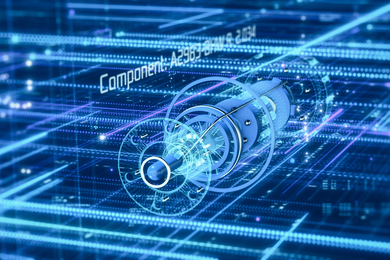
The virtual VideoCAD tool could boost designers’ productivity and help train engineers learning computer-aided design.