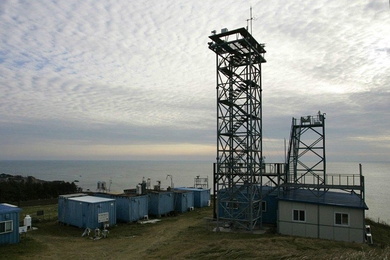
Scientists discover the source of new CFC emissions
Despite global phase-out, the ozone-depleting chemical is still in production in eastern China.
Despite global phase-out, the ozone-depleting chemical is still in production in eastern China.
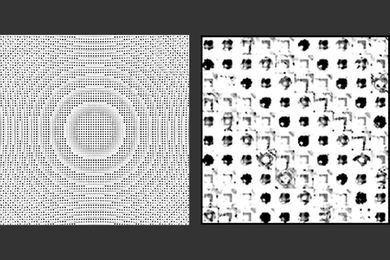
“Metasurfaces” that manipulate light at tiny scales could find uses in cellphone lenses, smart-car sensors, and optical fibers.

Multilevel Mars greenhouse could provide food to sustain astronauts for several years.
Through computing, senior and Marshall Scholar Anna Sappington seeks answers to biological questions.
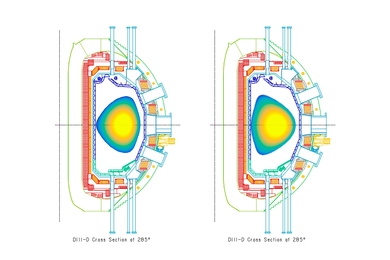
Research scientist Alessandro Marinoni shows that reversing traditional plasma shaping provides greater stability for fusion reactions.
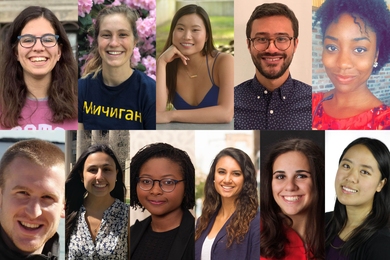
Grantees will spend the 2019-2020 academic year pursuing research and teaching opportunities abroad.
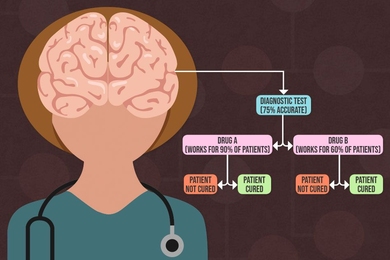
Neuroscientists identify a brain circuit that helps break decisions down into smaller pieces.
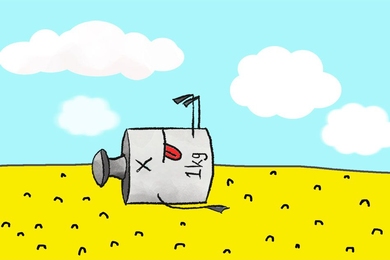
An old artifact kept in a vault outside Paris is no longer the standard for the kilogram. Now, nature itself provides the definition.
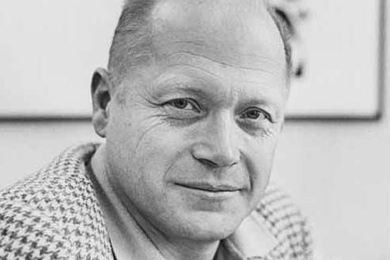
A theoretical meteorology pioneer, Phillips showed that numerical models could predict weather and developed the first general circulation model of Earth’s climate.
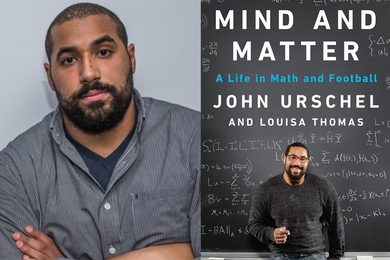
“Being capable of thinking quantitatively — it’s the single most important thing,” says the former NFL lineman.
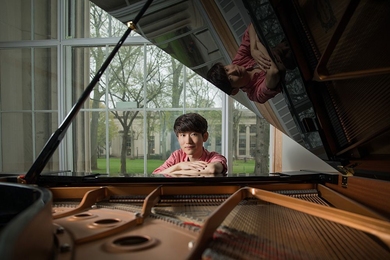
At the piano and in the lab, double major Tony Zhang is driven by curiosity and creativity.

Region dominates the transfer of heat from the equator to the poles in both hemispheres, challenging the "great conveyor belt" model.
On Monday, May 20, Professor and Nobel laureate Wolfgang Ketterle will explain the new standards of measurement for mass, charge, temperature, and mole.
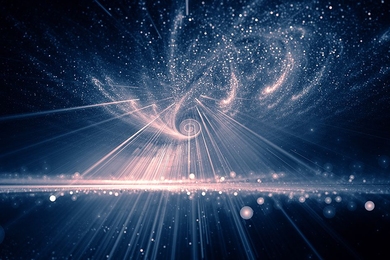
New dual-cavity design emits more single photons that can carry quantum information at room temperature.
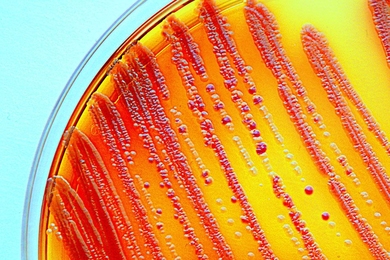
Study finds that competition between bacterial species can be upended when conditions deteriorate.