
Cities of the future may be built with locally available volcanic ash
Study finds adding volcanic ash reduces the overall energy required to manufacture concrete.
Study finds adding volcanic ash reduces the overall energy required to manufacture concrete.
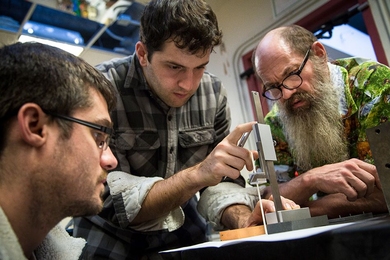
Class brings together MIT students and clinicians from local hospitals to design medical devices that address real-world health needs.
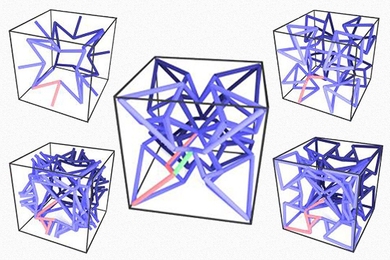
With new approach, researchers specify desired properties of a material, and a computer system generates a structure accordingly.
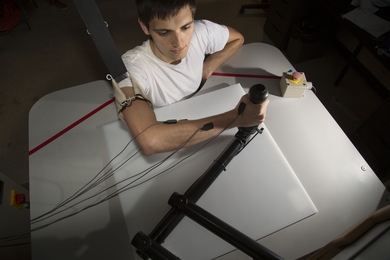
Mechanical engineering researchers are developing new and innovative ways to improve health care.
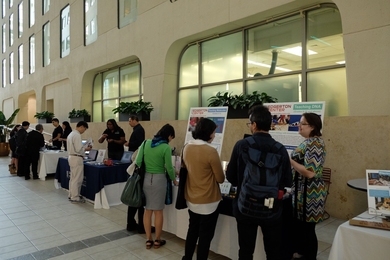
Funding is available to MIT faculty to support educational innovations in pre-K-12, Higher Education, and Workplace Learning.
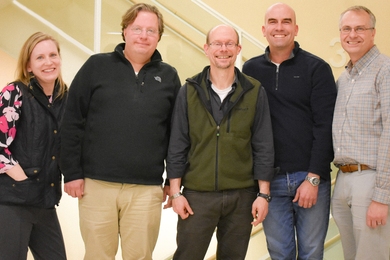
New cancer research initiative eyes individualized treatment for patients.
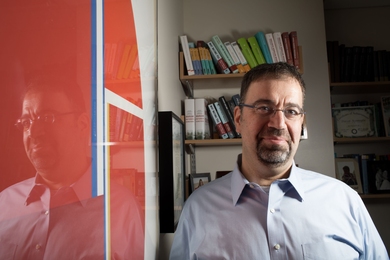
"We need to look to the past in the face of modern innovations in machine learning, robotics, artificial intelligence, big data, and beyond," says the economist.

Prize recognizes contributions to biomedical research made by immigrant scientists.
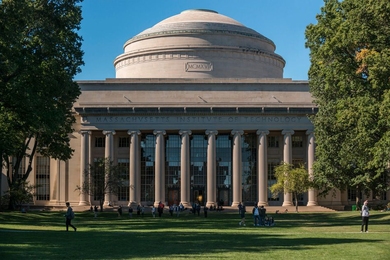
New Institute-wide initiative will advance human and machine intelligence research.
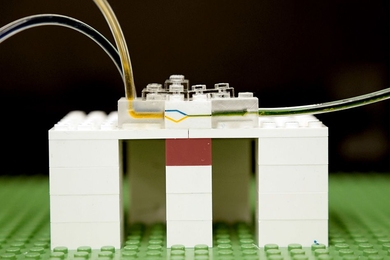
MIT engineers make microfluidics modular using the popular interlocking blocks.

MIT students work to improve ski goggles to mitigate the hazards of “flat light.”

Blog writing workshop for graduate students offers practical tips, helping them create a window into real life at MIT.
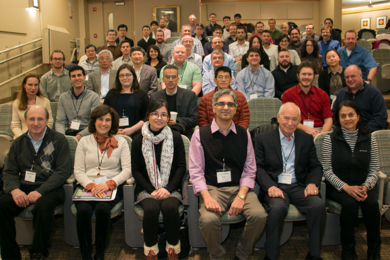
AIM Photonics Academy winter session draws over 60 participants from industry and academia.
CSAIL system uses custom ink and ultraviolet light to repeatedly change an object's color.
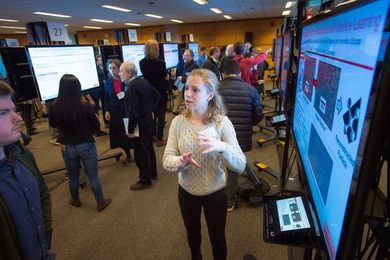
More than 130 MIT juniors and seniors dig deeply into research in the Advanced Undergraduate Research Program (SuperUROP).