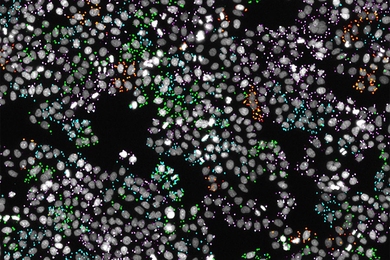
Imaging combined with genetic screening of cells enhances genomic discoveries
New image-based genetic screening method helps researchers identify key regulators of inflammation.
New image-based genetic screening method helps researchers identify key regulators of inflammation.
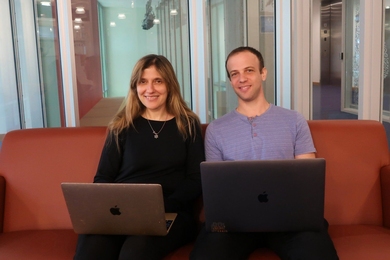
New research reveals biases in fake news datasets and improves the use of automatic detectors.
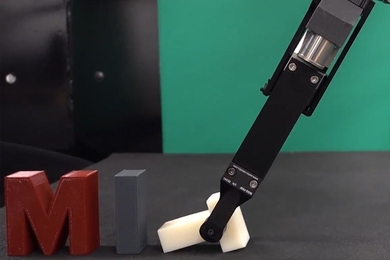
An algorithm speeds up the planning process robots use to adjust their grip on objects, for picking and sorting, or tool use.

Model could recreate video from motion-blurred images and “corner cameras,” may someday retrieve 3D data from 2D medical images.
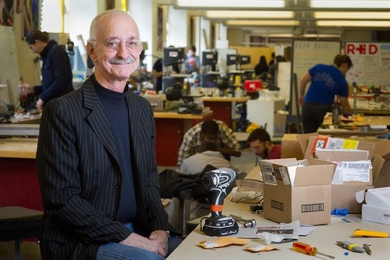
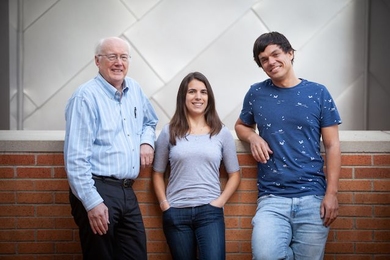
Beloved teacher and pioneer in hands-on engineering education developed design and robotics competitions at MIT, FIRST, and beyond, while promoting his concept of “gracious professionalism.”

Specialized sugar molecules called glycans can disarm opportunistic pathogens and prevent infection.
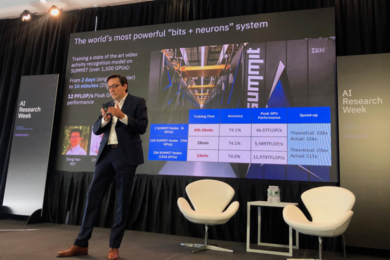
MIT and IBM researchers offer a new method to train and run deep learning models more efficiently.
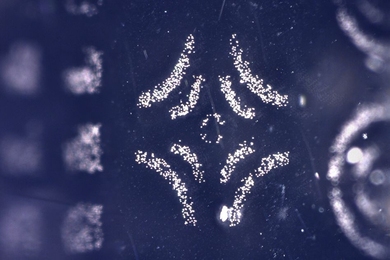
New technique could enable assembly of circuit boards and displays with more minute components.
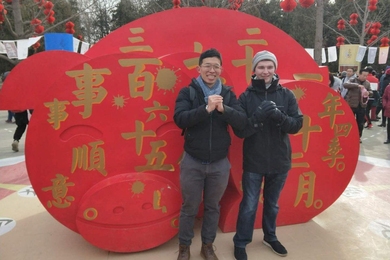
MIT senior's longstanding passion for Mandarin leads to a hands-on taste of the complexities of functioning in a Chinese business context.
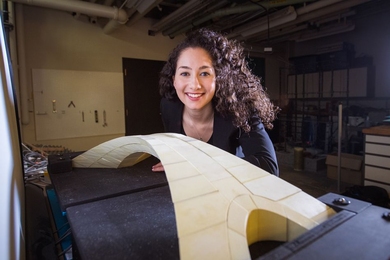
Proposed bridge would have been the world’s longest at the time; new analysis shows it would have worked.
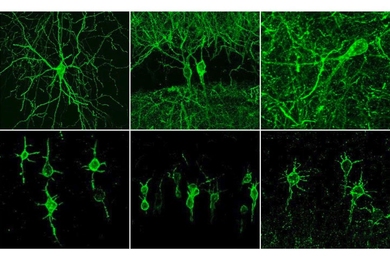
Fluorescent probe could allow scientists to watch circuits within the brain and link their activity to specific behaviors.
Model from the Computer Science and Artificial Intelligence Laboratory identifies “serial hijackers” of internet IP addresses.

Six scholars and professors are spending this academic year in engagement with the MIT community.
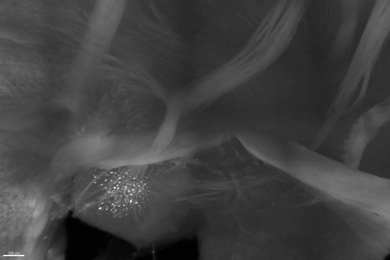
Clumps of amyloid protein emerge early in deep regions, such as the mammillary body, and march outward in the brain along specific circuits.
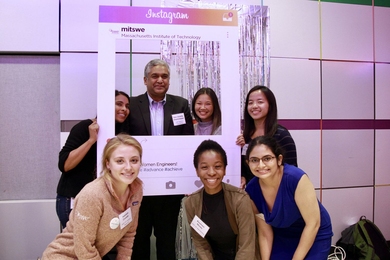
For four decades, one of MIT’s largest undergraduate organizations has served as a community of women empowerment and diversity in STEM fields.