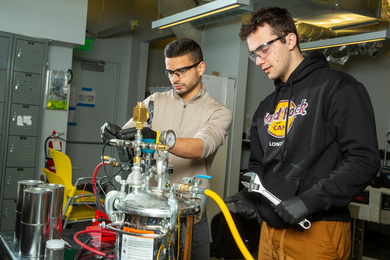
A recipe for zero-emissions fuel: Soda cans, seawater, and caffeine
MIT engineers have developed a fast and sustainable method for producing hydrogen fuel using aluminum, saltwater, and coffee grounds.
MIT engineers have developed a fast and sustainable method for producing hydrogen fuel using aluminum, saltwater, and coffee grounds.

Genomics and lab studies reveal numerous findings, including a key role for Reelin amid neuronal vulnerability, and for choline and antioxidants in sustaining cognition.

Introducing structured randomization into decisions based on machine-learning model predictions can address inherent uncertainties while maintaining efficiency.

MAIA is a multimodal agent that can iteratively design experiments to better understand various components of AI systems.

Analysis and materials identified by MIT engineers could lead to more energy-efficient fuel cells, electrolyzers, batteries, or computing devices.

A new study shows someone’s beliefs about an LLM play a significant role in the model’s performance and are important for how it is deployed.

The model could help clinicians assess breast cancer stage and ultimately help in reducing overtreatment.

Two studies pinpoint their likely industrial sources and mitigation opportunities.

An MIT team uses computer models to measure atomic patterns in metals, essential for designing custom materials for use in aerospace, biomedicine, electronics, and more.

Neural network controllers provide complex robots with stability guarantees, paving the way for the safer deployment of autonomous vehicles and industrial machines.

The planet’s wild orbit offers clues to how such large, hot planets take shape.
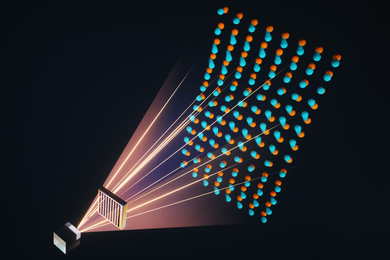
The approach could help engineers design more efficient energy-conversion systems and faster microelectronic devices, reducing waste heat.

A new technique enables users to compare several large models and choose the one that works best for their task.

Bernardo Picão, a graduate student in physics, has turned to MIT Open Learning’s resources throughout his educational journey.
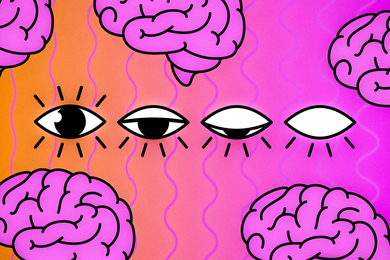
Propofol, a drug commonly used for general anesthesia, derails the brain’s normal balance between stability and excitability.