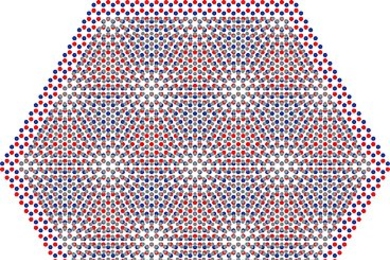
Stacking 2-D materials produces surprising results
New experiments reveal previously unseen effects, could lead to new kinds of electronics and optical devices.
New experiments reveal previously unseen effects, could lead to new kinds of electronics and optical devices.
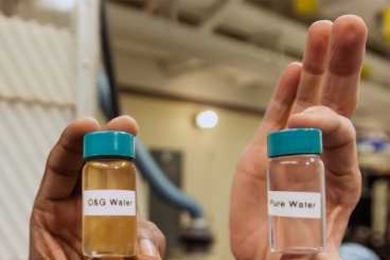
Humidification-dehumidification (HDH) carrier gas extraction process developed by researchers at MIT.
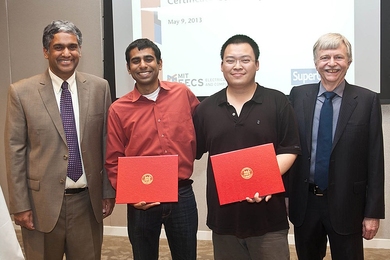
EECS program immerses undergraduates in advanced research projects.
Field, Kac, Vogan and Walker bring to 76 the number of Institute faculty who are NAS members.
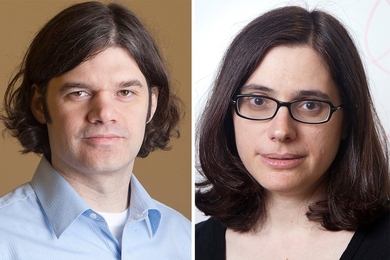
Peter Reddien and Aviv Regev are among 27 top biomedical scientists selected nationwide.
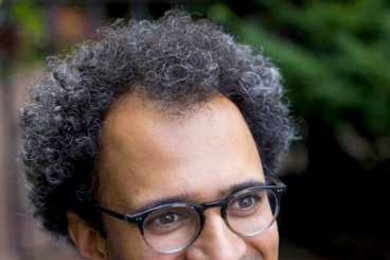
For exceptional distinction in teaching and research
Alexander-Katz, Detmold, Fu, Tisdale and Williams honored by Office of Science of the Department of Energy.
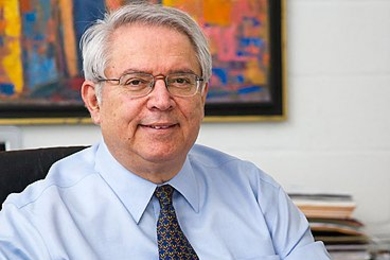
A look at the Center for Advanced Nuclear Energy Systems
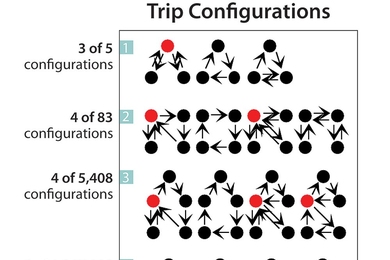
A population-level study discovers small-scale details about individuals’ choices.
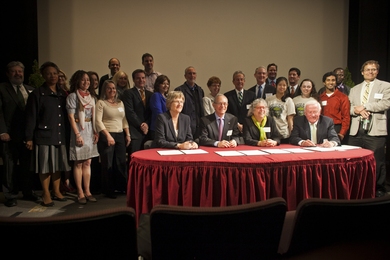
Akamai to join universities and city in new agreement; others encouraged to follow suit.
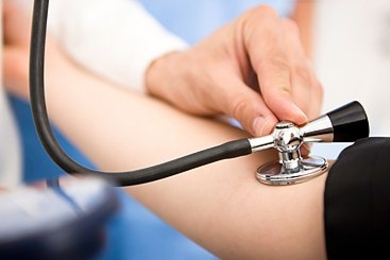
Study: Health insurance helps lower-income Americans avoid depression, diabetes, major financial shocks.
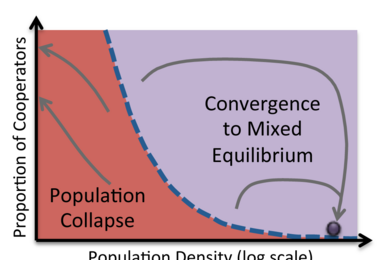
MIT researchers find that high ratio of freeloaders makes it more likely colony will die from sudden shock to environment.
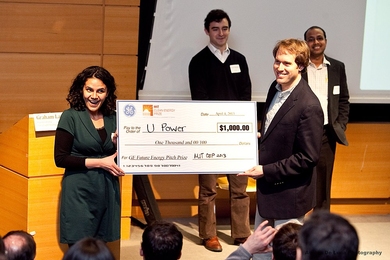
Future Energy @ MIT pitch competition focuses on finding solutions to the world’s energy challenges
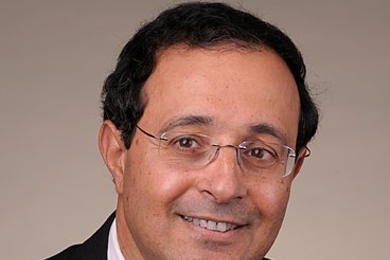
Publication cites CEE professor's contributions to theoretical and practical aspects of supply-chain management