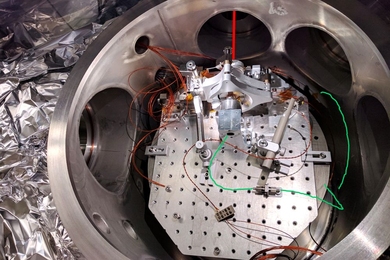
Quantum measurement could improve gravitational wave detection sensitivity
Research could enable a new suite of experiments to measure quantum activity at room temperature.
Research could enable a new suite of experiments to measure quantum activity at room temperature.

Gifts to MIT and Harvard Medical School totaling $9 million will fund independent research on cannabinoid’s influence on brain health and behavior.
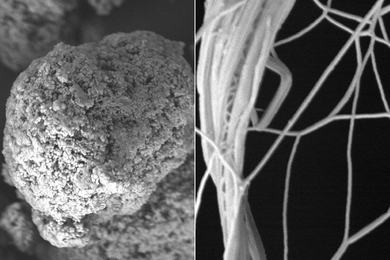
Material may replace many metals as lightweight, flexible heat dissipators in cars, refrigerators, and electronics.
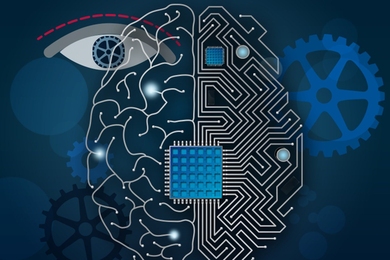
The DiCarlo lab finds that a recurrent architecture helps both artificial intelligence and our brains to better identify objects.

Tiny robots powered by magnetic fields could help drug-delivery nanoparticles reach their targets.
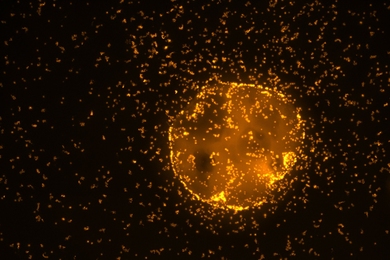
Associate Professor Otto Cordero and colleagues discover simple assembly rules for marine microbiomes.
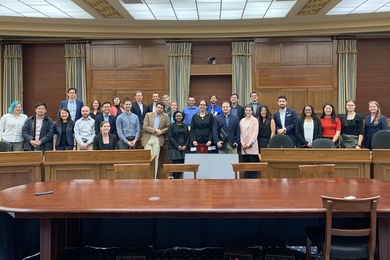
Students and postdocs from MIT's Science Policy Initiative meet with lawmakers on science-engineering-technology Congressional Visit Days 2019.
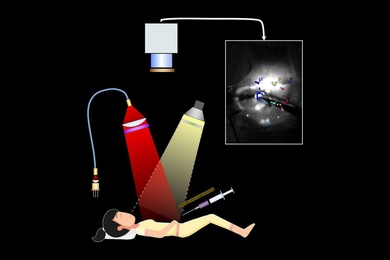
More effective surgery could boost survival rates for ovarian cancer.
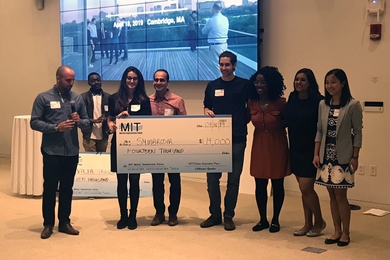
Student-led startups Symbrosia and SiPure each awarded a $14,000 grand prize.
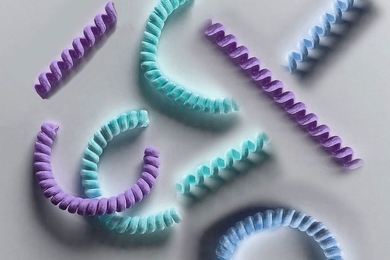
Twisted fibers coated with living cells could assist healing of injured muscles and tendons.
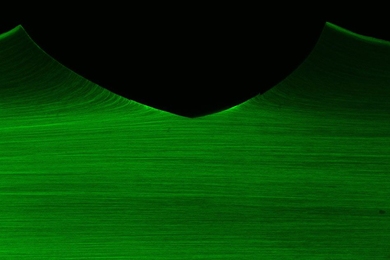
Mechanical “training” produces strong, fatigue-resistant, yet soft hydrogels with possible uses in medicine.
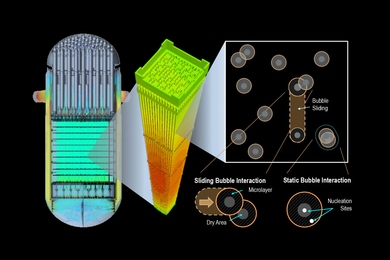
High-fidelity simulations by MIT nuclear researchers point the way to optimizing heat transfer in current and next-generation reactors.

A new method identifies opportunities to learn and adapt to changing temperature and precipitation trends.
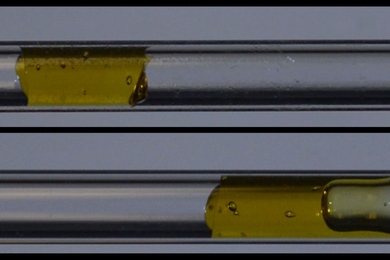
Engineered surface treatment developed at MIT can reduce waste and improve efficiency in many processes.
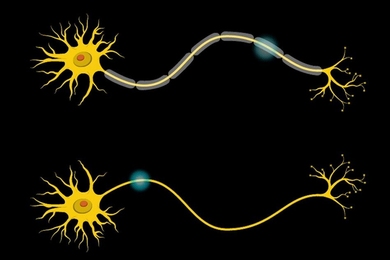
Mouse study yields insights into the rare condition, may shed light on other neurological disorders.