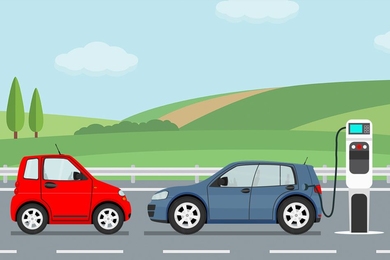
What’s the best way to cut vehicle greenhouse-gas emissions?
Study finds that in some locations, lightweight gas-powered cars could have a bigger emissions-reducing impact than electric ones.
Study finds that in some locations, lightweight gas-powered cars could have a bigger emissions-reducing impact than electric ones.

New technique could help doctors determine whether patients are at risk from elevated pressure.
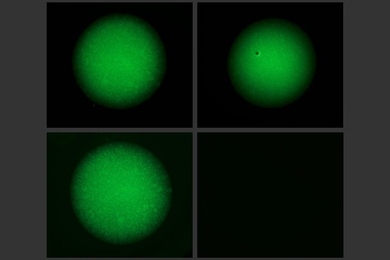
Smart materials change properties in response to specific DNA sequences; could be used in a variety of devices.

Making electrophysiology more informative, team shows how to distinguish four classes of cells by spike waveform.

When the Hajj comes in summertime, in some years it may not be safe for participants to remain outdoors.

Molecules called ketone bodies may improve stem cells’ ability to regenerate new intestinal tissue.
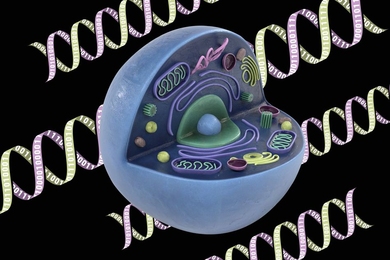
Engineers program human and bacterial cells to keep a record of complex molecular events.

MIT system “learns” how to optimally allocate workloads across thousands of servers to cut costs, save energy.

Submerged system uses the vibration of “piezoelectric” materials to generate power and send and receive data.

With help from next-generation particle accelerators, the approach may nail down the rate of oxygen production in the universe.
MIT researchers have developed a new technique to reveal the uncharted dynamics of electrons in materials.

Study reports on search for an atmosphere around a planet somewhat similar to ours.
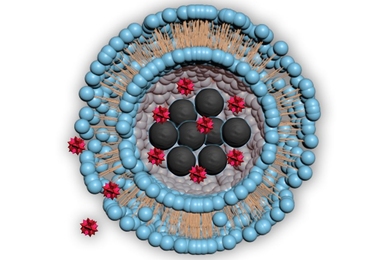
Magnetic particles allow drugs to be released at precise times and in specific areas.
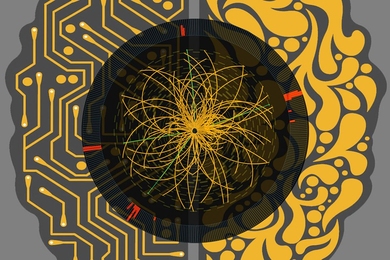
Prototype machine-learning technology co-developed by MIT scientists speeds processing by up to 175 times over traditional methods.

“Risk-aware” traffic engineering could help service providers such as Microsoft, Amazon, and Google better utilize network infrastructure.