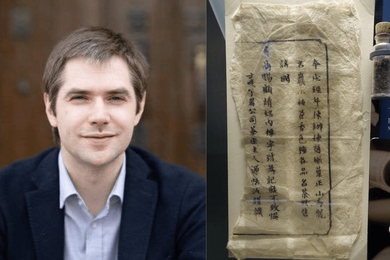
The mystery of the Chinese tea chest label
MIT historian Tristan Brown uncovers the true origins of an artifact once thought to be a relic of the Boston Tea Party.
MIT historian Tristan Brown uncovers the true origins of an artifact once thought to be a relic of the Boston Tea Party.
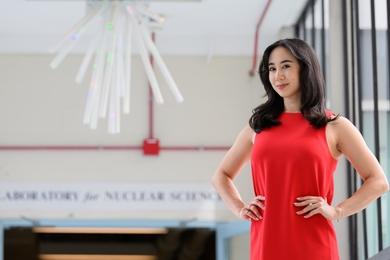
From Broadway to MIT’s Laboratory for Nuclear Science, PhD student Jessica Fry doesn’t do anything halfway. Now she’s hunting for the universe’s most elusive particle.
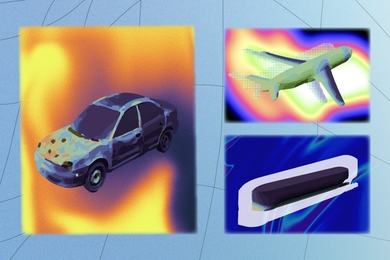
“GeoPT” helps AI models understand the basics of physics so they can simulate how objects respond to things like wind and water more efficiently and accurately.

Acting as cooperative optical beacons, the satellites could provide GPS-like navigation and communications support for spacecraft operating across cislunar space.

Their new study aims to give budding industry a framework for understanding how fusion can be profitable.

The study could help scientists understand how superconductivity and other more complex phenomena emerge in quantum materials.
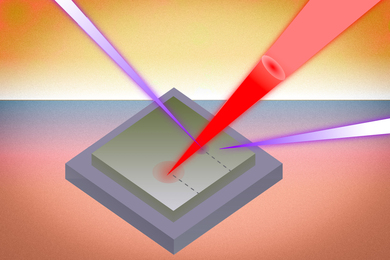
MIT researchers can now precisely measure how heat moves through multilayered materials like computer chips.
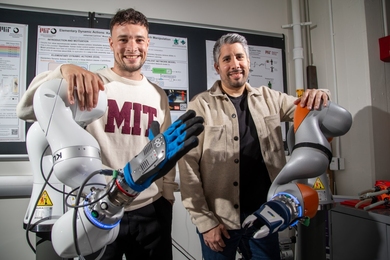
MIT engineers introduce an adaptive physical therapy system that uses generative AI to learn from physical therapists and interactively support stroke patients.
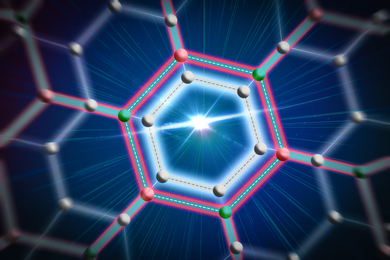
A new technique produces wafer-scale samples, overcoming a major roadblock to using these materials in quantum technologies.
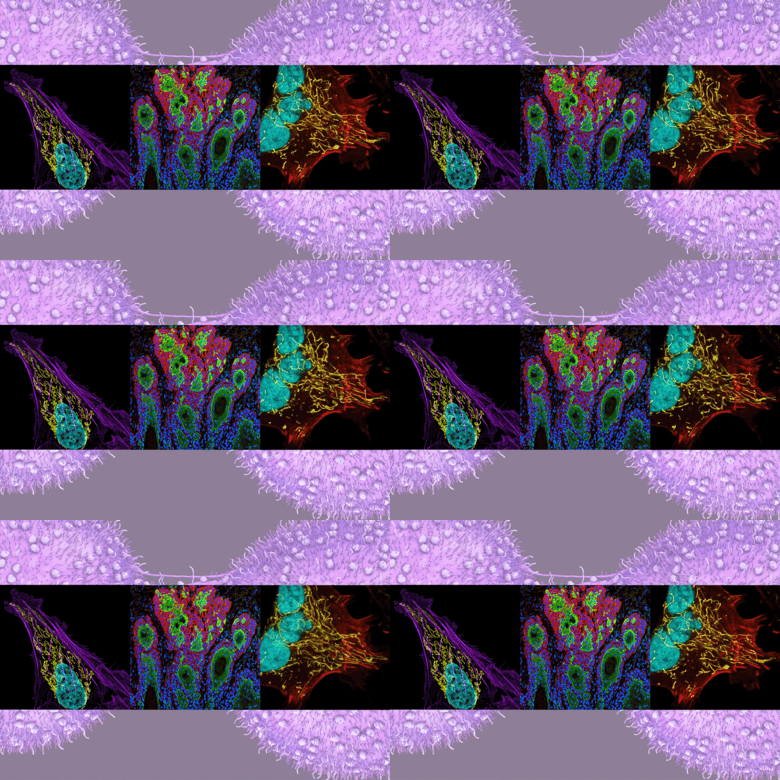
Derived from patient tumor samples and available to researchers around the world, the cells will aid the development of new cancer treatments.

The “ShiftLens” design and fabrication system creates objects that change their surface appearance based on user interactions, without any electronics.
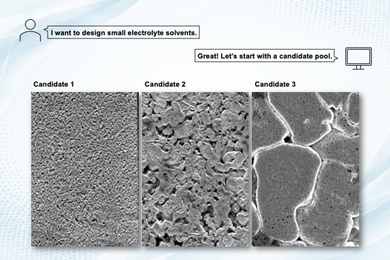
By focusing on electrolytes, MIT scientists are making sodium-metal batteries a more practical energy storage option.
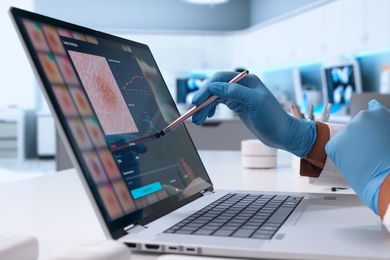
Study finds non-experts deferred to LLM-based diagnostic assistance, even when it was wrong, while clinicians caught AI errors.
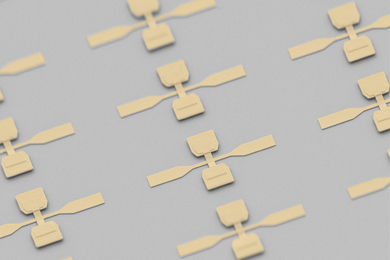
A new fabrication platform integrates molecules into electronic devices, opening the door to emerging computing technologies.

New findings could help researchers design synthetic catalysts that convert nitrogen gas to ammonia, a key step in fertilizer production.