
MIT engineers’ virtual violin produces realistic sounds
Based on the physics of how the instrument produces sound, the model could help violin makers in the design process.
Based on the physics of how the instrument produces sound, the model could help violin makers in the design process.

A new method could bring more accurate and efficient AI models to high-stakes applications like health care and finance, even in under-resourced settings.
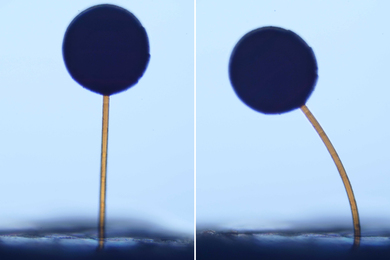
MIT researchers’ new fabrication technique can produce soft, microscopic structures with magnetically activated moving parts.
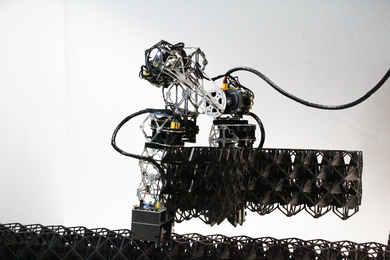
New research suggests constructing a simple building from interlocking subunits should be mechanically feasible and have a much smaller carbon footprint.

A new study reveals cellular pathways that appear to underlie some differences in physical fitness.
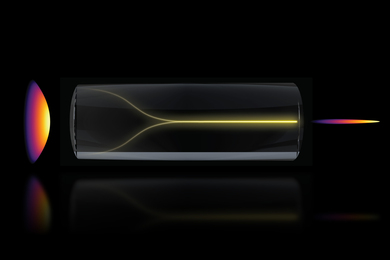
MIT researchers leveraged a surprise discovery to devise a faster and more precise biomedical imaging technique.

The “EnergAIzer” method generates reliable results in seconds, enabling data center operators to efficiently allocate resources and reduce wasted energy.

Ultra-efficient chip design enables extremely strong cryptography algorithms to run on energy-constrained edge devices.
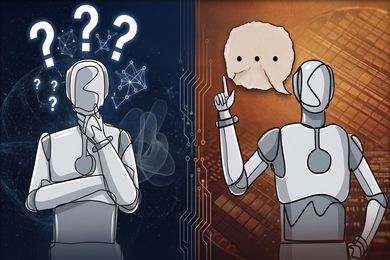
A new training method improves the reliability of AI confidence estimates without sacrificing performance, addressing a root cause of hallucination in reasoning models.
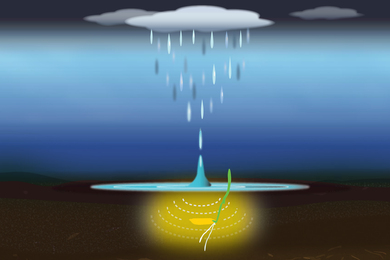
Experiments by MIT engineers show rice seeds sprout faster to the sound of rain.

The weird quantum behavior of subatomic particles can be understood through everyday classical ideas, MIT researchers show.

Philosopher Sam Berstler explains why we have social norms that let people engage in open deception.

MIT scientists create a detailed map of exactly what happens in the brains of C. elegans worms when they “follow their nose” to savor attractive odors or avoid unappealing ones.

Findings suggest that at the county level, rise in prices is due, in part, to the fact that new neighbors have a positive impact on K-12 education.
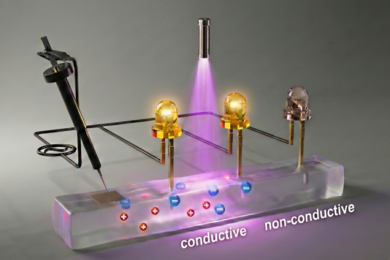
New MIT work advances the growing field of ionotronics, in which data are transferred through ions, potentially providing a bridge between electronics and biological tissue.