
NSF renews support for MIT-led AI and physics institute, expanding a new model for discovery
IAIFI enters its second phase with increased funding, broader ambitions, and a growing community at the frontier of AI and fundamental physics.
IAIFI enters its second phase with increased funding, broader ambitions, and a growing community at the frontier of AI and fundamental physics.

MIT researchers use the classic game as a test bed for AI agents, finding a small AI model can outperform the biggest ones at 1 percent of the cost.
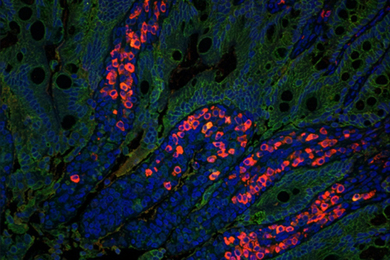
The adjuvant can help the injectable polio vaccine induce a strong immune response in the GI tract, which is considered critical to eradicating the virus.
Introducing weaker bonds into polystyrene and rubber helps these materials dissipate energy, making them more resistant to destructive forces.

The new ChartNet training dataset could improve the accuracy of vision-language models that help analyze business trends or interpret scientific figures.
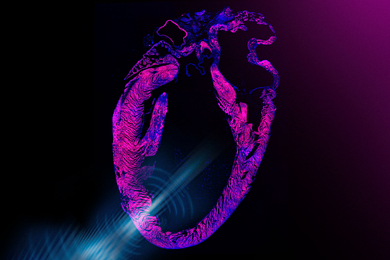
The new design could offer a surgery-free alternative to traditional cardiac implants.

Study shows the tradeoff between conservation and growth is less stark with a locally adjusted policy featuring both tradeable offsets and taxes.
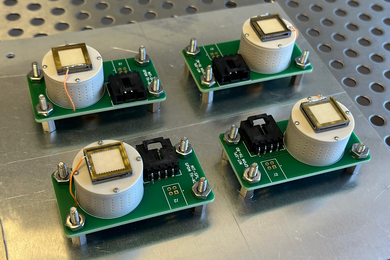
For satellites as small as a briefcase, getting around in space just got a whole lot easier.

MIT biologists find highly concentrated droplets can help cells keep enzymes organized and control growth signals.
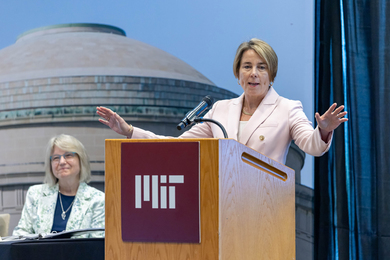
The Quantum Systems Laboratory will catalyze quantum innovation and be open to government, academic, and industry researchers.
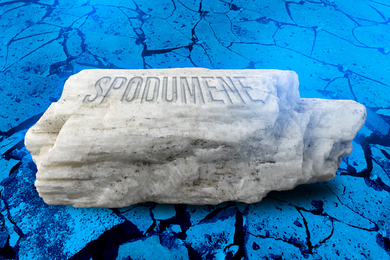
The low-temperature process could unlock cleaner lithium from America’s abundant hard rock while minimizing waste.
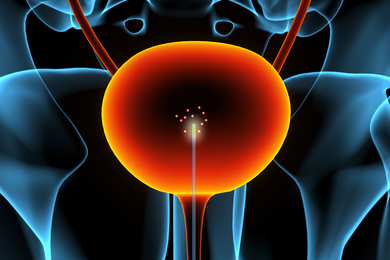
Using a catheter coated with carbon nanotubes, researchers can detect biomarkers produced by cancer cells in the bladder.

With $25 million investment from the Commonwealth of Massachusetts, MIT to build a new shared-use facility to serve as a statewide quantum toolbox.
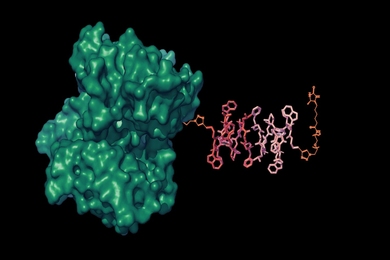
New MRI sensors developed at MIT sensitively detect target molecules in the brain and body.
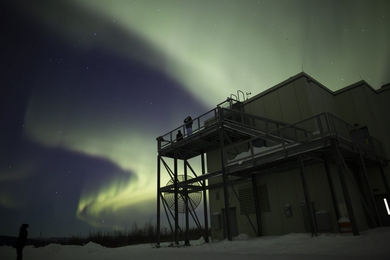
Student-led expeditions use distributed instruments to observe auroral structures and probe space plasma in real-world conditions.