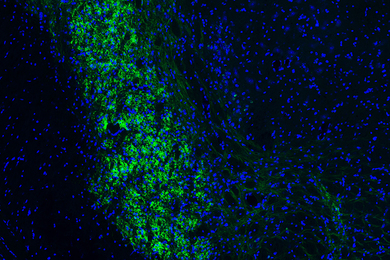
The brain’s internal ruler
A simple brain circuit measures objects’ distance from the body using touch signals from a rodent’s whiskers, MIT scientists find.
A simple brain circuit measures objects’ distance from the body using touch signals from a rodent’s whiskers, MIT scientists find.

A USAF cadet and a Lincoln Laboratory researcher found AI chatbots can help nontechnical service members produce viable software applications for their unique problems.
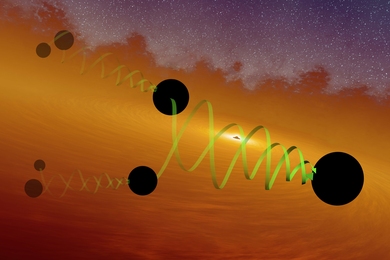
Physicists have found signs of colliding black holes that are themselves products of previous black hole smash-ups.

A team led by MIT Energy Initiative researchers developed the HyCAT tool, enabling decision-makers to explore the cost and carbon emissions of their options for shipping hydrogen fuel to their site.
New research could help prevent the formation of tiny seeds of lithium metal within the electrolyte, enabling batteries that charge faster and last longer.
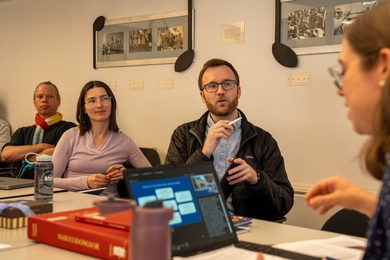
The SHASS Faculty Fellows Program, administered by the MIT Human Insight Collaborative, is fostering new research projects and creating space for supportive and interdisciplinary discussion.
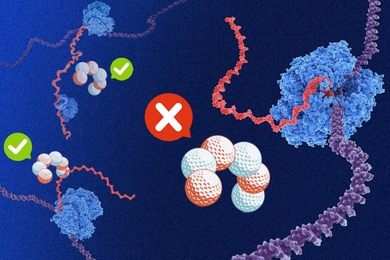
In certain species of bacteria, the answer lies in shielding RNA transcripts from a quality-control factor called Rho. Understanding the requirements for expressible sequences is critical for expression engineering of therapeutic agents.
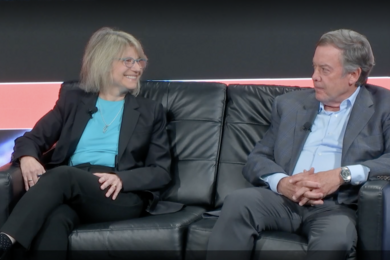
During a "Washington Post Live" panel discussion with ASU President Michael Crow, President Sally Kornbluth explored how universities are preparing the next generation of scientists to lead in America’s rapidly changing technological landscape.
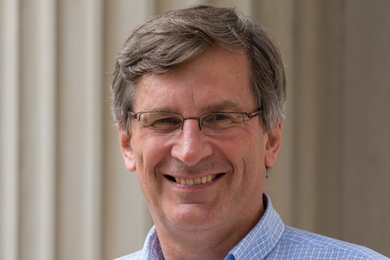
Wyslouch remains the director of the Bates Research and Engineering Center and will continue research on heavy ion collisions.
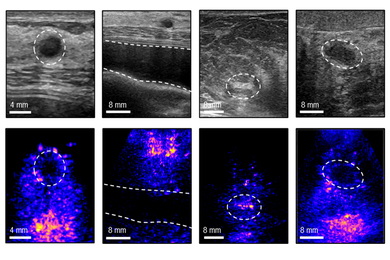
The new technology, which generates high-resolution, 3D images of breast tissue, requires no expertise to operate and could be used at home.

An extensive study of U.S. cities identifies walkable neighborhoods, urban greenery, and access to amenities as key contributors to residents’ health.
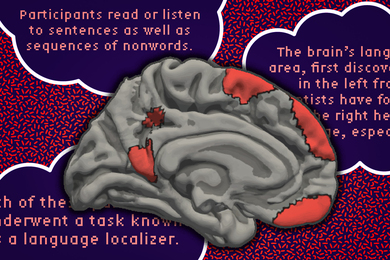
A new study reveals that parts of the brain located far from the canonical language-processing centers are also involved in language comprehension.
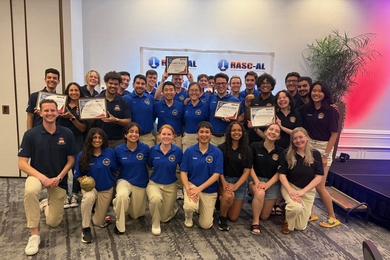
Three MIT teams took five top awards in the 2026 NASA RASC-AL Competition for designing critical elements for the moon base and future missions to Mars.
The FUTUR-IC research program integrates electronics and photonics in microchip systems.

Using modern tools, they also determined that carbon tetrachloride, used as a dry-cleaning and degreasing agent as early as the 1930s, was at the root of early ozone loss.