
A new understanding of how enzymes influence bacterial protein production
Novel research expands scientific understanding of how RNA shapes the reading of genetic information.
Novel research expands scientific understanding of how RNA shapes the reading of genetic information.
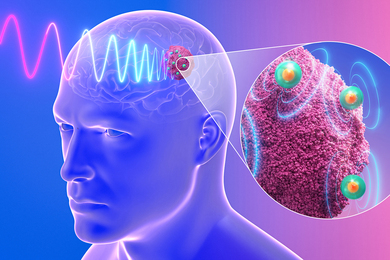
MIT researchers show implanted nanoantennas can be activated wirelessly to kill brain cancer cells without damage to healthy tissue.
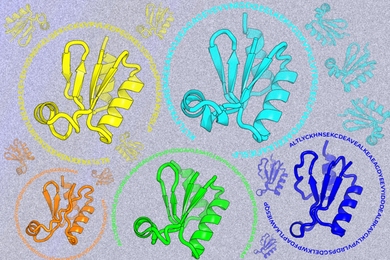
A new machine-learning framework aims to improve the success rate of computational protein design while moving away from results that reproduce sequences found in nature.
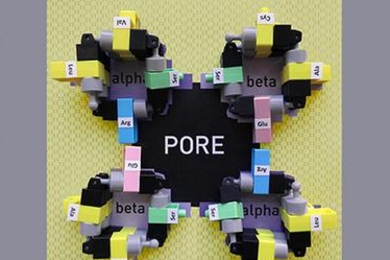
Using a modular kit, the MIT Edgerton Center is bringing a hands-on biology curriculum to Massachusetts’ second-largest school district.

Researchers can now use custom-built microscopy and nanotechnology to tag and follow the activity of individual proteins in real-time.
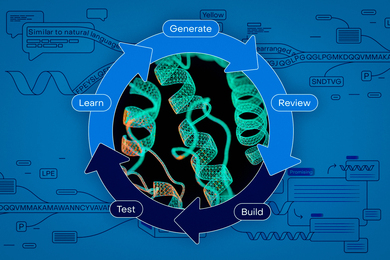
Founded by Tristan Bepler PhD ’20 and former MIT professor Tim Lu PhD ’07, OpenProtein.AI offers researchers open-source models and other tools for protein engineering.
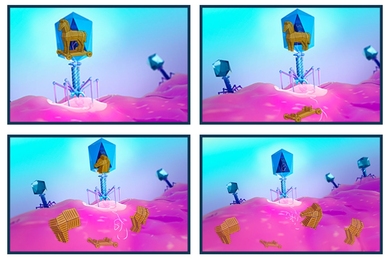
SNIPE, a newly characterized biological defense system, directly protects bacteria by chopping up invading viral DNA.

Researchers uncovered how cells selectively destroy certain microRNAs — key gene regulators — through a mechanism that requires two RNA signals working together.

Computational biologist Sergei Kotelnikov is working to develop new methods in protein modeling as part of the School of Science Dean’s Postdoctoral Fellowship.
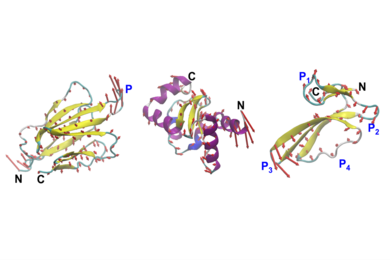
An AI model generates novel proteins based on how they vibrate and move, opening new possibilities for dynamic biomaterials and adaptive therapeutics.
The method allows researchers to observe biomolecular complexes in a quick, accurate, and budget-friendly way, providing new insights into bacterial protein synthesis.

Researchers uncover a hidden mechanism that allows cancer to develop aggressive mutations.
Tracking how fruit fly motor neurons edit their RNA, neurobiologists cataloged hundreds of target sites and varying editing rates, finding many edits altered communication- and function-related proteins.
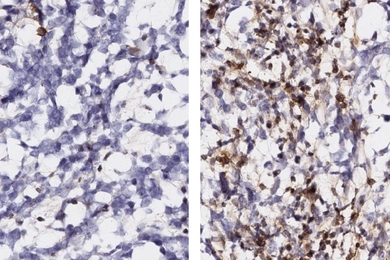
A study profiling antigens presented on immune and tumor cells in co-culture points to new strategies for attacking a treatment-resistant and deadly brain cancer.

New findings may help researchers identify genetic mutations that contribute to rare diseases, by studying when and how single genes produce multiple versions of proteins.