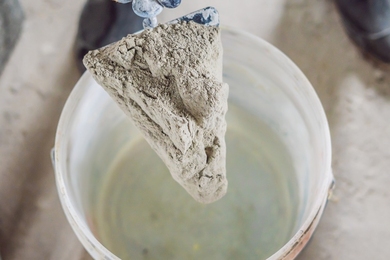
Q&A: More-sustainable concrete with machine learning
MIT-IBM Watson AI Lab researchers aim to design concrete mixtures that use AI to shrink environmental footprint and cost, while recycling byproducts and increasing performance.
MIT-IBM Watson AI Lab researchers aim to design concrete mixtures that use AI to shrink environmental footprint and cost, while recycling byproducts and increasing performance.

New analysis could help identify optimal materials for the crisscrossing struts that bolster bridges, towers, and buildings.
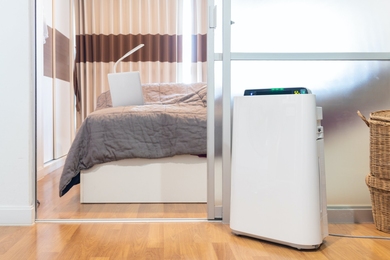
Comparison of four oxidation-based cleaners suggests the devices produce their own pollutants and vary in effectiveness.
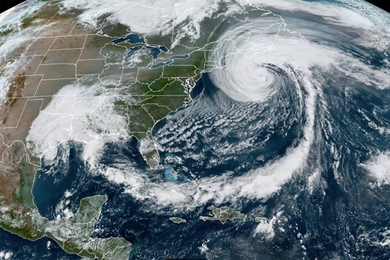
Modeling tool showcases emerging MIT Joint Program research focus on multi-sector dynamics.
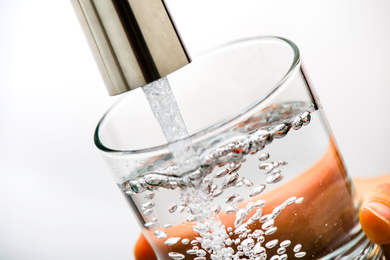
Engineers have designed a relatively low-cost, energy-efficient approach to treating water contaminated with heavy metals.
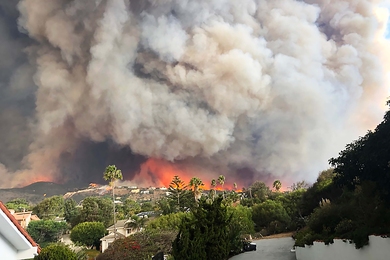
The researchers hope scientists and regulators will consider a broader class of compounds in evaluating cancer risk due to PAH exposure.
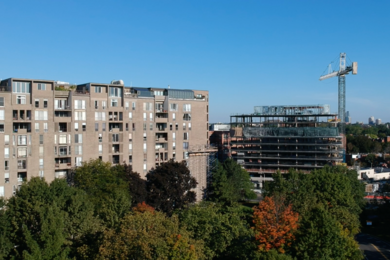
MIT researchers have analyzed greenhouse gas emissions from future buildings across America and outlined region-specific solutions.
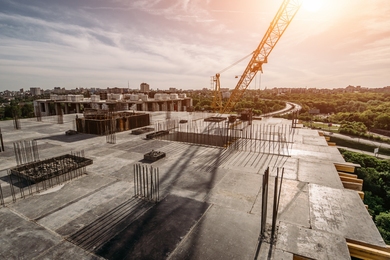
MIT researchers find emissions of U.S. buildings and pavements can be reduced by around 50 percent even as concrete use increases.
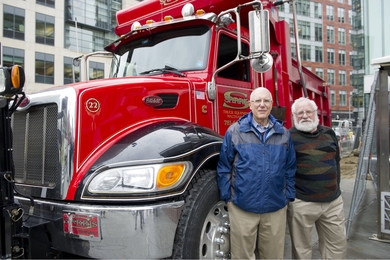
MIT researchers propose a gasoline-ethanol engine that is cleaner and more cost-effective than existing diesel engine technologies to help meet vehicle emission reduction goals.
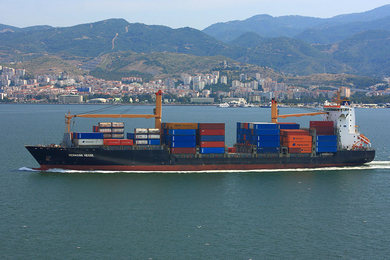
Study shows a need to identify domestic and international pollution sources in policy design.
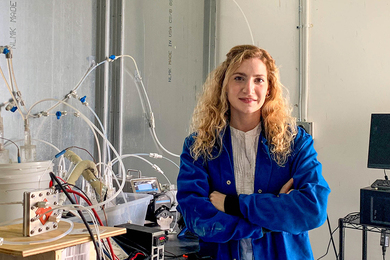
MIT team produces practical guidelines for generating hydrogen using scrap aluminum.
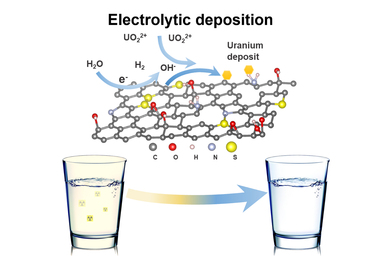
MIT-led research team fashions graphene foam into device that can extract uranium and other heavy metals from tap water.
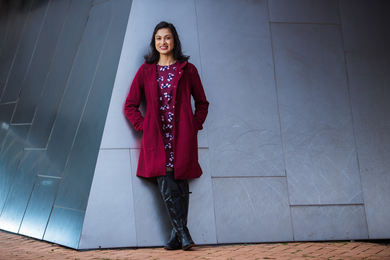
A passion for biomaterials inspires PhD candidate Eesha Khare to tackle climate change.
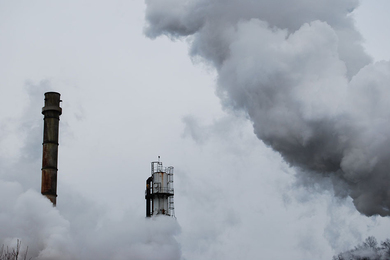
A new study describes why, in the sector where emissions are hardest to cut, carbon capture could be the sharpest knife.
Fiore brings a breadth of expertise in climate science, atmospheric chemistry, and air pollution to MIT.