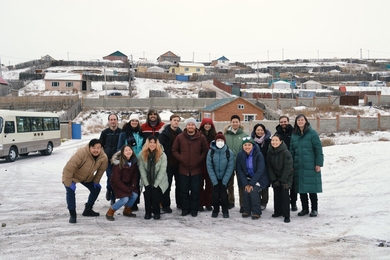
Powering the future in Mongolia
Through coursework, intercollegiate collaboration, and a site visit, MIT students fuse engineering and anthropology to propose innovative energy solutions.
Through coursework, intercollegiate collaboration, and a site visit, MIT students fuse engineering and anthropology to propose innovative energy solutions.
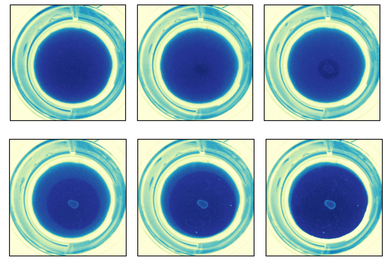
MIT researchers work to discover biodegradable polyesters, with support from the MIT Climate and Sustainability Consortium, J-WAFS, and DIC Corp.
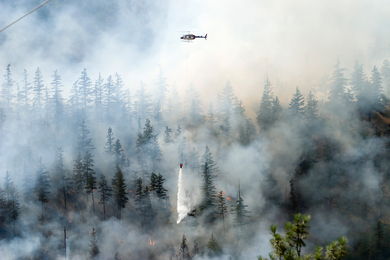
As Canada’s wildfires continue to be felt downwind, MIT experts weigh in on what to expect in the coming months, with wildfire season underway.

A variety of recent events highlighted efforts by faculty, staff, and students to make a difference today.
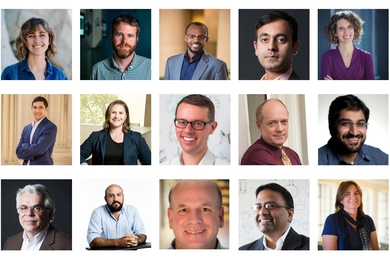
Fifteen principal investigators from across MIT will conduct early work to solve issues ranging from water contamination to aquaculture monitoring and management.
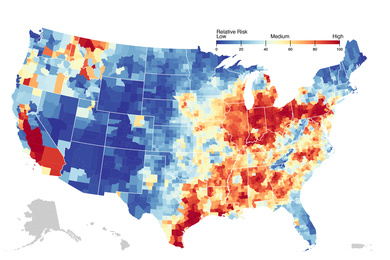
A new computational tool empowers decision-makers to target interventions.
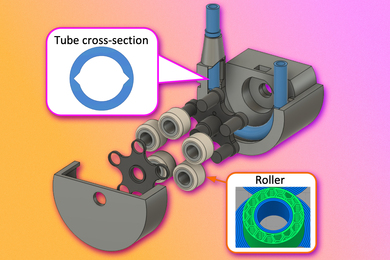
The device would be a key component of a portable mass spectrometer that could help monitor pollutants, perform medical diagnoses in remote areas, or test Martian soil.
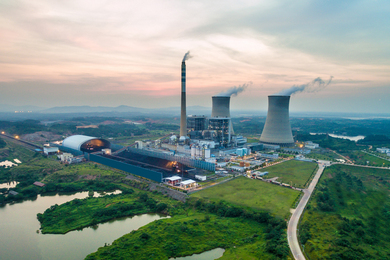
If reactors are retired, polluting energy sources that fill the gap could cause more than 5,000 premature deaths, researchers estimate.

The national award from the Knight Science Journalism Program at MIT recognizes The Charlotte Observer and the Raleigh News & Observer for their series, “Big Poultry.”

MIT students research effects of climate change on forests and sulfur dioxide emissions as a model for planet-wide events.
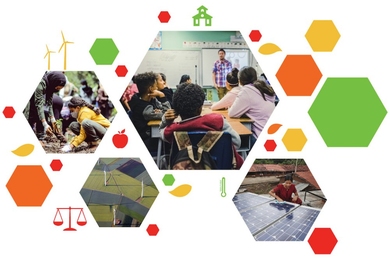
A multidisciplinary climate change curriculum for high schools, developed at MIT, aims to engage and mobilize teachers and students.

Assistant professor of nuclear science and engineering Haruko Wainwright believes environmental monitoring can empower citizens to make informed decisions about their energy and environment.
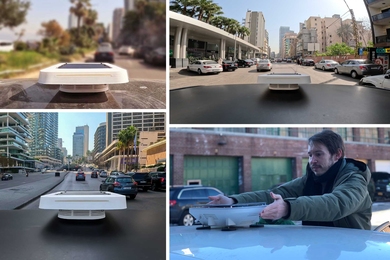
Open-source tool from MIT’s Senseable City Lab lets people check air quality, cheaply.
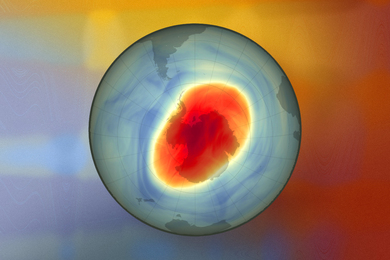
MIT chemists show the Australian wildfires widened the ozone hole by 10 percent in 2020.

New modeling tool enables rapid design of effective and equitable policy combinations.