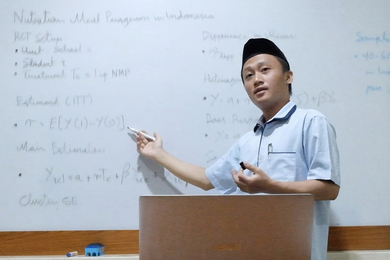
“MIT Open Learning has opened doors I never imagined possible”
Munip Utama applies knowledge from the MITx MicroMasters Program in Data, Economics, and Design of Policy to his efforts supporting students in Indonesia.
Munip Utama applies knowledge from the MITx MicroMasters Program in Data, Economics, and Design of Policy to his efforts supporting students in Indonesia.
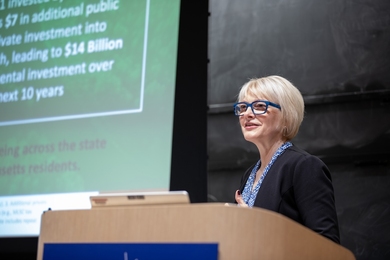
Massachusetts Clean Energy Center CEO MBA ’12 Emily Reichert highlights the state government’s unique approach to fostering and keeping clean energy innovation.

MIT community members made headlines with key research advances and their efforts to tackle pressing challenges.
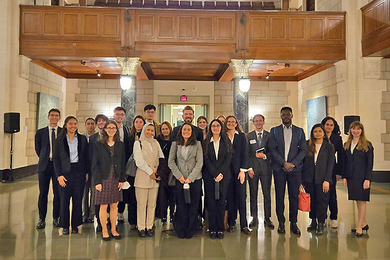
Students and postdocs traveled to Washington to learn about federal science and technology policymaking.

In a conversation with Rep. Jake Auchincloss, Bhattacharya focused on the agency’s policy goals and funding practices.

A study by MIT researchers illuminates choices about reliability, cost, and emissions.

Macro, a modeling tool developed by the MIT Energy Initiative, enables energy-system planners to explore options for developing infrastructure to support decarbonized, reliable, and low-cost power grids.
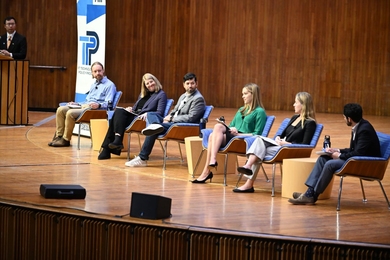
The MIT Technology and Policy Program marked 50 years with a symposium exploring its history of education, research, and impact — while looking ahead to technology policy issues of the future.
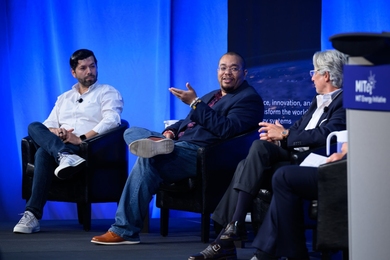
Industry leaders agree collaboration is key to advancing critical technologies.
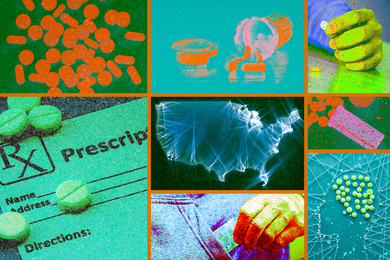
The findings point to state policies involving the presence of “pill mills” as influences on addiction over time.
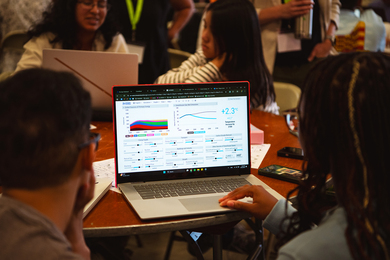
Incoming students tested the climate simulation tool En-ROADS with the goal of creating “a healthier, safer, more prosperous, and more sustainable world.”
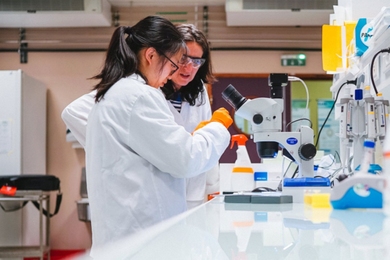
Launched in 2008, the program has expanded exponentially and spent $30 million on high-impact research.
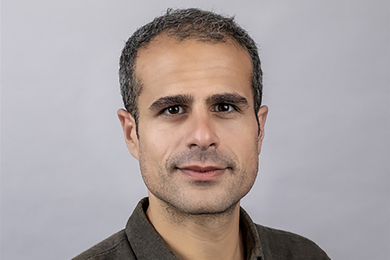
An algorithm can change the face of food assistance policy in the Global South, says MIT assistant professor and J-WAFS researcher Ali Aouad.

Mihaela Papa discusses the BRICS Lab, her role at the Center for International Studies, and the center's ongoing ambition to tackle the world's most complex challenges in new and creative ways.

A new study finds over half the drugs approved this century cite government-funded research in their patents.