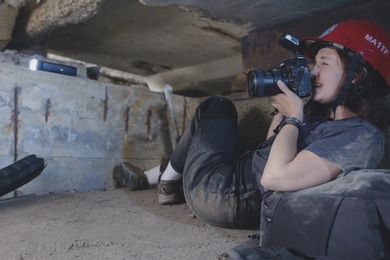
Featured video: Behind the lens at Lincoln Laboratory
Staff photographer Niki Fandel captures the people and technology advancing Lincoln Laboratory’s national security mission.
Staff photographer Niki Fandel captures the people and technology advancing Lincoln Laboratory’s national security mission.
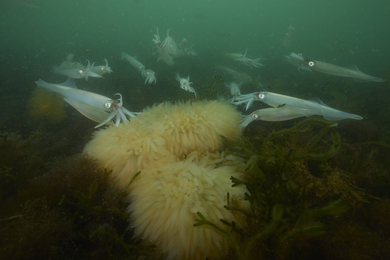
MIT Sea Grant resident artist and acclaimed underwater photographer Keith Ellenbogen captures an intimate look at courtship and communication in a hidden spawning spectacle off Cape Cod.
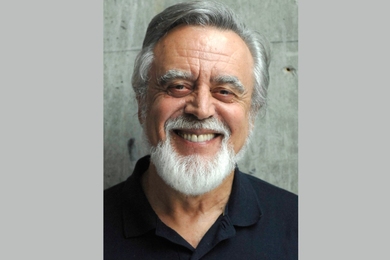
Known for his clear and elegant writing style, Bertsekas shaped fields from control and optimization to large-scale computation and artificial intelligence.
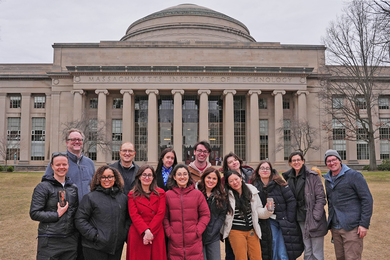
Students developed and pitched local climate stories, then worked with visual journalists from the AP over an intensive four-day weekend.

The LOBSTgER research initiative at MIT Sea Grant explores how generative AI can expand scientific storytelling by building on field-based photographic data.

Felice Frankel discusses the implications of generative AI when communicating science visually.
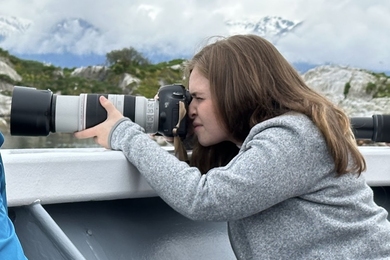
Sophie Hartley wants to help people learn about the importance of natural resources and land management through science writing.

Brian Mernoff of the Department of Aeronautics and Astronautics offers best practices to get the most out of your eclipse experience.
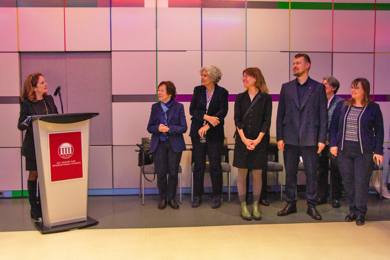
Ukrainian researchers and faculty will spend a semester at MIT during the two-year pilot program.
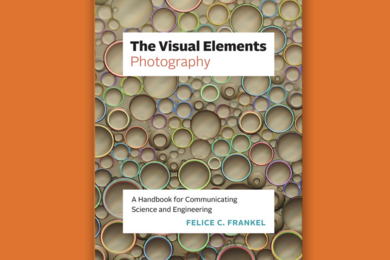
With her new book, photographer Felice Frankel hopes to make scientists and engineers better visual communicators.

Evan Kramer’s latest foray into urban astrophotography puts the focus on his fellow researchers.

In the late '60s, young Boston artists began polishing their craft in MIT's Roxbury Photographers Training Program, the subject of a new exhibition at the MIT Museum.

At a recent MIT Edgerton Center event, Professor J. Kim Vandiver shared the story of his mentor, a beloved educator at the Institute.
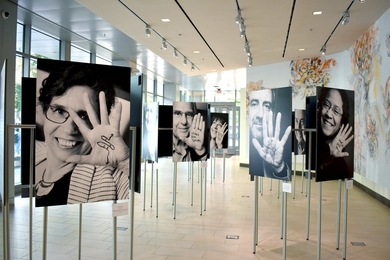
Exhibit at MIT's Koch Institute attempts to make visible the luminary personalities behind major scientific and engineering advances.

MIT researchers create KineCAM, an instant camera that yields images that appear to move.