
One scientist’s journey from the Middle East to MIT
Through his leadership and vision, McGovern Institute postdoc Ubadah Sabbagh aims to improve the scientific process in the US and abroad.
Through his leadership and vision, McGovern Institute postdoc Ubadah Sabbagh aims to improve the scientific process in the US and abroad.
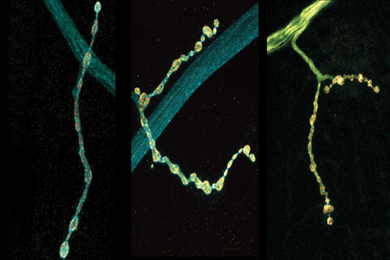
Neurons stochastically generated up to eight different versions of a protein-regulating neurotransmitter release, which could vary how they communicate with other cells.
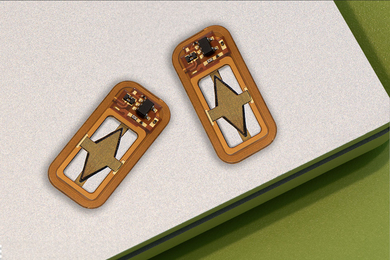
The device contains encapsulated cells that produce insulin, plus a tiny oxygen-producing factory that keeps the cells healthy.

In a simple game that humans typically ace, mice learn the winning strategy, too, but refuse to commit to it, new research shows.

Although computer scientists may initially treat data bias and error as a nuisance, researchers argue it’s a hidden treasure trove for reflecting societal values.
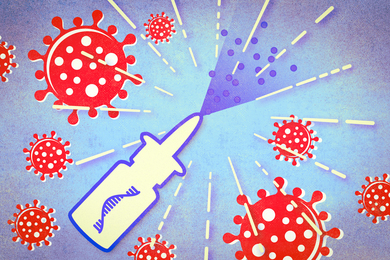
The new approach could lead to intranasal vaccines for Covid-19 and other respiratory diseases.
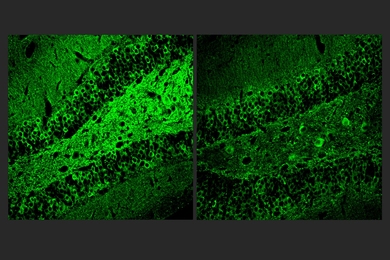
A potential new Alzheimer’s drug represses the harmful inflammatory response of the brain’s immune cells, reducing disease pathology, preserving neurons, and improving cognition in preclinical tests.
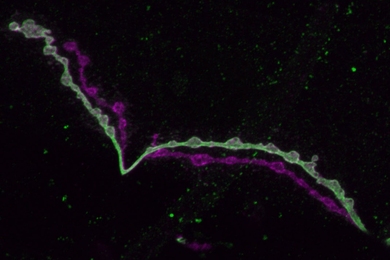
Researchers compared a pair of superficially similar motor neurons in fruit flies to examine how their differing use of the same genome produced distinctions in form and function.
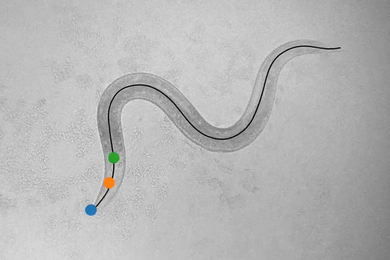
MIT researchers model and create an atlas for how neurons of the worm C. elegans encode its behaviors, make findings available on their “WormWideWeb.”

A new study bridging neuroscience and machine learning offers insights into the potential role of astrocytes in the human brain.
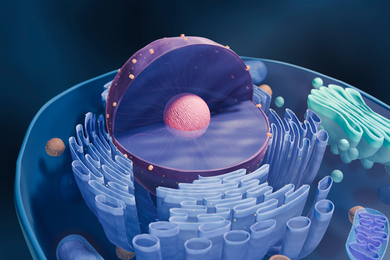
A single protein can self-assemble to build the scaffold for a biomolecular condensate that makes up a key nucleolar compartment.
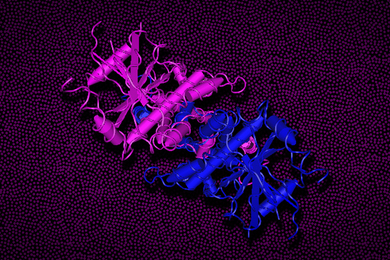
In addition to turning on genes involved in cell defense, the STING protein also acts as an ion channel, allowing it to control a wide variety of immune responses.
Distinctive EEG patterns indicate when a patient’s state of unconsciousness under general anesthesia is more profound than necessary.
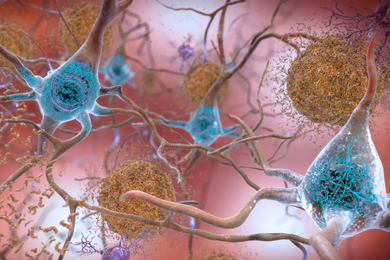
A new study shows that truncated versions of the Tau protein are more likely to form the sticky filaments seen in the brains of people with Alzheimer’s disease.
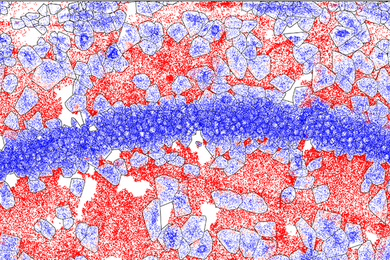
A new technology called RIBOmap can give researchers valuable insight into how protein production in animal and human tissue is altered in disease.