
Sprint then stop? The brain is wired for the math to make it happen
To ensure a quick halt, brain circuit architecture avoids a slow process of integration in favor of quicker differentiation, study finds.
To ensure a quick halt, brain circuit architecture avoids a slow process of integration in favor of quicker differentiation, study finds.
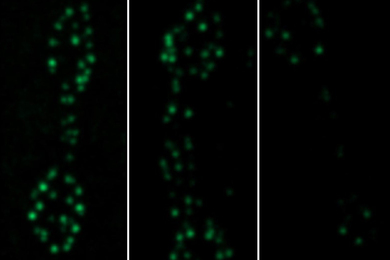
Nerve cells regulate and routinely refresh the collection of calcium channels that enable them to send messages across circuit connections.

International award supports early-career scientists and engineers as they pursue interdisciplinary works.
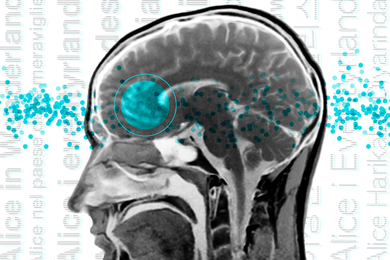
Studying speakers of 45 languages, neuroscientists found similar patterns of brain activation and language selectivity.
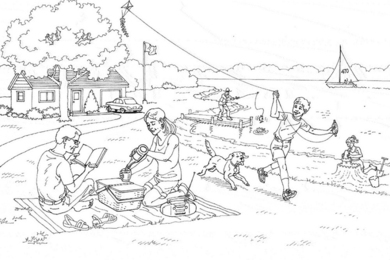
A team of cognitive scientists and doctors finds that patients with aphasia use different cognitive tools to compensate for language deficits.

A new computational model could explain differences in recognizing facial emotions.
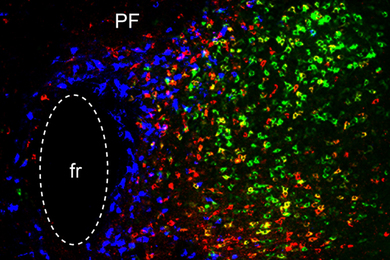
Targeting these circuits could offer a new way to reverse motor dysfunction and depression in Parkinson’s patients.
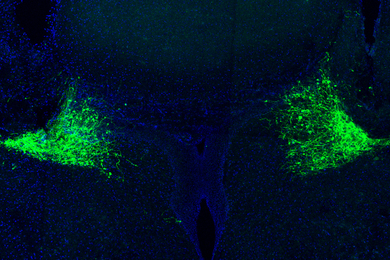
Unexpected outcomes trigger release of noradrenaline, which helps the brain focus its attention and learn from the event.
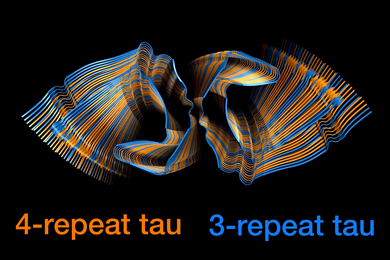
Two types of tau proteins mix together in a nearly random way to generate the tangles seen in the brains of Alzheimer’s patients.
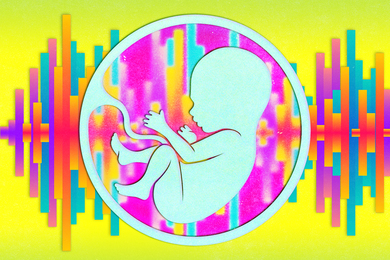
Modeling study suggests that the muffled environment in utero primes the brain’s ability to interpret some types of sound.
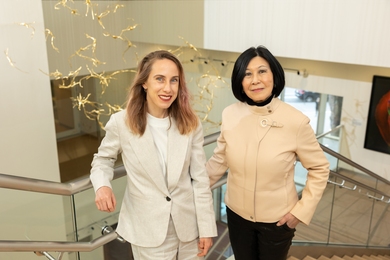
K. Lisa Yang Brain-Body Center to investigate the brain’s complex relationship with other body systems.
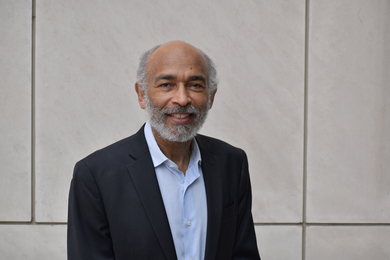
Brown and three other scientists recognized for advancing statistical, theoretical analyses of neuroscience data.
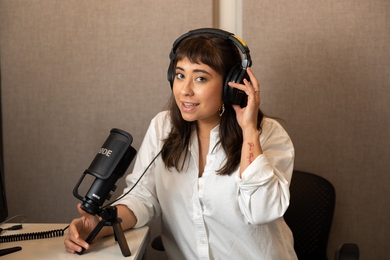
Postbac Jessica Chomik-Morales hopes to inspire the next generation of Spanish-speaking scientists with her podcast, “Mi Ultima Neurona.”
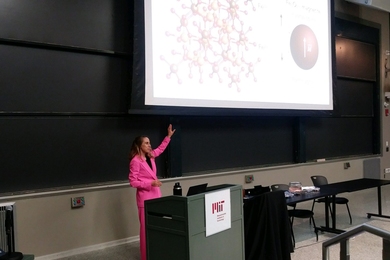
Professor Polina Anikeeva’s innovation in the treatment of neurological disorders highlights the interdisciplinary nature of her field.
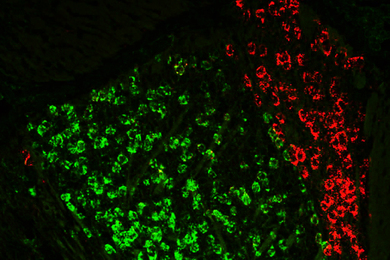
This circuit, which weakens with age, could offer a target to help prevent age-related decline in spatial memory.