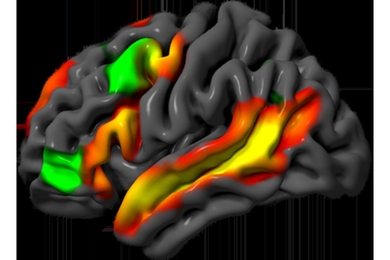
Separating logic and language
Neuroscientists find logical reasoning does not involve language-processing parts of the brain.
Neuroscientists find logical reasoning does not involve language-processing parts of the brain.
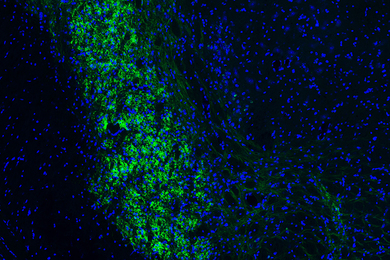
A simple brain circuit measures objects’ distance from the body using touch signals from a rodent’s whiskers, MIT scientists find.
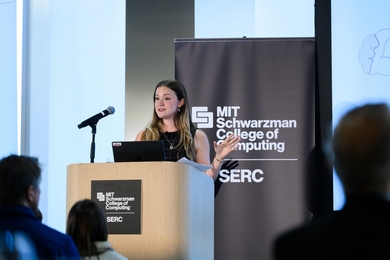
PhD student Rachel Sava, winner of the Envisioning the Future of Computing Prize, explores transformative improvements and dystopian risks of neural technology.
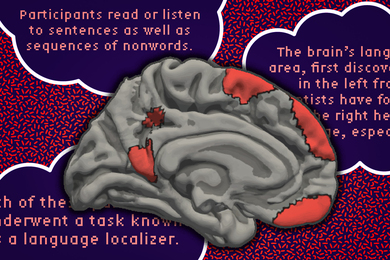
A new study reveals that parts of the brain located far from the canonical language-processing centers are also involved in language comprehension.
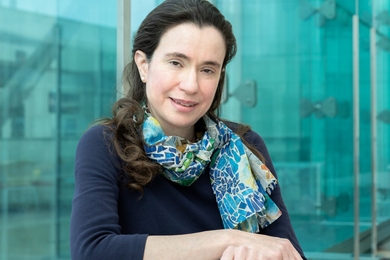
Heiman, who studies neurodegenerative diseases such as Huntington’s and Parkinson’s, will lead the institute beginning July 1.
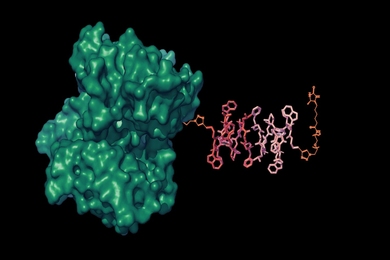
New MRI sensors developed at MIT sensitively detect target molecules in the brain and body.
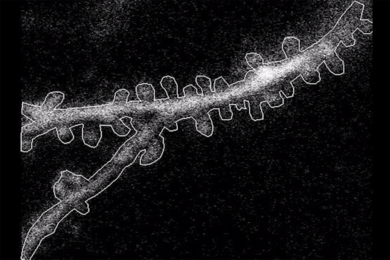
Brain cells take in many signals through thousands of circuit connections. A new study discerns the rules that turn inputs into a functional arrangement for neurons that process vision.

Computational neuroscientist Sven Dorkenwald and cell biologist Whitney Henry, along with two MIT alumni, are recognized for their exceptional early-career research contributions.
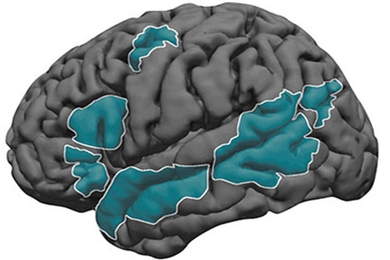
The brain’s language network is still evolving in adolescence. But by age 4, language processing is already handled by the left side of the brain, new research finds.
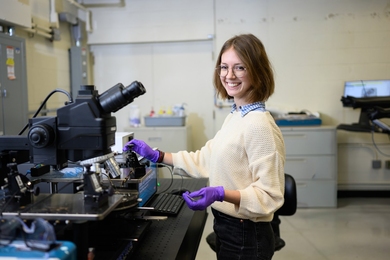
Camille Cunin PhD ’26 is transforming rigid circuitry into stretchable, signal-amplifying devices built for real-world biomedical use.

Researchers propose a challenge to the traditional view of how the brain uses its ability to categorize.

Nearly 100 MIT students participate in a buddy program that assists Boston-area residents.
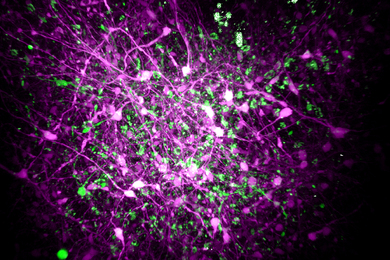
Using advanced human cell cultures, MIT researchers tracked how two different mutations alter neural circuit development, and how each could be addressed with distinct potential therapeutics.

Founded by Jake Donoghue PhD ’19 and former MIT researcher Jarrett Revels, the company is creating an AI-driven platform to help diagnose and treat disease.
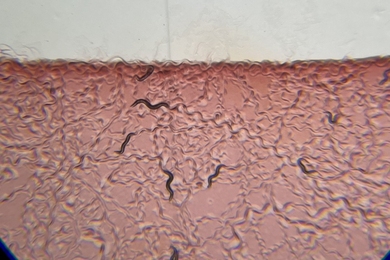
Neural interaction with bacteria has important effects on animal brains. A new study investigates how neurons sense bacteria by revealing, in nematodes, the bacterial signals that a key neuron detects.