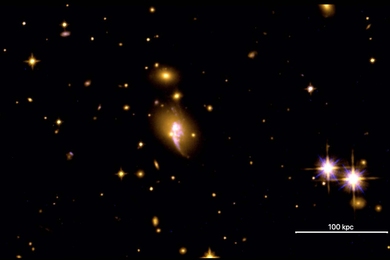
MIT astronomers discover new galaxy clusters hiding in plain sight
Lesson learned from the CHiPS survey must inform future cluster searches, researchers say.
Lesson learned from the CHiPS survey must inform future cluster searches, researchers say.
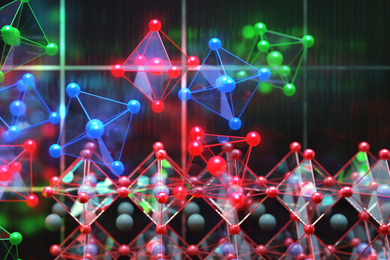
Reducing internal losses could pave the way to low-cost perovskite-based photovoltaics that match silicon cells’ output.
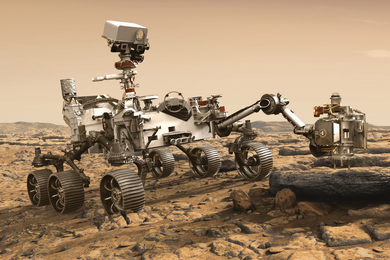
Following touchdown, MOXIE will brew up oxygen while geologists comb for sediments to sample.
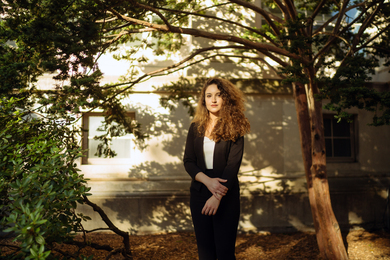
Maya Nasr’s work on the Mars 2020 mission has led her to become an advocate for expanding international cooperation in space.

Inspired by decades-old MIT research, the new technology could boost quantum computers and other superconducting electronics.
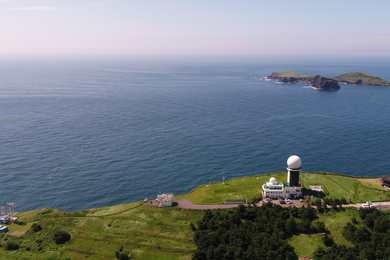
Scientists observe reduction in emissions of banned ozone-depleting chemical after unexpected spike.
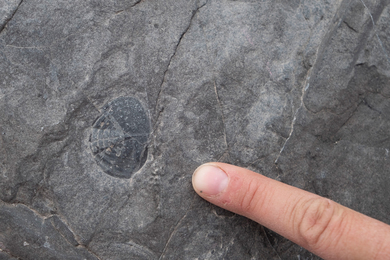
The record shows ancient temperature variations coinciding with shifts in the planet’s biodiversity.
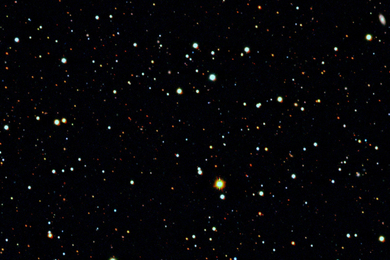
Findings suggest the first galaxies in the universe were more massive than previously thought.
Results significantly narrow the range of possible places to find the hypothetical dark matter particles.
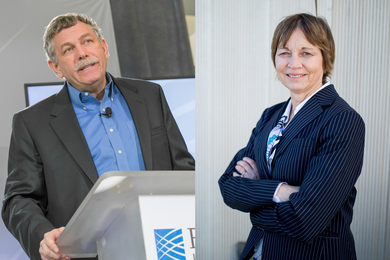
Lander to take a leave of absence to assume Cabinet-level post; Zuber to co-chair presidential advisory council.
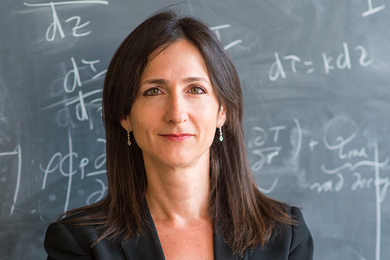
Pioneer in exoplanet research helped transform the burgeoning field into one of the fastest-growing and most exciting in space science.
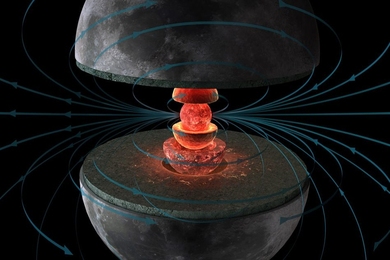
Simulations rule out plasmas caused by meteoroid impacts as the source of lunar magnetism, supporting the proposal that the ancient moon generated a core dynamo.
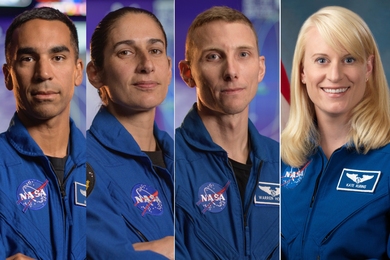
Artemis program will focus on returning humans to the moon.
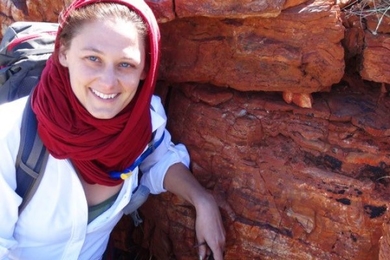
As part of NASA’s Mars 2020 mission, Professor Tanja Bosak helps determine the best samples to bring home for clues about life 4 billion years ago.
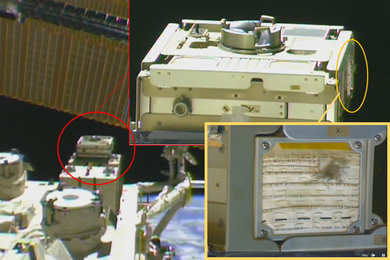
Fabric samples are headed to the International Space Station for resiliency testing; possible applications include cosmic dust detectors or spacesuit smart skins.