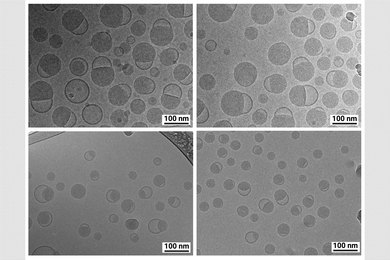
A new technique could accelerate the development of RNA therapies
MIT chemical engineers found a way to rapidly produce lipid nanoparticles of varying sizes, which could make it easier to develop new vaccines and therapeutics.
MIT chemical engineers found a way to rapidly produce lipid nanoparticles of varying sizes, which could make it easier to develop new vaccines and therapeutics.

A new device uses reconfigurable motion to mimic the firing behavior of a neuron, which could lead to more efficient computing.

MIT researchers show implanted nanoantennas can be activated wirelessly to kill brain cancer cells without damage to healthy tissue.
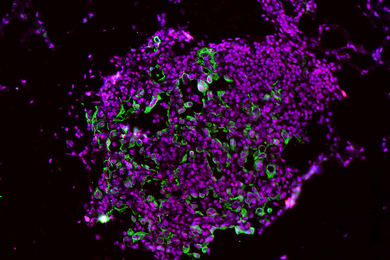
A new study by MIT researchers shows that inhibiting caspase-1 can reduce the risk of tumor growth.
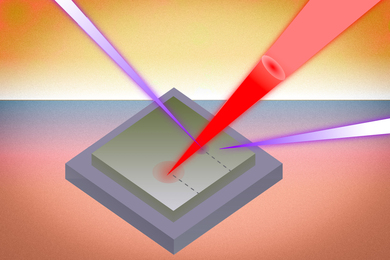
MIT researchers can now precisely measure how heat moves through multilayered materials like computer chips.
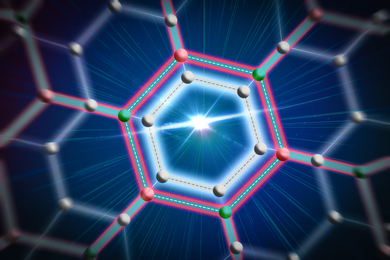
A new technique produces wafer-scale samples, overcoming a major roadblock to using these materials in quantum technologies.
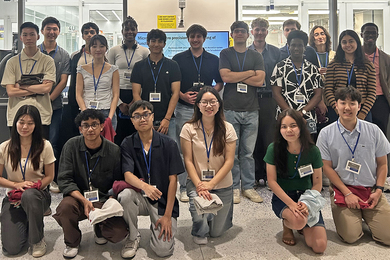
The 2026 NEMC Hub-sponsored externship gave students access to world-class research, advanced semiconductor manufacturing, and professionals driving innovation across the Northeast.

A new fabrication platform integrates molecules into electronic devices, opening the door to emerging computing technologies.
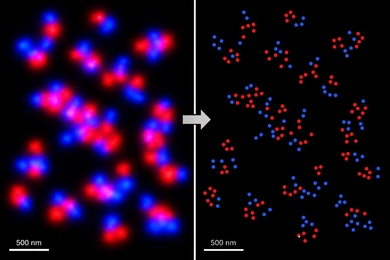
New U-STORM imaging technology lets scientists view molecular structures in subatomic detail — about 1,000 times clearer than traditional dyes — while making the microscope process much simpler.

The tunable device controls mid-infrared light for more precise thermal imaging, chemical sensing, or pollution monitoring.
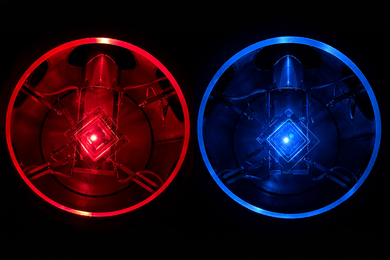
Researchers found a simple solution for extending the lifespans of LEDs made from glowing microscopic particles called quantum dots.
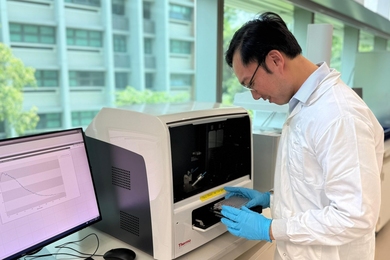
Researchers developed an optical nanosensor to rapidly detect a key gut biomarker, enabling faster, accessible screening.

The MIT physicist shares the honor with two others for foundational research establishing the field of twistronics.

By using a thin layer of diamond to manage excessive heat, researchers can boost the speed and energy-efficiency of next-generation wireless devices.
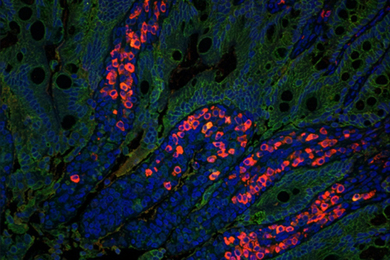
The adjuvant can help the injectable polio vaccine induce a strong immune response in the GI tract, which is considered critical to eradicating the virus.