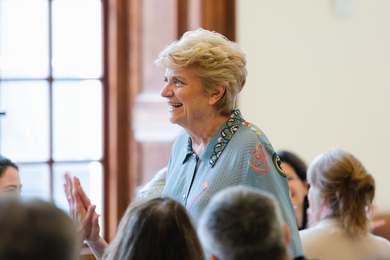
3 Questions: Nancy Hopkins on improving gender equality in academia
Molecular biologist and professor emerita advocates for more inclusive science and advises how to get there.
Molecular biologist and professor emerita advocates for more inclusive science and advises how to get there.
The award supports promising PhD candidates or postdocs conducting interdisciplinary research on the societal and ethical dimensions of computing.
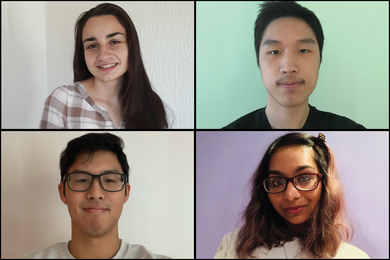
Working remotely this summer, students worked to better understand human intelligence and to advance machine learning applications.
MIT professor announced as award’s first recipient for work in cancer diagnosis and drug synthesis.

MIT researchers reveal inadequacies in current battery models.
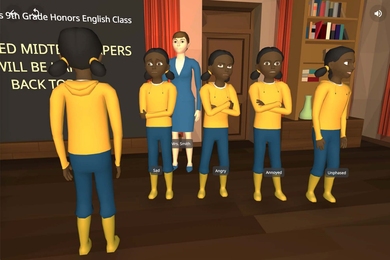
Computational model developed at MIT builds off of 2019 research examining colorblind racial attitudes through a video game.

Undergraduate engineering and computer science programs are No. 1; undergraduate business program is No. 2.

Wireless device captures sleep data without using cameras or body sensors; could aid patients with Parkinson’s disease, epilepsy, or bedsores.

Thirty-one MIT instructors honored for digital teaching excellence in extraordinary circumstances.
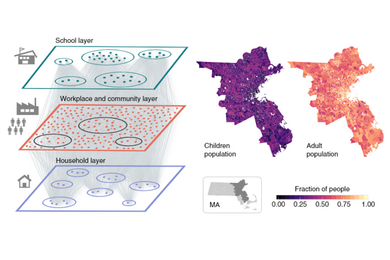
A new model suggests a plan to keep Covid-19 within the capacity of the health-care system while reopening economic activities.
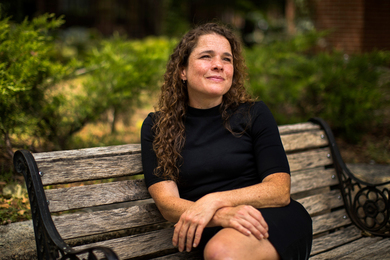
“We hear big data is going to change the world, but I don’t believe it will unless we synthesize it into tools with a public benefit,” she says.

Media Lab researcher Kate Turner explores how critical race theory can influence science — and how science can inform policy — as an IDSS Research to Policy Engagement Initiative Fellow.
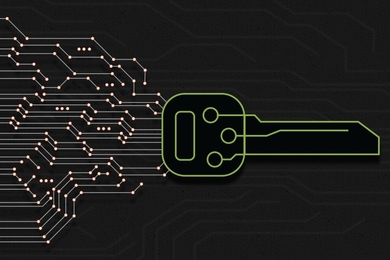
By securely aggregating sensitive data from cyber-attacks, the SCRAM platform from MIT CSAIL can quantify an organization’s level of security and suggest what to prioritize.
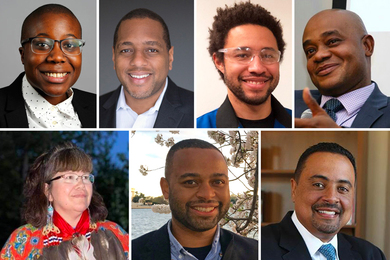
Honorees will engage in the life of the Institute through teaching, research, and other interactions with the MIT community.
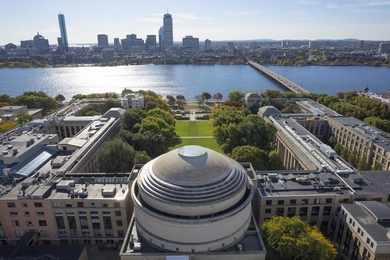
New faculty in these areas will connect the MIT Schwarzman College of Computing and a department or school.