Helping students of all ages flourish in the era of artificial intelligence
Responsible AI for Social Empowerment and Education (RAISE) seeks to empower more people to participate in, and benefit from, AI.
Responsible AI for Social Empowerment and Education (RAISE) seeks to empower more people to participate in, and benefit from, AI.
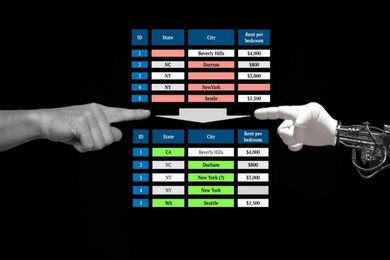
With just 50 lines of code, the program spots and fixes likely errors.
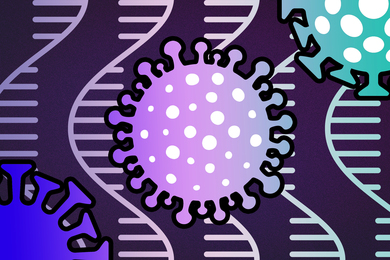
MIT researchers have determined the virus’ protein-coding gene set and analyzed new mutations’ likelihood of helping the virus adapt.
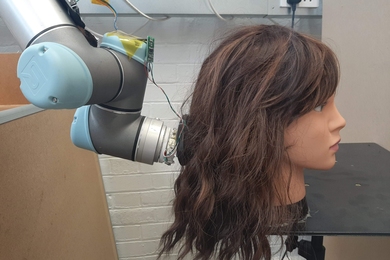
Robotic arm equipped with a hairbrush helps with brushing tasks and could be an asset in assistive-care settings.

On May 6 and 7, researchers from the AI Policy Forum will present their preliminary AI public policy proposals aimed at shaping specific and significant uses of AI in our lives.
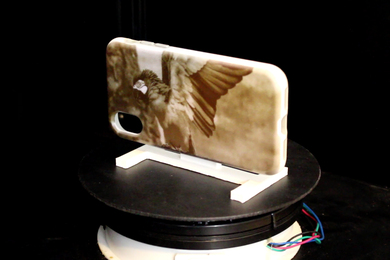
“Programmable matter” technique could enable product designers to churn out prototypes with ease.
SuperUROP scholars apply deep learning to improve accuracy of climate models, profitably match computers in the cloud with customers, and more.

Her research focuses on more-efficient deep neural networks to process video, and more-efficient hardware to run applications.

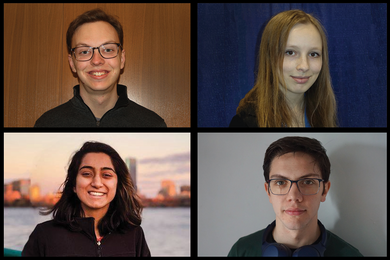
Four MIT undergraduates whose research areas explore artificial intelligence, space, and climate change honored for their academic achievements.
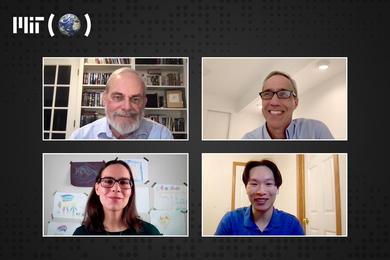
MIT alumni and friends from around the globe attended an online event that featured presentations from Institute leaders, faculty, and alumni about human health-related research.

Black women are more vulnerable than white men, illustrating how race and gender intersect to shape health outcomes.

Future of Data, Trust, and Privacy initiative aims to address AI-driven analytics and changing attitudes about personal data.
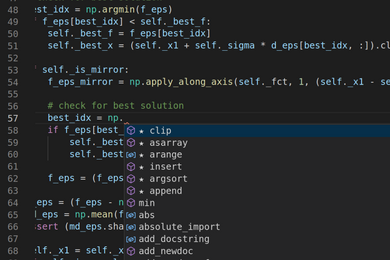
Researchers propose a method for finding and fixing weaknesses in automated programming tools.
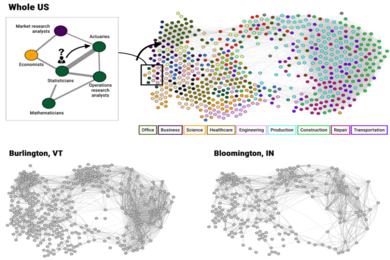
New research offers insight for city planning and workforce development.
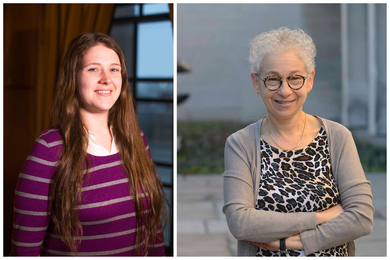
EECS Communication Lab teams up with MIT Libraries to broadcast free “Science Snippets” to the world.