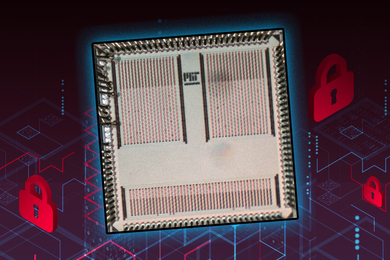
Toward a stronger defense of personal data
Engineers build a lower-energy chip that can prevent hackers from extracting hidden information from a smart device.
Engineers build a lower-energy chip that can prevent hackers from extracting hidden information from a smart device.
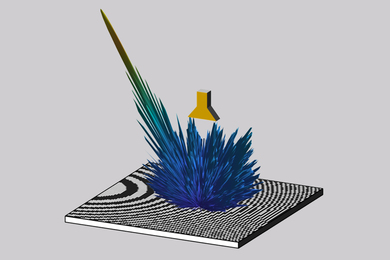
The advance may enable real-time imaging devices that are smaller, cheaper, and more robust than other systems.
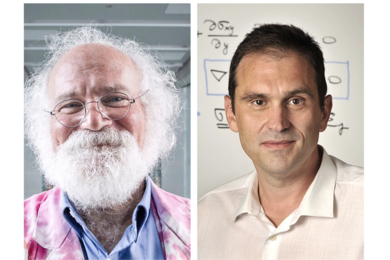
John Cohn and Franz-Josef Ulm, along with 19 additional MIT alumni, are honored for significant contributions to engineering research, practice, and education.

Online course from the MIT Center for Advanced Virtuality seeks to empower students and educators to critically engage with media.
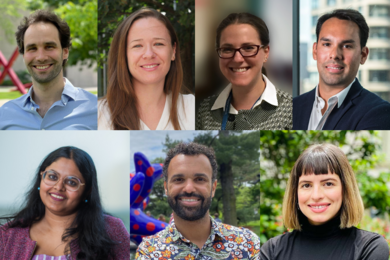
Departments of Biology and Brain and Cognitive Sciences welcome new professors.

With a tensor language prototype, “speed and correctness do not have to compete ... they can go together, hand-in-hand.”
Assistant Professor Marzyeh Ghassemi explores how hidden biases in medical data could compromise artificial intelligence approaches.
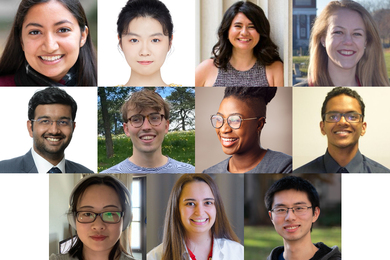
New fellows are working on electronic health record algorithms, remote sensing data related to environmental health, and neural networks for the development of antibiotics.
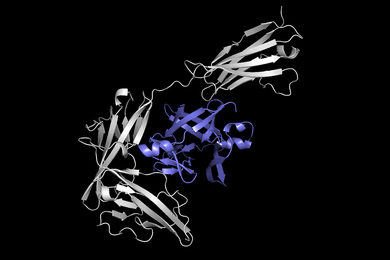
The machine-learning model could help scientists speed the development of new medicines.

MIT Energy Initiative edX course asks students to rethink how we operate power systems.
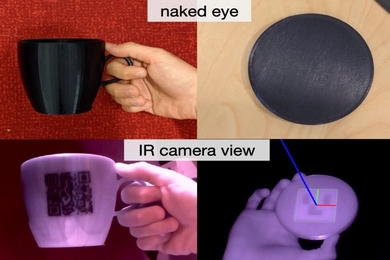
An MIT team develops 3D-printed tags to classify and store data on physical objects.
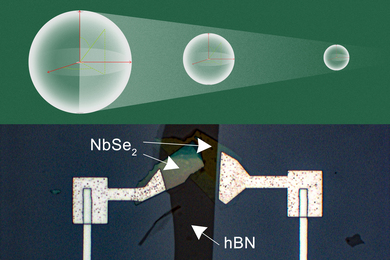
Using ultrathin materials to reduce the size of superconducting qubits may pave the way for personal-sized quantum devices.

A new method automatically describes, in natural language, what the individual components of a neural network do.

MIT scientist Rosalind Picard collaborates with clinicians to develop tools for mental health care delivery.
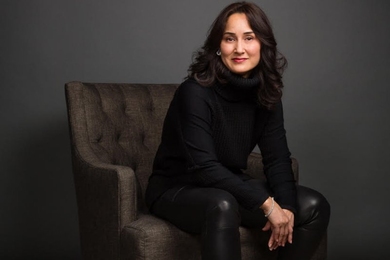
Overseeing business and research units across MIT Open Learning, Breazeal will focus on the future of digital technologies and their applications in education.