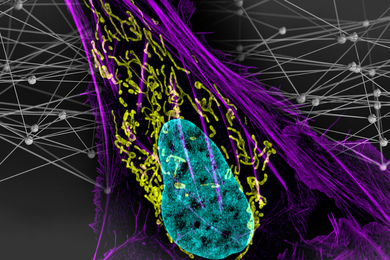
New model helps identify mutations that drive cancer
The system rapidly scans the genome of cancer cells, could help researchers find targets for new drugs.
The system rapidly scans the genome of cancer cells, could help researchers find targets for new drugs.
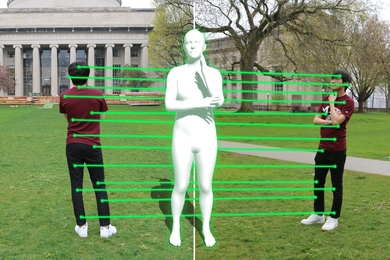
A new technique in computer vision may enhance our three-dimensional understanding of two-dimensional images.

Pinpointing risks can also help businesses save money as they become more resilient.
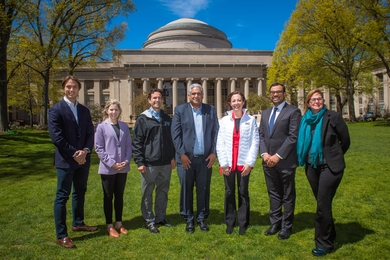
The five-year collaboration aims to accelerate the translation of breakthrough engineering and biology for human health.

Researchers demonstrate two security methods that efficiently protect analog-to-digital converters from powerful attacks that aim to steal user data.

CSAIL scientists’ novel hardware attack against the Apple M1 chip defeats the last line of security while leaving no trace.
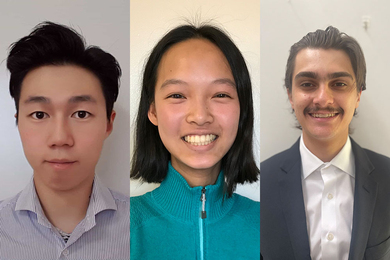
Recent MEng graduates reflect on their application-focused research as affiliates of the MIT-IBM Watson AI Lab.
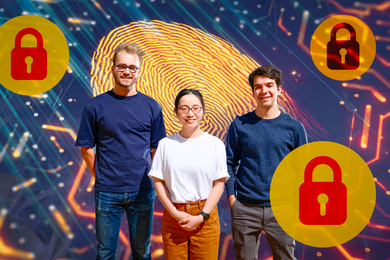
Studying a powerful type of cyberattack, researchers identified a flaw in how it’s been analyzed before, then developed new techniques that stop it in its tracks.
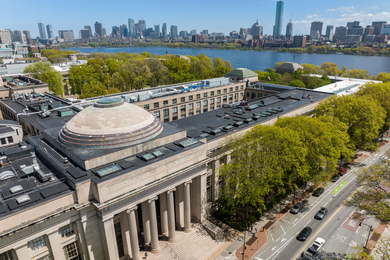
Earning the top spot for the 11th straight year, the Institute also places first in 12 subject areas.
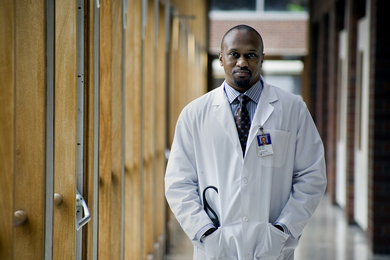
MIT professor will leverage his research into machine learning and computer science, as well as his role as a practicing cardiologist, toward educating clinician-scientists and engineers.

Researchers developed a new system that can make computer programs run faster, while guaranteeing accuracy.

A machine-learning method imagines what a sentence visually looks like, to situate and ground its semantics in the real world, improving translation, like humans can.
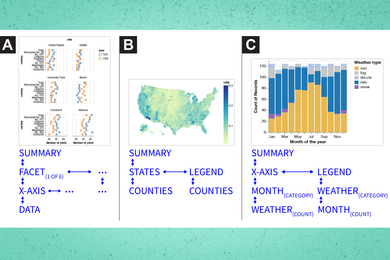
Researchers have created prototypes that enable screen-reader users to quickly and easily navigate through multiple levels of information in an online chart.

Explanation methods that help users determine whether to trust machine-learning model predictions can be less accurate for disadvantaged subgroups, a new study finds.
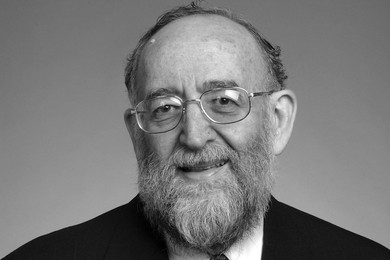
Known as a visionary who brought together faculty from across MIT, Moses pioneered an influential symbolic mathematics program and held many top leadership posts.